Which vs Witch: A Complete Guide to Understanding These Confusing Homophones
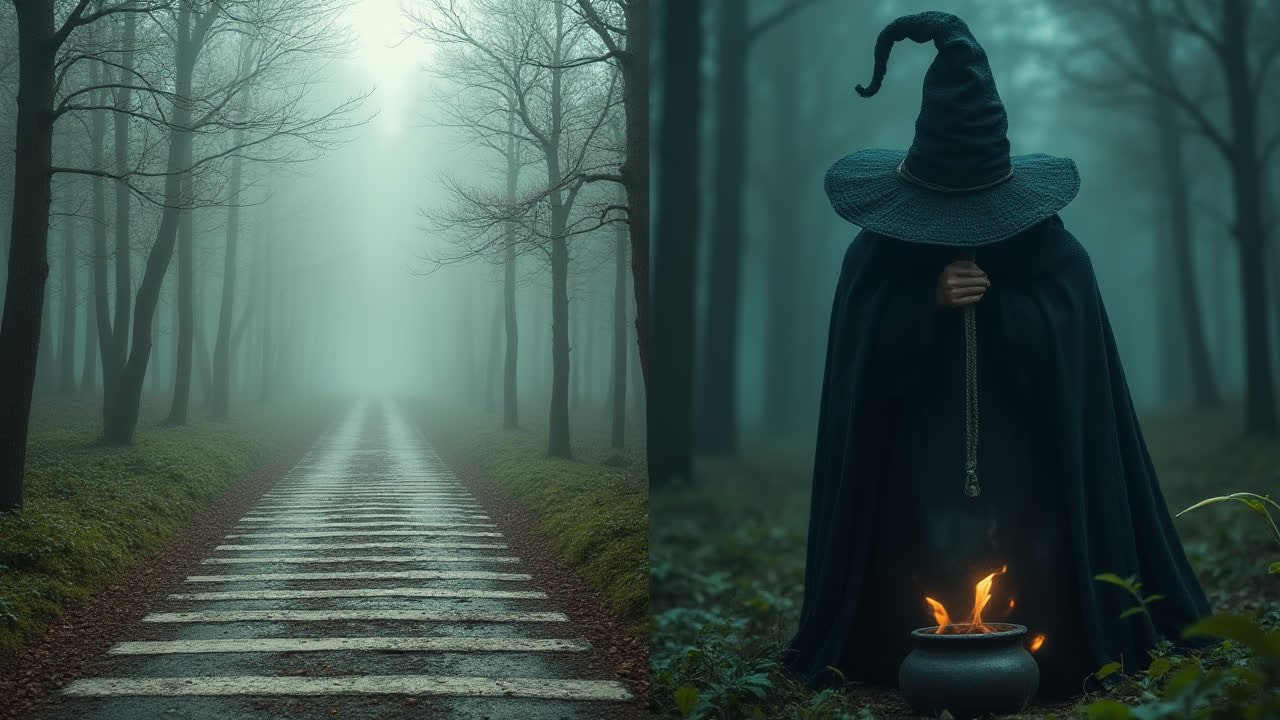
The English language, with all its quirks and complexities, loves to throw us curveballs in the form of homophones. Today, we're diving into one of the most commonly confused pairs: which vs witch. These two words may sound identical when spoken, but their meanings couldn't be more different. Whether you're writing an essay or simply trying to avoid embarrassing typos, understanding the difference between these words is crucial. Have you ever found yourself hesitating over which one to use? Don't worry—by the end of this guide, you'll master both words with confidence.
Before we jump into the nitty-gritty details, let me share a quick story. Last week, I overheard someone asking, "Which witch is which?" at a Halloween party. It made me chuckle, but it also reminded me how confusing these words can be for many people. The truth is, even native English speakers sometimes struggle with homophones, and that's perfectly normal.
What is a Homophone Anyway?
Let's start with the basics here. A homophone is a word that's pronounced the same as another word but has a different meaning and spelling. English is notorious for having tons of these tricky words, like their/there/they're or your/you're. Which and witch are classic examples of this linguistic phenomenon. While they sound identical when spoken aloud, they serve completely different purposes in our sentences.
Understanding "Which" - The Multi-Purpose Question Word
The word which is one of those Swiss Army knife words in English—it has multiple uses and functions. It's super versatile and shows up in our daily conversations more often than we realize. Let's break down its main roles:
As an Interrogative Pronoun
When you're asking a question and need to choose from a limited number of options, which is your go-to word. For example:
- "Which is your favorite color?"
- "Which tastes better, chocolate or vanilla?"
- "Which of these books have you read?"
As an Interrogative Adjective
Sometimes which teams up with nouns to ask questions:
- "Which car did you buy?"
- "Which restaurant should we try tonight?"
- "Which path should we take?"
As a Relative Pronoun
Here's where things get a bit more sophisticated. As a relative pronoun, which introduces non-restrictive clauses—those extra bits of information that aren't essential but add nice details to your sentence. For instance:
- "The museum, which opened last year, has amazing exhibits."
- "My laptop, which I bought in 2020, still works perfectly."
- "The weather, which had been sunny all week, suddenly turned rainy."
Notice how you can remove the which clauses, and the sentences still make sense? That's the hallmark of a non-restrictive clause.
Demystifying "Witch" - Beyond the Halloween Costume
Now, let's switch gears to witch. Unlike its homophone, witch is exclusively a noun. It traditionally refers to a person, usually a woman, who practices magic or witchcraft. But hold on—there's more to this word than pointy hats and broomsticks!
The Traditional Definition
Historically, witches were viewed as people who possessed supernatural powers, often feared and sometimes persecuted. The infamous Salem witch trials of the 1600s remind us of this dark chapter in history. Today, though, the term has evolved and is often used more positively or neutrally in modern contexts.
Contemporary Usage
In modern times, the word witch can refer to:
- Practitioners of Wicca or other pagan religions
- Characters in literature and media
- Sometimes, colloquially, to describe a difficult woman (though this usage can be offensive)
- In some contexts, a term of empowerment for women
Fun fact: The plural of witch is simply witches, but during the witch trials, people often used the spelling "witche" for the plural. Language really does change over time, doesn't it?
Common Mistakes and Memory Tricks
Let's face it—we've all been there. You're typing away, and suddenly you pause: "Is it which or witch?" Here are some foolproof tricks to remember the difference:
Memory Aids
- Think "Question" for "Which": The word "which" starts with the same letters as "question," and it's used to ask questions!
- Picture the "i" in "witch": The "i" in witch can represent a broomstick handle, something traditionally associated with witches.
- Context Clues: If you're talking about magic, spells, or Halloween, you probably need "witch." If you're asking or narrowing down options, go with "which."
Common Errors to Avoid
Here are some typical mistakes I've seen (and yes, I've made them too!):
- "Witch of these do you prefer?" ❌ (Should be "Which")
- "The which cast a spell" ❌ (Should be "witch")
- "Which craft is considered magic" ❌ (Should be "Witchcraft" as one word)
Practice Makes Perfect
The best way to master these homophones is through practice. Here's a quick exercise: Try to fill in the blanks with either "which" or "witch."
- "_____ direction did they go?"
- "The _____ turned the prince into a frog."
- "_____ flavor would you like to try?"
- "The Salem _____ trials were a dark period."
(Answers: which, witch, which, witch)
How did you do? If you got them all right, great! If not, don't worry—it takes time to develop this instinct. The key is to keep reading, writing, and paying attention to how these words are used in context.
Comparison Table: Which vs Witch
| Feature | Which | Witch |
|---|---|---|
| Part of Speech | Pronoun/Adjective | Noun |
| Primary Use | Asking questions or introducing clauses | Referring to a person who practices magic |
| Example Usage | "Which one do you want?" | "The witch cast a spell." |
| Category | Question words | People/Characters |
| Associated With | Choices, decisions, selections | Magic, folklore, Halloween |
| Related Words | What, when, where, why, who | Wizard, sorcerer, magic, spell |
| Spelling Pattern | Ends with "ich" | Contains the letter "i" before "tch" |
| Common Phrases | "Which way?", "Which one?" | "Witch hunt", "Witch's brew" |
Real-World Applications
Understanding the difference between which and witch isn't just about avoiding spelling errors—it's about effective communication. In professional writing, using the correct homophone demonstrates attention to detail and language mastery. In creative writing, mixing these up could completely change your story's meaning. Imagine writing about a "witch way" when you meant "which way"—suddenly your characters aren't just lost; they're in a magical predicament!
I remember reading a restaurant review once that mentioned "which pepper the chef used." It took me a moment to realize they didn't mean some magical pepper! Context is everything, but getting the spelling right from the start helps avoid confusion.
Expanding Your Homophone Vocabulary
While we're on the topic, let's briefly touch on other similar homophone pairs that might trip you up:
- Accept vs Except
- Affect vs Effect
- Compliment vs Complement
- Principal vs Principle
Each of these pairs has its own set of rules and contexts, much like our which and witch dilemma. The key to mastering them all? Practice, patience, and a good memory aid or two.
FAQ Section
When should I use which vs that in sentences?
Use "which" for non-essential clauses (usually set off by commas) that add extra information. Use "that" for essential clauses that restrict or define the noun. For example: "The car that is red is mine" (essential) vs "My car, which is red, needs washing" (non-essential).
Is witch always used negatively in English?
No, not always. While historically the term had negative connotations, modern usage often refers to practitioners of Wicca or other pagan traditions in a neutral or positive way. In literature and popular culture, witches are portrayed in various lights, from heroic to villainous characters.
Are there other words that sound like which and witch?
In most English dialects, these are the only two words with this exact pronunciation. However, some accents may make other words sound similar. The key is to focus on context and spelling to distinguish between which (question/choice) and witch (magic practitioner).
Conclusion
Mastering the difference between which and witch is a significant step in your English language journey. Remember, which is your go-to word for questions and non-essential clauses, while witch refers to magical practitioners and folklore characters. The next time you're writing and pause over these homophones, take a deep breath, consider the context, and you'll know exactly which one to choose.
As with any language skill, consistency is key. The more you practice distinguishing between these words, the more natural it becomes. Soon enough, you'll be helping others navigate these tricky homophones too. After all, isn't the English language wonderfully challenging? Keep learning, keep writing, and keep enjoying the beautiful complexity of our language!