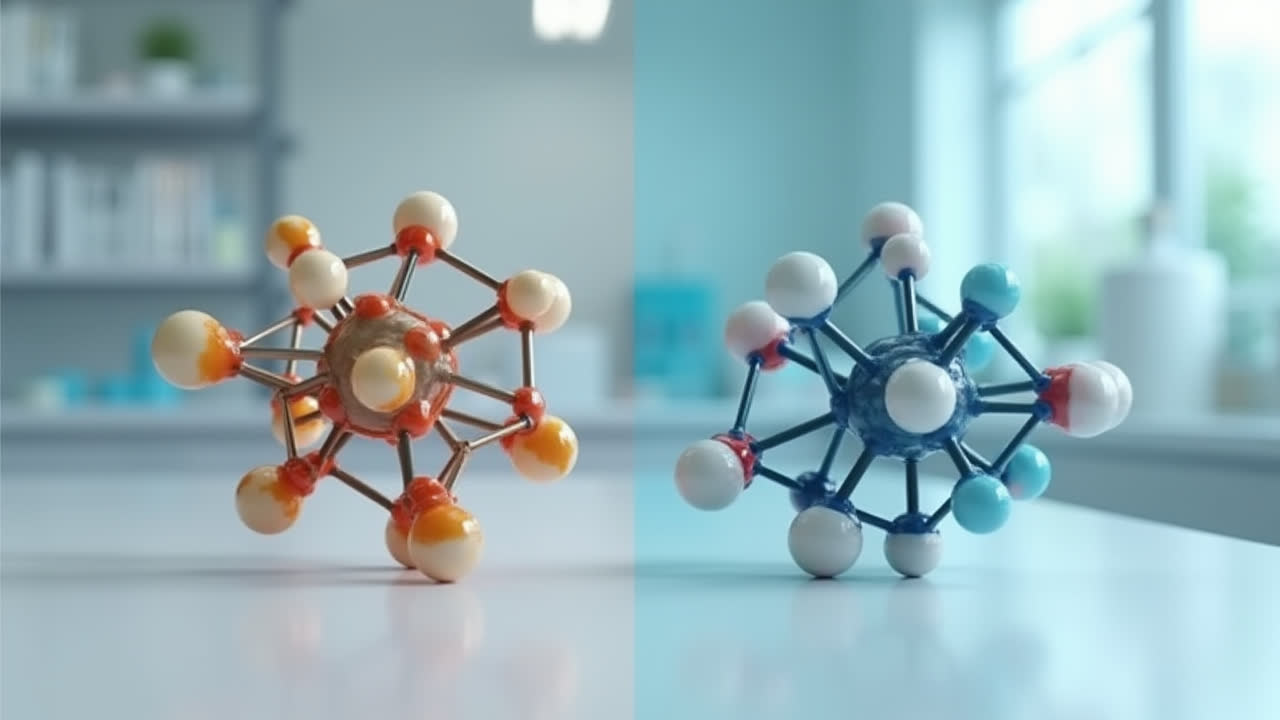
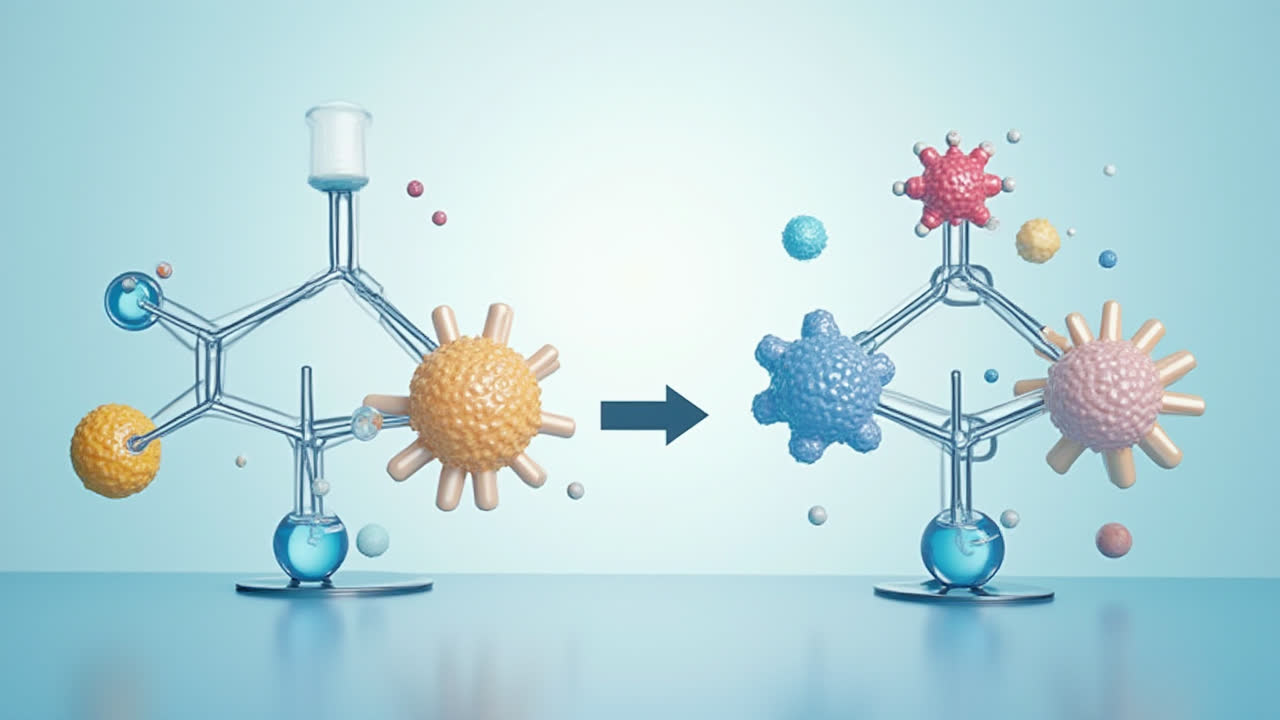
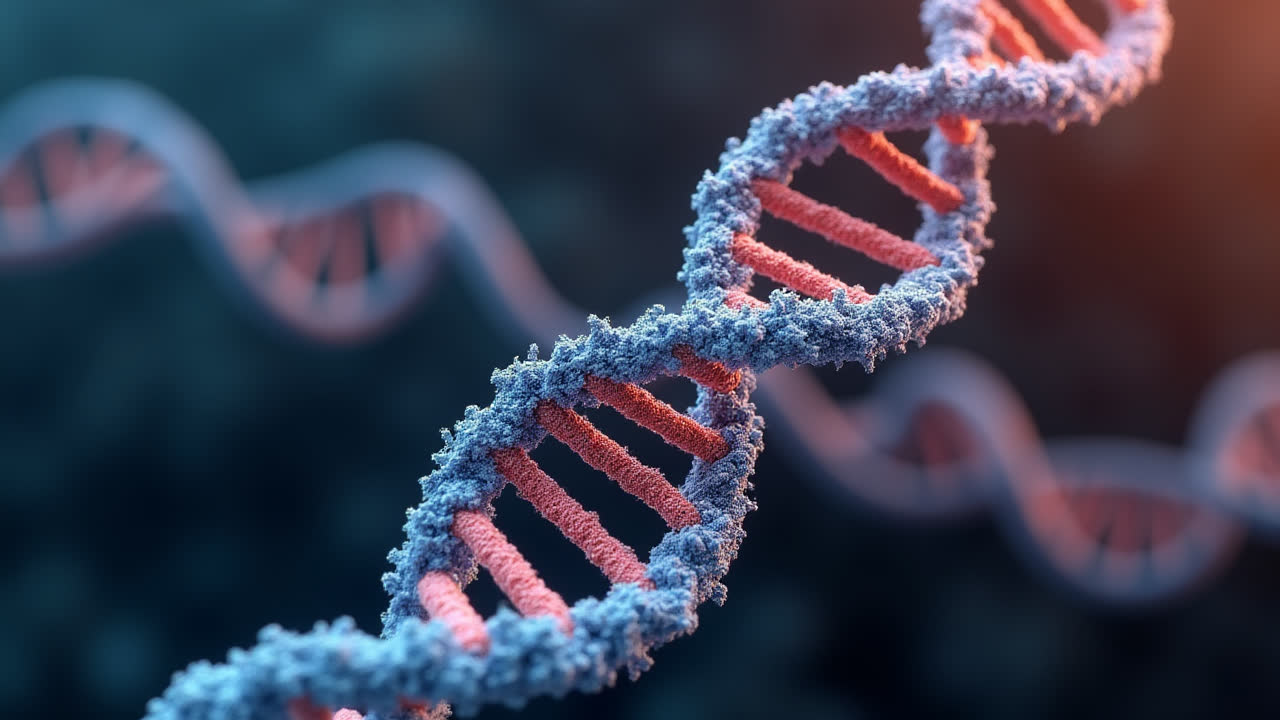
VNTR vs STR: Understanding Key Differences in Genetic Markers
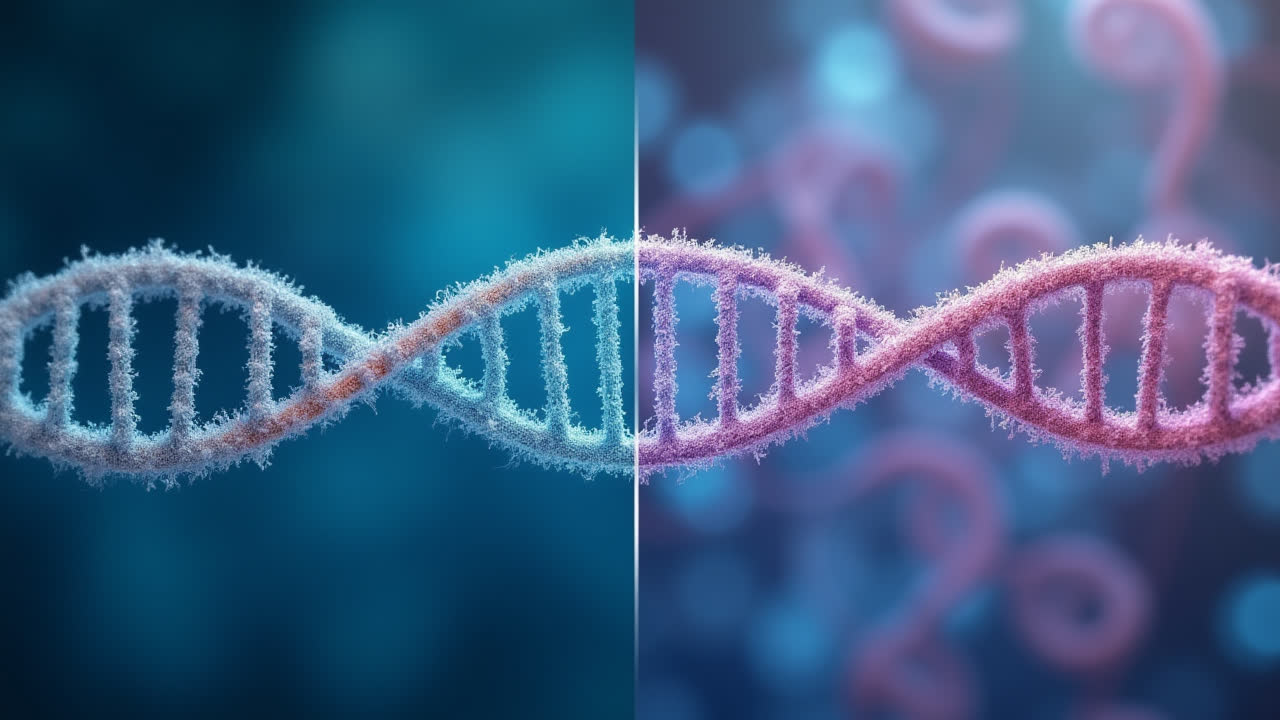
When delving into the fascinating world of genetic analysis, two terms you'll frequently encounter are VNTR and STR. These repetitive DNA sequences serve as crucial genetic markers in forensic science, paternity testing, and genetic research. But what exactly makes these two different, and why does it matter? As someone who's spent countless hours in genetics labs, I can tell you that understanding these differences can be the key to successful DNA profiling.
The eukaryotic genome contains various types of repetitive DNA sequences that create distinct patterns throughout our genetic makeup. Among these, tandem repeats play a particularly important role in genetic identification and analysis. VNTRs (Variable Number Tandem Repeats) and STRs (Short Tandem Repeats) represent two categories of these repeating patterns, each with unique characteristics that make them valuable for different applications. Haven't you ever wondered how forensic scientists can identify individuals from the tiniest DNA samples? The answer often lies in these remarkable genetic markers.
What Are VNTRs? Understanding Variable Number Tandem Repeats
VNTRs, or Variable Number Tandem Repeats, are sequences of DNA that repeat multiple times at specific locations (loci) in the genome. What makes them special is that they consist of moderate-length repetitive units, typically ranging from 10 to 60 base pairs in length. These repeating patterns are classified as minisatellites in genetic terminology, and they're distributed throughout chromosomes in the eukaryotic genome.
One of the most fascinating aspects of VNTRs is their high variability between individuals. The number of repeating units can vary significantly from person to person, creating unique patterns that can be used like genetic fingerprints. This variation is what makes VNTRs particularly useful in forensic genetics and parental identification. I remember working on a research project where we were amazed at how distinct these patterns were, even among siblings!
VNTRs were actually the first type of polymorphisms used in DNA profiling. They're employed as genetic markers in techniques like Restriction Fragment Length Polymorphism (RFLP), which uses PCR (Polymerase Chain Reaction), gel electrophoresis, and southern blotting to create distinctive band patterns. These patterns can then be used to identify individuals with remarkable accuracy. The technology has come a long way since the early days, but the basic principle remains incredibly powerful.
The arrays formed by VNTRs typically contain between 10 and 1,500 repeats, creating segments that range from 0.5 to 15 kilobases in length. This substantial size makes them relatively easy to detect using traditional laboratory methods, though newer techniques have largely superseded them in many applications. Nevertheless, VNTRs remain an important tool in the genetic analysis toolkit, particularly for certain types of genetic studies and identifications.
What Are STRs? Exploring Short Tandem Repeats
STRs, or Short Tandem Repeats, represent another category of repetitive DNA sequences, but with much smaller repetitive units than VNTRs. These sequences typically consist of just 2 to 6 base pairs that repeat multiple times at specific loci. Due to their small size, STRs are classified as microsatellites in genetic terminology. In plant genetics, they're sometimes referred to as Short Sequence Repeats (SSRs).
The compact nature of STRs gives them several advantages in genetic analysis. They're more abundant throughout the genome and can be amplified more easily using PCR techniques. This makes them particularly suitable for analyzing degraded DNA samples or very small amounts of genetic material – situations often encountered in forensic cases. I've worked with samples that were years old and heavily degraded, yet the STR analysis still yielded usable results. It's truly remarkable how resilient these genetic markers can be!
STRs have largely replaced VNTRs as the standard method for DNA profiling in modern forensic genetics. They typically form arrays containing between 5 and 200 repeats, resulting in segments that range from 10 to 1000 base pairs in length. This smaller size allows for more efficient analysis using automated sequencing technologies. The homogeneous nature of STR arrays also contributes to their reliability as genetic markers.
Beyond their applications in forensic science, STRs play significant roles in genetic research and medical diagnostics. Mutations in certain STR regions have been linked to various genetic disorders. For example, abnormal expansion of specific STR sequences is associated with conditions like Huntington's disease and fragile X syndrome. This connection between STR variations and disease states underscores their importance beyond mere identification purposes.
Key Differences Between VNTR and STR
While both VNTRs and STRs are types of tandem repeats found in the eukaryotic genome, they differ in several important aspects. These differences influence their applications in various fields of genetic analysis and research. Let's examine these distinctions more closely:
| Characteristic | VNTR (Variable Number Tandem Repeats) | STR (Short Tandem Repeats) |
|---|---|---|
| Repeat Unit Length | 10-60 base pairs | 2-6 base pairs |
| Classification | Minisatellite DNA | Microsatellite DNA |
| Number of Repeats | 10-1,500 repeats in the array | 5-200 repeats in the array |
| Size of Array | 0.5-15 kilobases (kb) | 10-1000 base pairs (bp) |
| Array Complexity | Heterogeneous arrays | Homogeneous arrays |
| Historical Usage | First generation DNA profiling | Current standard in forensic genetics |
| Analysis Method | Primarily RFLP techniques | PCR-based methods |
| Sample Requirements | Larger amounts of intact DNA | Works with smaller, degraded samples |
The most fundamental difference between these two genetic markers lies in their size. VNTRs consist of relatively large repetitive units (10-60 base pairs), while STRs have much smaller repeating sequences (2-6 base pairs). This size difference cascades into various practical implications for their use in genetic analysis. STRs can be analyzed more quickly and require less DNA, making them the preferred choice in most modern applications.
The structural characteristics of their arrays also differ significantly. VNTR arrays tend to be heterogeneous, meaning they can contain variations within the repeating pattern. In contrast, STR arrays are typically homogeneous, with more consistent repetition of the basic unit. This difference affects the complexity of analysis and the types of information that can be derived from each marker.
Applications in Forensic Genetics
Both VNTRs and STRs have played crucial roles in the evolution of forensic genetics, although STRs have become the predominant method in current practice. The application of these genetic markers has revolutionized criminal investigations, paternity testing, and victim identification in mass disasters. The journey from VNTR to STR analysis represents one of the most significant technological advancements in forensic science.
VNTRs were the pioneers in DNA profiling, introduced in the 1980s by Alec Jeffreys who developed the first DNA fingerprinting techniques. These early methods utilized Southern blotting and required substantial amounts of relatively intact DNA. While groundbreaking at the time, VNTR analysis had limitations: it was time-consuming, required radioisotopes for detection, and wasn't suitable for degraded samples. I still remember learning about these techniques during my early training – they seemed almost archaic compared to today's methods, but they laid the essential groundwork for everything that followed.
STR analysis emerged in the 1990s as PCR technology became more sophisticated. This approach offered numerous advantages: it required minimal DNA (as little as 100 picograms), worked with partially degraded samples, and could be easily automated. Modern STR profiling typically analyzes 20 or more loci simultaneously, providing extremely high discrimination power. The probability of two unrelated individuals having identical STR profiles at 20 loci is less than one in a trillion – that's greater than the Earth's population!
The Combined DNA Index System (CODIS) used by law enforcement agencies worldwide relies on STR profiling as its core technology. This standardization has enabled international cooperation in criminal investigations and helped solve countless cold cases. The evolution from VNTRs to STRs demonstrates how technological refinements can dramatically enhance the practical applications of genetic science.
Similarities Between VNTR and STR
Despite their differences, VNTRs and STRs share several important characteristics that make them valuable as genetic markers. Understanding these similarities helps explain why both have been so useful in genetic analysis, even as technological preferences have shifted over time.
Both VNTRs and STRs are types of tandem repeats – sequences where genetic material repeats adjacently in an array-like formation. They both represent structural regions of the eukaryotic genome that consist primarily of non-coding DNA. This non-coding nature is actually advantageous for identification purposes, as these regions can vary between individuals without affecting essential biological functions.
Another crucial similarity is their inheritance pattern. Both VNTRs and STRs are passed from parents to offspring following Mendelian inheritance principles. Each person inherits one allele (variant) from each parent, creating unique combinations that can be tracked through family lines. This property makes both types of markers invaluable for paternity testing and familial searches in forensic investigations.
Both genetic markers produce polymorphisms – variations between individuals – that are distributed throughout the genome. This widespread distribution increases their utility for identification purposes, as multiple independent loci can be analyzed simultaneously. The combined analysis of several loci dramatically increases the discriminatory power of genetic profiling, whether using VNTRs or STRs.
Finally, both VNTR and STR mutations have been associated with certain genetic diseases, highlighting their biological significance beyond forensic applications. These connections to health conditions underscore the broader importance of understanding repetitive DNA elements in the human genome.
Frequently Asked Questions About VNTR and STR
Why have STRs largely replaced VNTRs in modern forensic genetics?
STRs have largely replaced VNTRs in modern forensic genetics due to several practical advantages. STRs require much smaller amounts of DNA for analysis (often less than 1 nanogram), which is crucial when working with limited crime scene samples. Their smaller size makes them more resistant to degradation, allowing successful analysis of older or environmentally damaged samples. Additionally, STR analysis can be highly automated and standardized, making it faster and more cost-effective for routine forensic work. The PCR-based methods used for STR analysis also eliminate the need for radioisotopes, making the procedure safer and more environmentally friendly. These combined benefits have made STR profiling the gold standard in forensic DNA analysis worldwide.
What genetic diseases are associated with abnormal STR or VNTR patterns?
Several genetic diseases are associated with abnormal patterns in tandem repeats. In the case of STRs, the most well-known examples include Huntington's disease, which results from an expansion of CAG repeats in the HTT gene, and fragile X syndrome, caused by an expansion of CGG repeats in the FMR1 gene. Other conditions linked to STR expansions include myotonic dystrophy, spinocerebellar ataxias, and Friedrich's ataxia. For VNTRs, certain variants have been associated with increased susceptibility to conditions like insulin-dependent diabetes mellitus, Parkinson's disease, and some forms of cancer. These disease associations highlight how variations in repetitive DNA sequences can have significant biological consequences, despite being located primarily in non-coding regions of the genome.
How reliable is DNA profiling using STRs and VNTRs for identification purposes?
DNA profiling using STRs and VNTRs is extremely reliable for identification purposes when properly conducted. Modern STR profiling typically analyzes 20 or more loci simultaneously, creating a genetic profile with a random match probability of less than one in a trillion for unrelated individuals. This makes it one of the most definitive forms of identification available. The reliability depends on several factors: the number of loci tested (more loci increase reliability), the quality and quantity of the DNA sample, the laboratory protocols followed, and the statistical analysis applied. While no biological test is 100% perfect, STR profiling approaches this standard when adhering to rigorous forensic protocols. Courts worldwide now routinely accept DNA evidence based on these methods as highly reliable, often considering it the gold standard in forensic identification.
Conclusion: The Evolving Landscape of Genetic Markers
The transition from VNTR to STR analysis represents a fascinating chapter in the evolution of genetic science. These two types of tandem repeats, while similar in many respects, differ significantly in their size, structure, and practical applications. VNTRs, with their 10-60 base pair repeat units, served as the foundation for early DNA profiling techniques. STRs, featuring much smaller 2-6 base pair repeat units, have become the modern standard due to their superior performance with limited or degraded samples.
As we look to the future, it's worth noting that even STR analysis may eventually be supplemented or replaced by newer technologies. Single Nucleotide Polymorphisms (SNPs) and whole genome sequencing are already emerging as powerful tools in certain forensic and research contexts. Yet the principles established through VNTR and STR analysis – the use of genetic variations as uniquely identifying markers – will undoubtedly remain central to genetic identification.
Understanding the differences between these genetic markers isn't just academic knowledge – it has practical implications for anyone working in or interested in fields like forensic science, genetic testing, and medical diagnostics. The journey from VNTRs to STRs demonstrates how scientific refinement can dramatically increase the power and accessibility of genetic analysis, making its benefits available in an ever-widening range of applications.