Vitamin K vs K2: Essential Differences You Need to Know
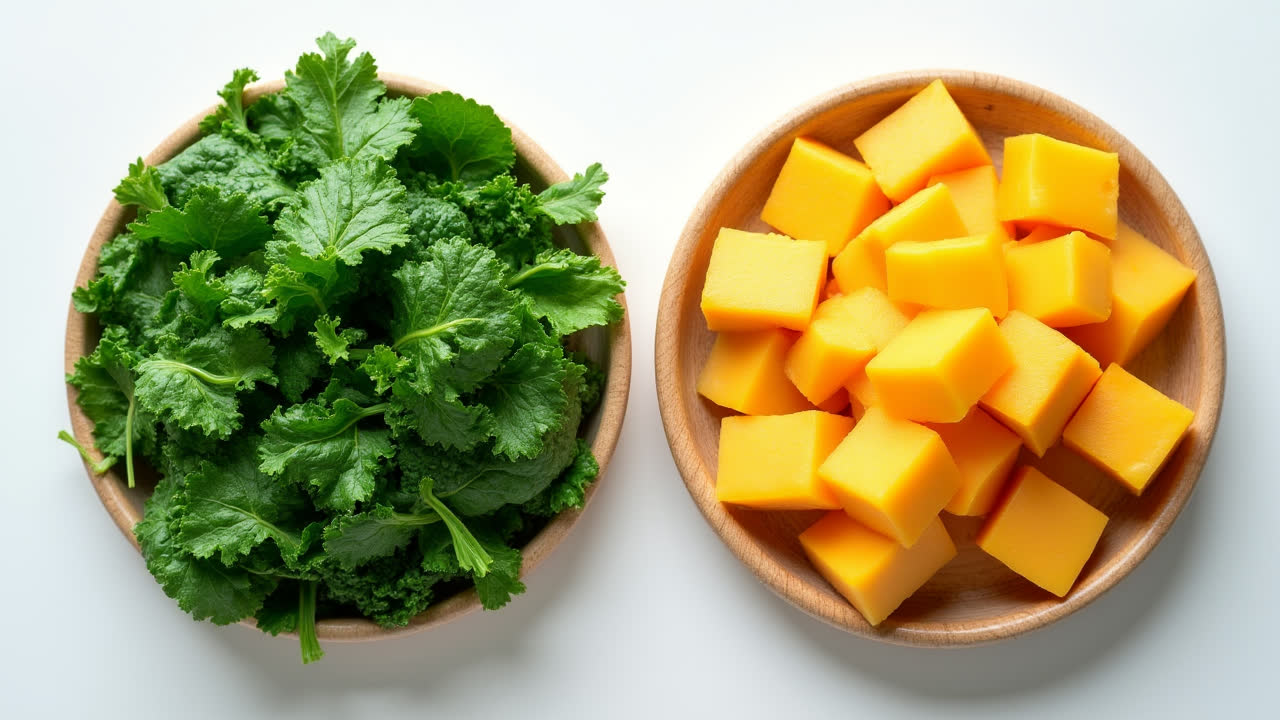
Understanding the difference between Vitamin K and K2 is crucial for optimizing your health. While they're often lumped together, these nutrients play distinct roles in your body and come from completely different food sources. If you're looking to improve your blood clotting, heart health, or bone strength, knowing which form of vitamin K to focus on could make all the difference in your wellness journey.
Many people don't realize that when we talk about "Vitamin K," we're actually referring to a family of compounds, not just a single vitamin. This fat-soluble group includes multiple forms, with K1 (phylloquinone) and K2 (menaquinone) being the most important for human health. Their differences in absorption, circulation, and biological effects make them uniquely valuable in different aspects of your health maintenance.
Have you ever wondered why some people taking green leafy vegetables still face vitamin K deficiencies? The answer lies in the different absorption rates between these vitamin forms. Let's dive into the fascinating world of vitamin K and discover how its various forms impact your overall health, where to find them in your diet, and which one might be more beneficial for your specific health concerns.
What is Vitamin K? Understanding the Basics
Vitamin K is a collective term for a group of fat-soluble vitamins that play a critical role in various bodily functions. The name "K" actually comes from the German word "koagulation," reflecting its well-established role in blood clotting. But this vitamin family does much more than just help your blood coagulate properly.
The three main forms of vitamin K include K1 (phylloquinone), K2 (menaquinone), and K3 (menadione). However, K3 is synthetic and not typically used in supplements anymore due to potential toxicity concerns. That leaves us with K1 and K2 as the primary natural forms that matter for human nutrition. These vitamins share a similar chemical structure but differ in their side chains, which affects how they function in the body.
Vitamin K activates proteins that serve as calcium-binding agents. This has important implications for blood clotting, as these proteins allow calcium ions to bind to them—a crucial step in the formation of blood clots. Without adequate vitamin K, you might experience excessive bleeding even from minor injuries. I once had a patient who experienced unusual bruising and discovered their vitamin K levels were severely depleted due to medication interactions.
Beyond blood clotting, vitamin K prevents calcium deposition in blood vessels while promoting its incorporation into bones and teeth. This dual action makes it uniquely valuable for cardiovascular health and bone strength. The body doesn't store large amounts of vitamin K, making regular dietary intake important. Even though outright deficiency is relatively rare, suboptimal levels are common and might contribute to long-term health issues that often go undetected.
Vitamin K1: The Plant-Based Form
Vitamin K1, or phylloquinone, is the primary dietary form of vitamin K for most people. It's predominantly found in plant sources, particularly in leafy green vegetables. When you're eating foods like kale, spinach, collard greens, or Brussels sprouts, you're consuming significant amounts of vitamin K1. These greens aren't just trendy superfoods—they're legitimate powerhouses of this essential nutrient.
One interesting characteristic of vitamin K1 is its relatively poor absorption rate. Less than 10% of the K1 consumed in food actually gets absorbed by your body. This explains why some individuals who seemingly eat plenty of greens might still have suboptimal vitamin K status. The absorption improves when these foods are consumed with some dietary fat, which is why lightly sautéing your greens in olive oil might be more beneficial than eating them raw in certain cases.
After absorption, vitamin K1 is primarily transported to the liver, where it assists in the production of clotting factors. This targeted distribution explains why K1 is particularly effective for blood coagulation functions but might have limited availability for other body tissues that could benefit from vitamin K activity.
While vitamin K1 deficiency is uncommon in adults with normal diets, certain conditions can increase risk. These include malabsorption disorders, long-term antibiotic use, and treatment with vitamin K antagonists like warfarin. Newborns are also particularly vulnerable to vitamin K deficiency, which is why vitamin K shots are routinely administered at birth in many countries—a practice that has dramatically reduced the incidence of vitamin K deficiency bleeding in infants.
Vitamin K2: The Fermented and Animal-Derived Form
Vitamin K2, or menaquinone, represents a family of compounds that differ from K1 in both source and function. Unlike the plant-dominated K1, vitamin K2 is primarily found in animal products and fermented foods. This fundamental difference in food sources is why many vegetarians and vegans might get plenty of K1 but could potentially benefit from K2 supplementation, depending on their dietary choices.
The K2 family includes several subtypes, labeled from MK-4 to MK-15 based on their molecular structure. The two most studied forms are MK-4 and MK-7. MK-4 is found in animal products like chicken, egg yolks, and butter, while MK-7 through MK-15 are primarily produced by bacteria. This bacterial origin explains why fermented foods like natto (fermented soybeans), cheese, and sauerkraut are excellent sources of these longer-chain K2 variants. I've personally found incorporating small amounts of traditionally fermented foods into my diet has made a noticeable difference in my energy levels, though of course that's just my experience.
One of the key advantages of vitamin K2 is its superior bioavailability compared to K1. While K1 is poorly absorbed, K2 forms are more efficiently taken up by the body. Additionally, K2 variants—especially the longer-chain types like MK-7—remain in circulation much longer than K1. While K1 is quickly directed to the liver and then cleared from the bloodstream, K2 can circulate for several hours or even days, allowing it to reach various tissues throughout the body.
This extended circulation time means K2 is more available to extra-hepatic (non-liver) tissues, including bones, blood vessels, and other organs. This distribution pattern explains why K2 appears to have more significant effects on bone health and cardiovascular function compared to K1. The different subtypes of K2 also have varying half-lives, with MK-7 remaining bioavailable for much longer than MK-4, suggesting it might be more effective for certain health applications when taken as a supplement.
Comparison: Vitamin K vs Vitamin K2
| Comparison Point | Vitamin K (Primarily K1) | Vitamin K2 |
|---|---|---|
| Chemical Structure | Phylloquinone with a phytyl side chain | Menaquinone with varying side chain lengths (MK-4 to MK-15) |
| Primary Food Sources | Leafy greens, broccoli, Brussels sprouts | Fermented foods, animal products (especially organ meats) |
| Absorption Rate | Poor (less than 10%) | Higher (more efficient) |
| Distribution in Body | Primarily to liver | Circulates in blood longer, reaches peripheral tissues |
| Primary Health Benefits | Blood clotting (main function) | Bone health, cardiovascular health, possibly metabolic benefits |
| Half-life in Body | Short (1-2 hours) | Longer (MK-7 up to 72 hours) |
| Supplemental Forms | Phylloquinone (K1) | MK-4 and MK-7 most common |
| Gut Bacteria Production | Not produced by gut bacteria | Some K2 forms produced by gut bacteria |
Health Benefits: Where K1 and K2 Shine
While both vitamin K1 and K2 share some overlapping functions, their different distribution patterns in the body lead to some specialized health benefits. Understanding these differences can help you make more informed decisions about your diet and supplement choices.
Blood Clotting
Both K1 and K2 can activate the proteins involved in blood coagulation, but K1 is the primary form used by the liver for this purpose. Since K1 is preferentially directed to the liver after absorption, it's particularly effective for maintaining normal clotting function. This is why vitamin K1 is the form typically prescribed when someone needs to address a clotting issue not related to medication. The body seems to prioritize using available vitamin K for blood clotting above all other functions, highlighting how essential this process is for survival.
Bone Health
Both forms of vitamin K are involved in bone metabolism, but research suggests that K2 may be more effective for this purpose. Vitamin K activates osteocalcin, a protein that binds calcium to the bone matrix. Several studies have found that vitamin K2 supplementation (particularly MK-4 and MK-7) is associated with increased bone mineral density and reduced fracture risk. In Japan, high-dose MK-4 is actually approved as a treatment for osteoporosis, though such doses are typically only available by prescription.
Cardiovascular Health
Perhaps the most striking difference between K1 and K2 appears in their effects on cardiovascular health. Vitamin K2 activates matrix Gla protein (MGP), which prevents calcium from depositing in arterial walls. By keeping calcium out of your arteries and directing it to your bones where it belongs, K2 may help maintain arterial flexibility and reduce calcification. The Rotterdam Study, a large epidemiological study, found that high intake of vitamin K2 (but not K1) was associated with a reduced risk of arterial calcification and cardiovascular mortality.
Beyond these primary benefits, emerging research suggests potential roles for vitamin K (especially K2) in glucose metabolism, cancer prevention, and brain health. However, these areas require more research before definitive conclusions can be drawn. Despite the promising results, it's worth remembering that most studies showing the strongest benefits have used relatively high doses of vitamin K2 that would be difficult to obtain from diet alone.
Getting Enough: Diet vs. Supplements
Now that we understand the differences between vitamin K forms, the natural question is: how can we ensure we're getting enough of each type? As with most nutrients, diet should be your first consideration, but supplements may have a place depending on your individual circumstances.
Dietary Sources
For vitamin K1, the solution is straightforward: eat your greens! Just one cup of cooked kale provides several times the recommended daily intake of vitamin K1. Other excellent sources include spinach, collard greens, Swiss chard, broccoli, and Brussels sprouts. Green tea and herbs like parsley and cilantro also contain meaningful amounts. Remember that consuming these foods with some healthy fat improves absorption.
Getting adequate K2 from food can be more challenging, especially in Western diets that may not regularly include fermented foods. The richest source of K2 (specifically MK-7) is natto, a traditional Japanese dish of fermented soybeans. With its strong flavor and unusual texture, natto isn't universally appealing, but even small amounts provide substantial K2. Other sources include certain cheeses (particularly aged varieties), sauerkraut, egg yolks, liver, and grass-fed dairy products. The K2 content of animal products depends significantly on the animals' diet—those fed on grass rather than grain typically produce foods with higher K2 levels.
Supplement Considerations
Vitamin K supplements are available in several forms. K1 supplements are widely available but may be less necessary for most people who eat vegetables regularly. K2 supplements typically come as either MK-4 or MK-7, with the latter offering the advantage of less frequent dosing due to its longer half-life. When considering supplementation, it's important to consider potential interactions with medications, particularly blood thinners like warfarin (Coumadin) which work by antagonizing vitamin K.
For those not on anticoagulant therapy, vitamin K supplements appear to have an excellent safety profile. Unlike some fat-soluble vitamins (like A and D), vitamin K does not accumulate to toxic levels in the body. However, as with any supplement, it's wise to discuss with a healthcare provider before starting, especially if you have existing health conditions or take medications.
Frequently Asked Questions About Vitamin K and K2
Can I take vitamin K2 while on blood thinners?
If you're taking warfarin (Coumadin) or other vitamin K antagonist medications, you should consult with your healthcare provider before taking any form of vitamin K supplement, including K2. These medications work by interfering with vitamin K's action, and supplementation can affect your INR (International Normalized Ratio) levels. However, some research suggests that maintaining consistent vitamin K intake (rather than avoiding it entirely) may actually help stabilize anticoagulant therapy. Your doctor might recommend monitoring your levels more frequently if you decide to supplement.
Are there signs of vitamin K2 deficiency I should watch for?
Unlike some vitamins, clinical deficiency of vitamin K2 doesn't typically present with immediate, obvious symptoms. Instead, insufficient K2 might contribute to long-term health issues like increased arterial calcification, reduced bone density, and poor dental health. Standard blood tests don't measure vitamin K2 status, making deficiency difficult to detect. Risk factors for inadequate K2 include limited intake of fermented foods and animal products, digestive disorders that affect fat absorption, extended antibiotic use (which disrupts gut bacteria that produce some K2), and certain genetic variations that affect vitamin K metabolism.
Should vitamin K2 be taken with vitamin D for better results?
There appears to be a synergistic relationship between vitamins D and K2, particularly regarding bone and cardiovascular health. Vitamin D helps your body absorb calcium from your diet, while vitamin K2 helps ensure that calcium is deposited in appropriate places (bones and teeth) rather than soft tissues (arteries and organs). Without adequate K2, increased calcium absorption driven by vitamin D might potentially lead to inappropriate calcification. Many health practitioners now recommend taking these nutrients together, and some supplements combine them for convenience. As with any supplementation strategy, individual needs vary, and consulting with a healthcare provider can help determine the right approach for your specific situation.
Conclusion: Making Informed Choices
The difference between vitamin K and K2 highlights the complexity of nutrition and how the specific forms of nutrients can have distinct effects on our health. While vitamin K1 excels at supporting blood clotting, vitamin K2 appears to offer broader benefits for bone and cardiovascular health due to its different absorption and distribution patterns.
For overall health, it makes sense to ensure adequate intake of both forms. A diet rich in leafy greens provides K1, while incorporating some fermented foods and animal products (particularly from pasture-raised animals) can help with K2. For those with limited intake of K2-rich foods, supplementation might be worth considering, especially for individuals concerned about bone health or cardiovascular disease prevention.
As our understanding of vitamin K continues to evolve, it's becoming increasingly clear that this once-overlooked nutrient family deserves more attention in both clinical practice and personal health strategies. By appreciating the distinct roles of different vitamin K forms, we can make more informed choices about our diets and supplementation approaches, potentially improving long-term health outcomes.
Remember that while vitamins are essential, they work best as part of a comprehensive approach to health that includes a balanced diet, regular physical activity, stress management, and adequate sleep. Whenever considering supplementation, it's wise to consult with a healthcare provider familiar with your individual health history and current medication regimen.