Paraffin vs Olefin: Key Differences & Applications Explained
Paraffin vs Olefin: Key Differences & Applications Explained
When you dive into the world of hydrocarbons, you'll quickly encounter two major players: paraffin and olefin. These organic compounds might sound similar at first, but they're actually quite different in their chemical makeup and practical uses. Whether you're working in chemistry, energy production, or simply curious about these common industrial materials, understanding the difference between paraffin and olefin is crucial.
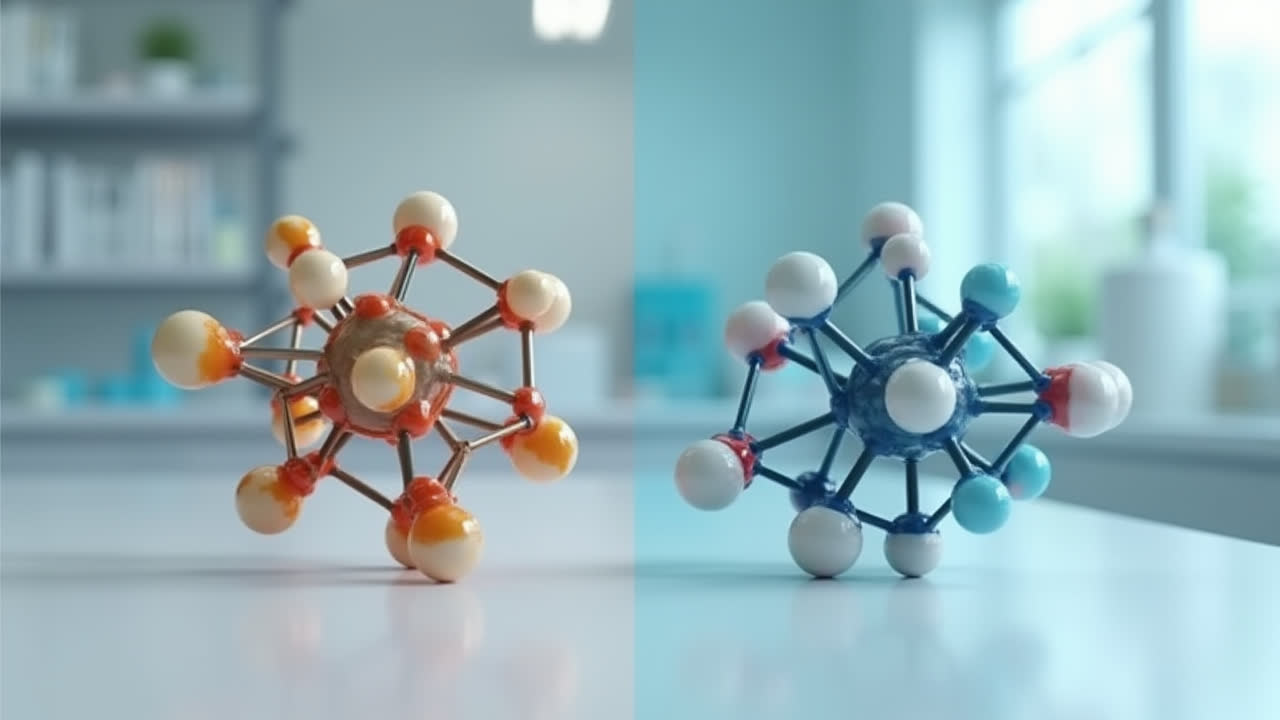
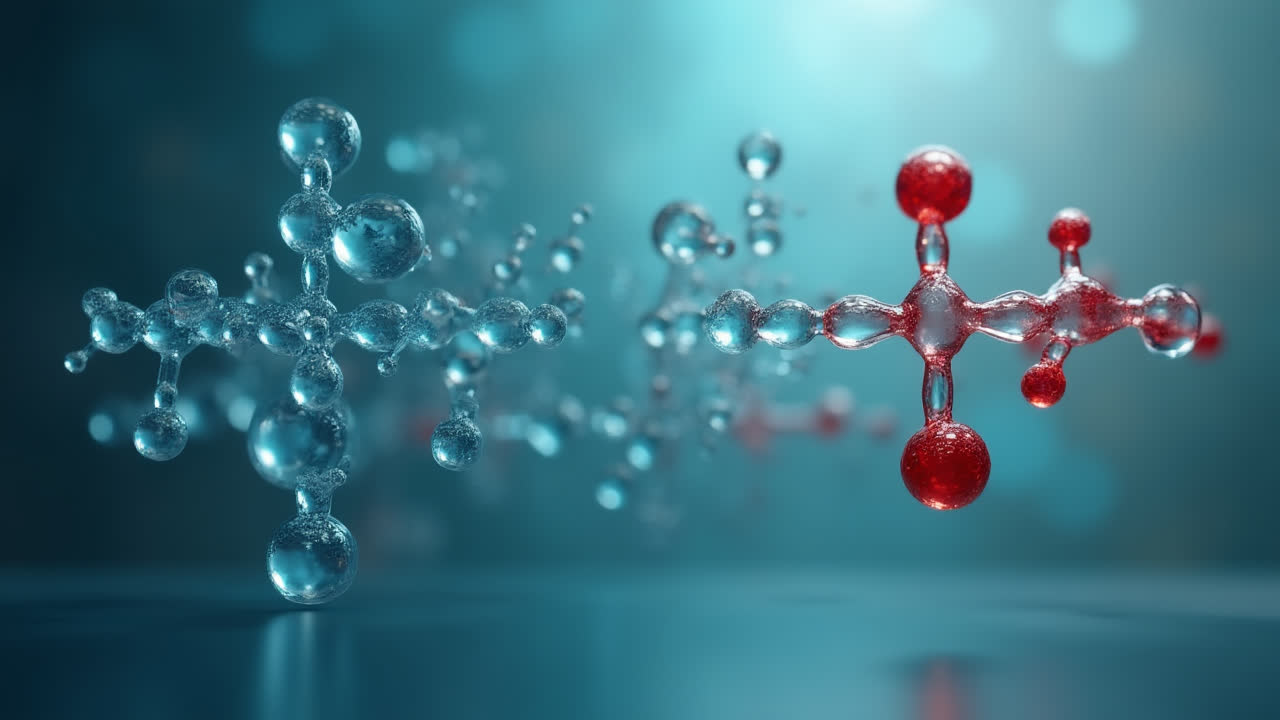
The fundamental distinction lies in their molecular structure. Paraffin, also known as alkane, is a saturated hydrocarbon comprised entirely of single bonds between carbon atoms. It's like a perfectly stable family where everyone's holding hands firmly. On the other hand, olefin (also called alkene) is an unsaturated hydrocarbon containing at least one double bond between carbon atoms - think of it as having some members doing a more complex dance move.
This structural difference isn't just academic mumbo-jumbo. It dramatically affects how these hydrocarbons behave, react, and find their way into our daily lives. From the candles on your birthday cake to the plastic bags at the grocery store, both paraffins and olefins play starring roles in our modern world, just in very different ways.
Chemical Structure and Properties
Let's break down the chemistry in simple terms. Paraffins follow the general formula CnH2n+2, where 'n' represents the number of carbon atoms. This means they have single bonds linking all their carbon atoms together, making them structurally stable but rather unreactive. You can think of them as the introverts of the hydrocarbon world - they prefer to keep to themselves rather than form new relationships.
Olefins, however, follow the CnH2n formula and come with that double bond that makes all the difference. This double bond consists of a sigma bond and a pi bond, with the pi bond being particularly reactive. It's like having a conversation starter at a party - suddenly, everyone wants to interact with you, leading to all sorts of interesting chemical reactions.
The reactivity difference is massive. Paraffins are notoriously stable and inert, which explains why they're often used when you need something that won't react with other substances. They're the reliable friends of the chemical world. Olefins, in contrast, are the social butterflies, ready to participate in addition reactions, polymerization, and various other chemical processes that require an active participant.
Physical Properties Comparison
One of the most noticeable differences between paraffin and olefin is their physical state at room temperature. Most paraffins hang out as solid waxy substances when the weather's mild, though some shorter-chain versions can be liquid. You've probably seen paraffin wax in action - it's that solid white stuff that melts nicely to make candles or coat things for protection.
Olefins, however, tend to be more of the gaseous or liquid type at room temperature. Ethylene, the simplest olefin, is a gas that floats around at standard conditions. Some olefins can form solids, but usually only after they've undergone polymerization - a process where they link up to form long chains. This is how we get plastics like polyethylene from the simple gas ethylene.
The melting and boiling points tell another interesting story. Generally speaking, paraffins have higher melting and boiling points than their olefin counterparts with the same number of carbon atoms. This is partly due to their more linear structure and stronger intermolecular forces. It's like comparing a perfectly organized line (paraffin) to people jumping around doing the jitterbug (olefin) - the organized line definitely holds together better under heat!
| Property | Paraffin | Olefin |
|---|---|---|
| Chemical Structure | Saturated hydrocarbon with single bonds | Unsaturated hydrocarbon with double bonds |
| General Formula | CnH2n+2 | CnH2n |
| Reactivity | Low (inert) | High (reactive double bond) |
| Physical State | Typically solid at room temperature | Usually gas or liquid at room temperature |
| Melting/Boiling Point | Generally higher | Generally lower |
| Example | Paraffin wax | Ethylene |
| Common Application | Candles, fuel, protective coatings | Plastic production, chemicals |
| Environmental Impact | Moderate (from fossil fuels) | Variable (depends on source) |
Industrial Applications and Real-World Uses
You'd be surprised how often you encounter both paraffin and olefin in your daily life, even if you don't realize it. Paraffin wax, perhaps the most recognizable paraffin product, shows up everywhere from birthday candles to food preservation. Remember the last time you bought cheese wrapped in a waxy coating? Thank paraffin for keeping it fresh! Its low reactivity makes it perfect for these protective applications.
The energy sector particularly loves paraffins for their high energy content and stable nature. They're key components in gasoline and diesel fuel. When you fill up your car, you're essentially loading it with paraffins ready to be combusted for energy. The petroleum industry processes crude oil through distillation to separate different paraffin fractions based on their chain lengths.
Olefins, meanwhile, are the building blocks of our plastic-dependent society. Ethylene alone is responsible for producing polyethylene, which makes everything from plastic bags to bulletproof vests. The versatility of olefins in polymerization reactions has revolutionized materials science. They're also crucial in the production of many chemicals, from alcohols to solvents.
In the cosmetics industry, both hydrocarbons find their niche. Paraffin appears in beauty products as an emollient and thickener, while olefin-derived materials often form the base for many synthetic ingredients. Sometimes, the same product might contain derivatives of both - a testament to their complementary roles in modern manufacturing.
Environmental Considerations
Let's face it - neither paraffin nor olefin gets perfect marks when it comes to environmental impact, primarily because most of them are derived from petroleum. However, the story is more nuanced than simple "good vs. bad" narratives. Paraffins, being less reactive, tend to be more persistent in the environment when spilled or discarded, though they're generally considered non-toxic.
The combustion of paraffins in fuels does contribute to carbon dioxide emissions, adding to greenhouse gas concerns. But their stability also means they don't easily break down into potentially harmful byproducts. It's like that reliable friend who never changes - sometimes that's exactly what you want, and sometimes it's exactly what you don't.
Olefins present a different environmental profile. Their reactivity means they can potentially form various compounds in the atmosphere, some of which might be pollutants. However, this same reactivity makes them more biodegradable in many cases. The environmental impact of olefin-based plastics is a hot topic, with recycling and biodegradable alternatives becoming increasingly important.
The push for renewable sources is changing the game for both hydrocarbon types. Bio-based paraffins and olefins are emerging, though they're still playing catch-up with traditional petroleum-derived versions. It's encouraging to see the industry evolving, even if we're not quite there yet in terms of completely sustainable solutions.
Future Trends and Innovations
The future of both paraffin and olefin looks intriguing, with green chemistry taking center stage. Researchers are exploring ways to produce these hydrocarbons from renewable resources like biomass and even carbon dioxide. Imagine turning waste CO2 back into useful hydrocarbons - that's the kind of circular economy we're aiming for.
In the olefin world, new polymerization techniques are creating materials with properties we couldn't have imagined a decade ago. These innovations are addressing everything from plastic waste problems to creating more efficient fuel alternatives. The versatility of olefins continues to surprise scientists and engineers alike.
Paraffin technology isn't standing still either. New processing methods are making paraffin production more efficient and environmentally friendly. There's also growing interest in using paraffins in phase-change materials for energy storage - a technology that could revolutionize how we manage heat and cooling in buildings.
What fascinates me most is how these traditionally petroleum-based hydrocarbons might soon come from entirely different sources. The race is on to develop sustainable alternatives that maintain the beneficial properties of paraffins and olefins while addressing their environmental shortcomings. It's an exciting time to be following these developments!
Frequently Asked Questions
What happens if you mix paraffin and olefin?
When paraffin and olefin are mixed, they don't typically react with each other under normal conditions due to paraffin's inert nature. However, under certain conditions like high temperature or in the presence of catalysts, olefins might undergo reactions while paraffins remain unchanged. This property is actually useful in many industrial applications where these hydrocarbons are processed together.
Is paraffin wax the same as petroleum jelly?
No, they're different products although both are paraffin-based. Paraffin wax is solid at room temperature and has a crystalline structure, while petroleum jelly (like Vaseline) is a semi-solid mixture of hydrocarbons that remains soft and greasy. Both come from petroleum refining but undergo different processing methods and have distinct applications.
Can olefins be converted to paraffins?
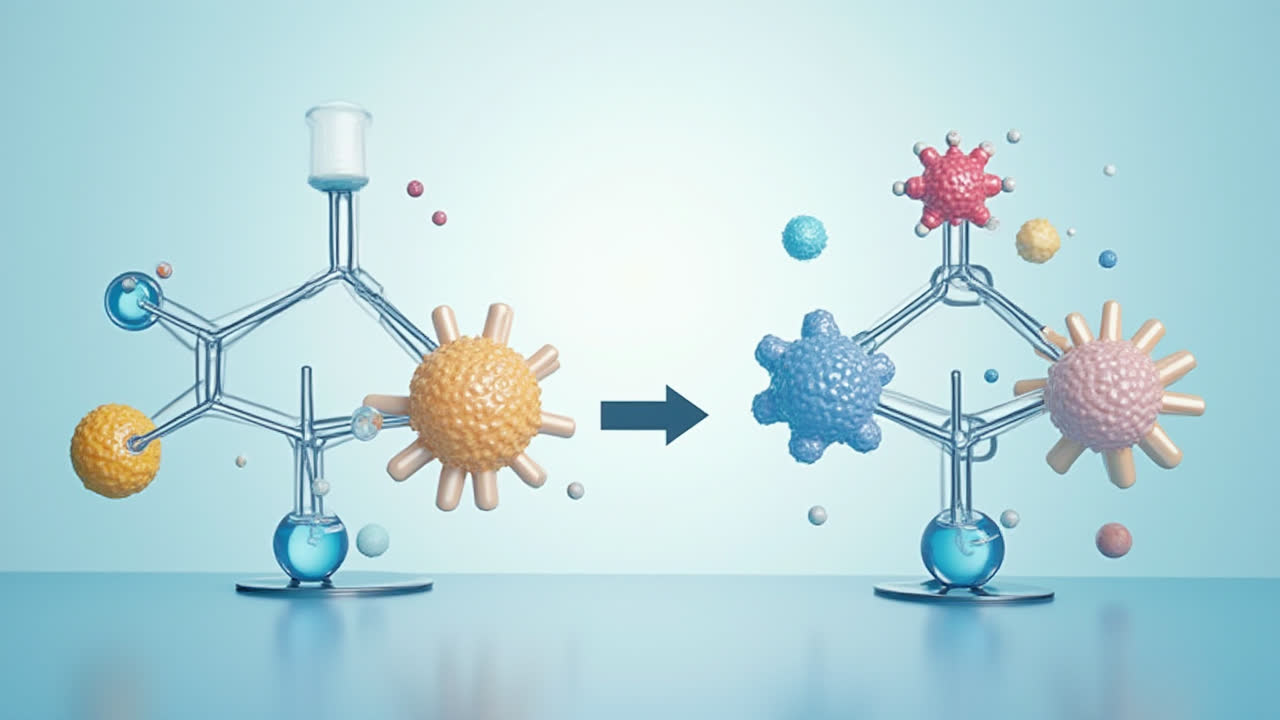
Yes, olefins can be converted to paraffins through a process called hydrogenation. This involves adding hydrogen across the double bond in the presence of a catalyst. The resulting paraffin is more stable and less reactive. This conversion is commonly performed in refineries to produce more stable fuel components or to adjust the properties of petroleum products.
Conclusion: Making Sense of These Hydrocarbon Cousins
As we've journeyed through the world of paraffin and olefin, it's clear these hydrocarbons are more than just chemical formulas - they're the building blocks of our modern society. The key difference between paraffin and olefin lies in their bonding structure: paraffins with their stable single bonds and olefins with their reactive double bonds.
Understanding these differences helps us appreciate why certain materials behave the way they do. Whether it's the steady burn of a paraffin candle or the versatility of olefin-based plastics, each has earned its place in our industrial and daily life. As we move toward a more sustainable future, both types of hydrocarbons will continue to evolve, finding new sources and applications that balance human needs with environmental responsibility.
The next time you encounter these materials - from the gas station to the grocery store - you'll have a deeper appreciation for the chemistry happening all around you. And who knows? Maybe this knowledge will spark further curiosity about the fascinating world of organic chemistry that powers our modern civilization.