Lactoferrin vs Colostrum: 7 Key Differences Explained
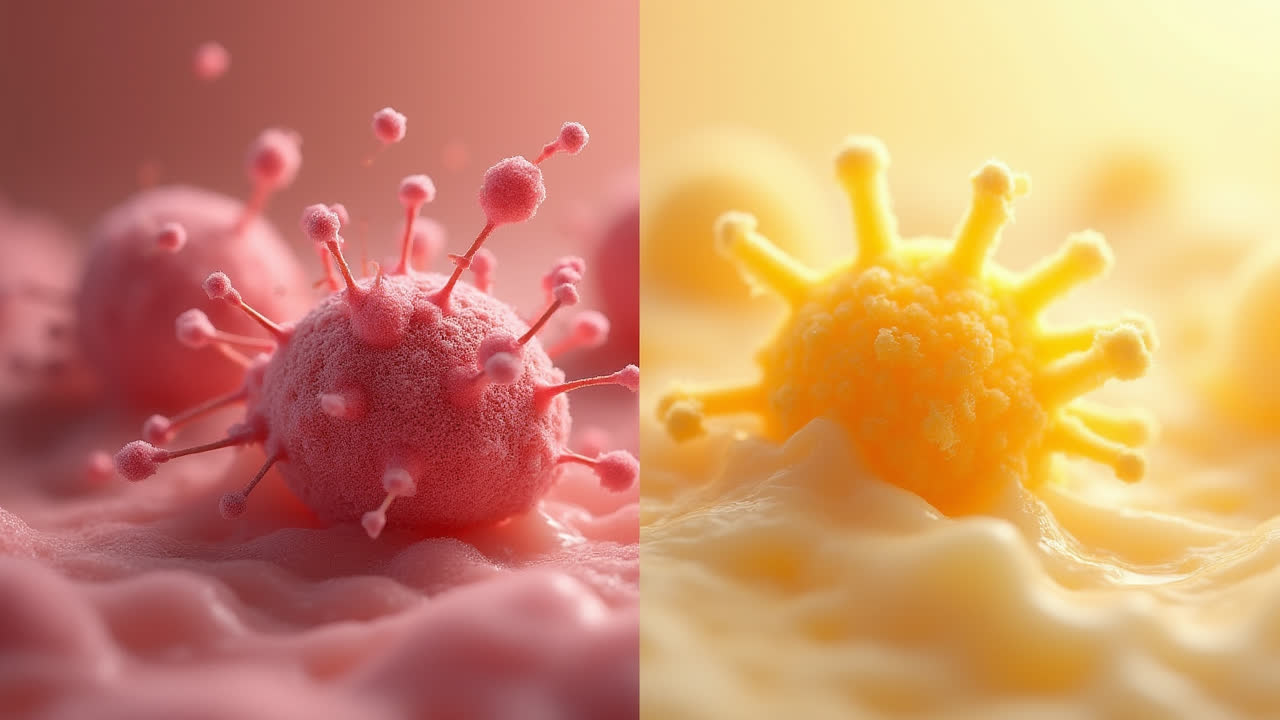
Lactoferrin vs Colostrum: What's the Real Difference?
When it comes to infant nutrition, there's often confusion about lactoferrin vs colostrum and their distinct roles. While both are crucial components of breast milk, they serve different purposes in protecting your baby's health. Understanding these differences can help you appreciate how nature provides optimal nutrition through breast milk.
As someone who's researched nutritional science for years, I always find it fascinating how these tiny components work together to create such powerful protection for newborns. The difference between lactoferrin and colostrum isn't just academic – it's a testament to the intricate design of maternal nutrition.
What Exactly Is Lactoferrin?
Lactoferrin is what scientists call a glycoprotein – basically a protein that loves iron. Found not just in breast milk, but also in tears, saliva, and other bodily fluids, this multitasking molecule has some impressive protective properties. It's like nature's security guard, wandering around your baby's system looking for trouble.
The interesting thing about lactoferrin is that its concentration varies depending on where you are in the nursing journey. In colostrum, you'll find about seven times more lactoferrin than in mature milk – which makes sense when you think about it. Newborns need extra protection since their immune systems are just getting started.
Understanding Colostrum: The Liquid Gold
Now, colostrum is what many call "liquid gold" – that thick, yellowish fluid your breasts produce in the first few days after birth. I've seen new mothers get concerned when their milk doesn't immediately come in, but this is exactly as it should be. That thick, sticky substance is precisely what your baby needs.
What makes colostrum special is its incredible concentration of protective factors. It's like nature packed everything your newborn needs into small, easily digestible portions. The composition is fascinating – more protein, less fat and carbs than regular milk, but absolutely loaded with antibodies and other goodies.
Key Differences: Breaking It Down
| Characteristic | Lactoferrin | Colostrum |
|---|---|---|
| Form | Protein molecule | Thick, yellowish fluid |
| Main Function | Iron binding and immunomodulation | Establishing gut immunity |
| Concentration | Varies by lactation stage | Highest in first few days |
| Production | Continuous in various body fluids | Specific to early postpartum period |
| Primary Protection | Anti-pathogenic and anti-inflammatory | Rich in immunoglobulin A |
| Metabolism Effect | Modulates lipid metabolism | Establishes healthy gut microbiome |
| Molecular Structure | 80 kDa glycoprotein | Complex mixture of proteins, fats, and carbs |
| Temperature Stability | Denatures above 80-90°C | Less heat-stable overall |
How They Work Together for Infant Health
The beautiful thing about understanding lactoferrin and colostrum is seeing how they complement each other. Think of them as a tag team protecting your baby. Colostrum delivers the initial blast of immunity, while lactoferrin continues the fight against pathogens throughout the nursing journey.
I've often compared this relationship to building a house. Colostrum lays the foundation – establishing the gut microbiome and providing that crucial first line of defense. Lactoferrin then becomes part of the ongoing maintenance, binding iron, fighting inflammation, and even potentially protecting against cancer later in life.
Practical Applications: What This Means for Parents
So what does all this science mean for you as a parent? Well, for starters, it helps you understand why that initial "liquid gold" is so precious. Those first drops of colostrum might not seem like much, but they're literally setting up your baby's entire immune system.
It also explains why breastfeeding recommendations focus so heavily on those first few days. The concentration of lactoferrin in colostrum is significantly higher than in mature milk, providing maximum protection when your baby is most vulnerable. No wonder pediatricians get excited about early breastfeeding initiation!
The Science Gets Interesting: Recent Discoveries
Recent research has shown that lactoferrin might have applications beyond infant nutrition. Scientists are exploring its potential in treating neurodegenerative diseases and even emotional disorders. Makes you wonder what other secrets are hidden in breast milk components, doesn't it?
Similarly, studies on colostrum have found that it contains growth factors that might help repair tissues and even support athletic performance. Though using bovine colostrum supplements is controversial, the research is intriguing nonetheless.
When Things Don't Go as Planned
Let's be real here – not everyone can breastfeed, and that's okay. Understanding the difference between lactoferrin and colostrum can help you make informed decisions about alternatives. Some formulas attempt to include lactoferrin, though obviously can't replicate the complete composition of colostrum.
If you're pumping and storing milk, knowing that lactoferrin denatures above certain temperatures becomes important. Gentle heating methods are best to preserve these beneficial proteins.
Frequently Asked Questions
How much lactoferrin is in colostrum compared to regular milk?
Colostrum contains about 2 mg/ml of lactoferrin, which is approximately seven times more than mature breast milk. This higher concentration provides maximum immune protection to newborns when they're most vulnerable.
Can you get lactoferrin from sources other than colostrum?
Yes, lactoferrin is found in various body fluids including tears, saliva, and blood plasma. It's also present in cow's milk and is sometimes used in supplements, though the concentration and bioavailability differ from human sources.
How long does your body produce colostrum?
Colostrum production typically begins in the third trimester of pregnancy and continues for 2-5 days after birth. It then gradually transitions to transitional milk and finally to mature milk, with correspondingly lower lactoferrin concentrations.
Final Thoughts on Lactoferrin and Colostrum
Understanding the difference between lactoferrin and colostrum reveals just how sophisticated our bodies are in nurturing the next generation. While colostrum provides that initial burst of protection and nutrition, lactoferrin continues working throughout the entire nursing journey.
Whether you're a new parent, a healthcare professional, or just curious about human biology, I hope this breakdown helps clarify these important nutritional components. Remember, every baby's journey is unique, but nature has provided an remarkable system for supporting their growth and development.
At the end of the day, knowing about lactoferrin and colostrum is just one piece of the parenting puzzle. Trust your instincts, consult with healthcare providers, and remember that every bit of breastfeeding – whether it's colostrum or mature milk – provides valuable nutrition for your little one.