Lactic Acid vs Lactate Dehydrogenase: Key Differences Explained

Have you ever experienced that burning sensation in your muscles during an intense workout? That's lactic acid at work – but it's not the villain it's often made out to be. Meanwhile, you might have seen lactate dehydrogenase (LDH) on your blood test results without understanding its significance. These two compounds play crucial roles in our body's metabolism, especially during oxygen-limited conditions, yet they're frequently confused.
Understanding the difference between lactic acid and lactate dehydrogenase isn't just academic – it has practical implications for athletes, fitness enthusiasts, and anyone concerned about their health. While both are related to anaerobic metabolism, they serve entirely different functions in the body. One is a metabolic byproduct, while the other is an enzyme that facilitates important chemical reactions.
This comprehensive guide will unravel the mysteries of these two compounds, explaining their formation, functions, and what elevated levels might indicate about your health. Whether you're trying to optimize your athletic performance or understand your medical test results, this knowledge will prove invaluable. Let's dive into the fascinating world of cellular metabolism!
What is Lactic Acid?
Lactic acid (C₃H₆O₃) is an organic compound that forms naturally in the body during certain metabolic processes. It's extremely water-soluble and exists primarily as lactate (its deprotonated form) at physiological pH. The misconception that lactic acid causes muscle soreness has persisted for decades, but modern science has revealed a more nuanced picture of its role.
When our muscles work intensely and oxygen delivery becomes limited, our cells shift from aerobic to anaerobic metabolism. During this process, pyruvate (the end product of glycolysis) is converted to lactate, which allows glycolysis to continue producing ATP (energy) even without oxygen. This process, called lactic acid fermentation, is a temporary but vital energy production pathway.
I've experienced this firsthand during hill sprints – that burning sensation isn't actually muscle damage but rather the body's smart adaptation to keep generating energy when oxygen is scarce. Contrary to popular belief, lactate isn't a waste product but rather a valuable fuel source that can be recycled by the liver through the Cori cycle or used directly by cardiac muscle.
The normal level of lactic acid in the blood ranges from 0.5 to 1 mmol/L under resting conditions. However, during intense exercise, these levels can increase substantially – sometimes up to 20-25 mmol/L in elite athletes. The accumulation of hydrogen ions (not lactate itself) contributes to the acidosis that can temporarily impair muscle function during high-intensity exercise.
When lactic acid levels become abnormally elevated in the bloodstream (above 4 mmol/L) without exercise as the cause, it's known as lactic acidosis – a condition that can indicate serious underlying medical issues. Type A lactic acidosis occurs due to tissue oxygen deprivation (hypoxia), while Type B results from metabolic impairments even with normal oxygen levels.
What is Lactate Dehydrogenase?
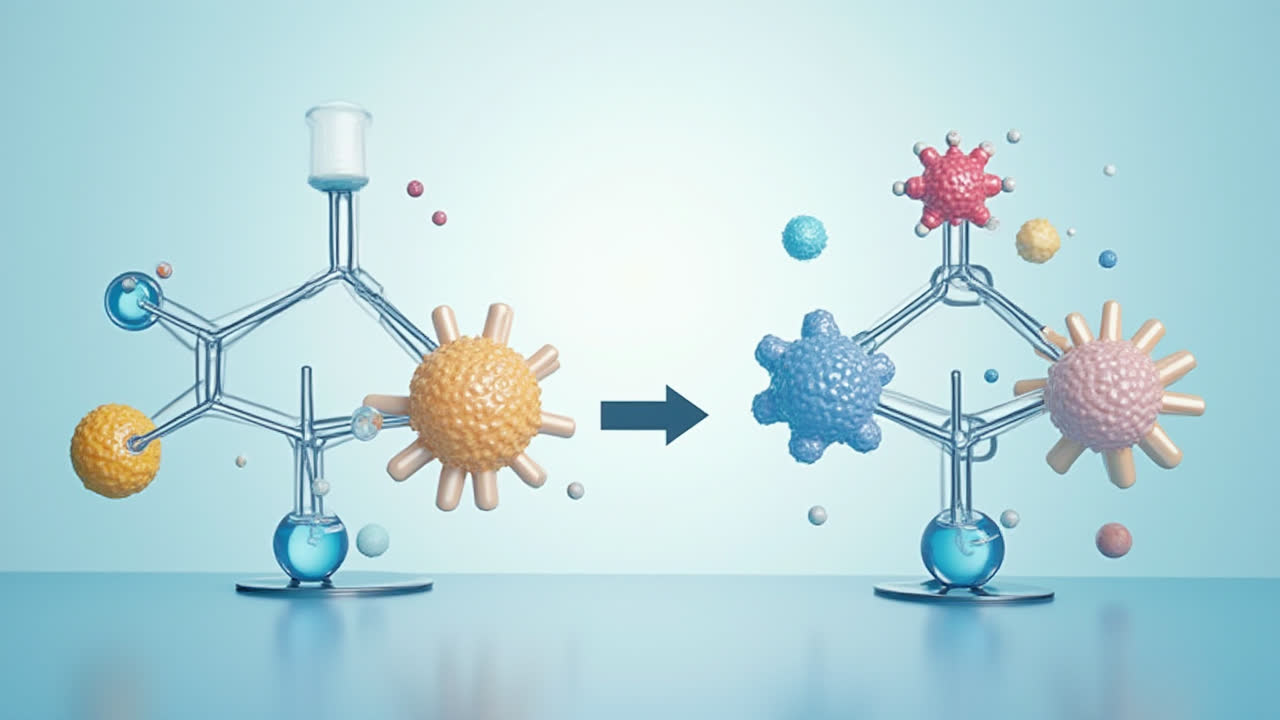
Lactate dehydrogenase (LDH) is an essential enzyme found in nearly all living cells. Unlike lactic acid, which is a metabolic intermediate, LDH is a protein that catalyzes the interconversion between pyruvate and lactate. This reaction is crucial because it regenerates NAD+ (nicotinamide adenine dinucleotide), allowing glycolysis to continue producing ATP when oxygen is limited.
The fascinating thing about LDH is that it exists in five different isoforms (LDH-1 through LDH-5), each with a different distribution throughout the body's tissues. LDH-1 and LDH-2 predominate in the heart and red blood cells, LDH-3 is found mainly in the lungs and other tissues, while LDH-4 and LDH-5 are concentrated in the liver and skeletal muscles. This tissue-specific distribution allows doctors to use LDH isoenzyme patterns to help diagnose specific organ damage.
I remember learning about LDH in biochemistry class and being amazed at how the body uses the same basic enzyme structure but with slight variations to serve different tissues' needs. The heart prefers lactate as a fuel source (facilitated by LDH-1), while skeletal muscles need to produce lactate during intense activity (using LDH-5). Mother Nature's engineering is truly remarkable!
Normal blood levels of total LDH in adults typically range from 100 to 190 U/L (units per liter), though reference ranges may vary slightly between laboratories. Elevated LDH levels often indicate tissue damage, as cells release this enzyme into the bloodstream when they're injured or die. Because LDH is present in many tissues, elevated levels alone can't pinpoint the exact location of damage – additional tests are usually needed.
Interestingly, some individuals have genetic mutations that result in LDH deficiency, leading to exercise intolerance and muscle pain. On the flip side, high doses of vitamin C (ascorbic acid) may artificially lower measured LDH levels in blood tests, highlighting the importance of informing your healthcare provider about supplements you're taking before diagnostic testing.
Comparison: Lactic Acid vs Lactate Dehydrogenase
| Comparison Point | Lactic Acid | Lactate Dehydrogenase |
|---|---|---|
| Chemical Nature | Organic compound (C₃H₆O₃) | Enzyme (protein) |
| Primary Function | Metabolic intermediate in anaerobic glycolysis | Catalyzes conversion between pyruvate and lactate |
| Location in Body | Produced in muscles and various tissues | Present in nearly all cells, with tissue-specific isoforms |
| Normal Blood Levels | 0.5-1 mmol/L | 100-190 U/L |
| Elevated Levels Indicate | Intense exercise, hypoxia, or metabolic disorders | Tissue damage in heart, liver, kidney, muscles, etc. |
| Role in Exercise | Allows continued energy production when oxygen is limited | Facilitates the lactate production needed during intense activity |
| Medical Significance | High levels (lactic acidosis) may indicate serious conditions | Elevated levels help diagnose tissue damage or disease |
| Types/Variants | L-lactate (main form in humans) and D-lactate | Five isoenzymes (LDH-1 through LDH-5) |
Key Differences Explained in Detail
The fundamental difference between lactic acid and lactate dehydrogenase lies in their basic nature – one is a compound, and the other is an enzyme. Lactic acid is the end product of anaerobic glycolysis, while lactate dehydrogenase is the enzymatic catalyst that facilitates its production. Think of lactic acid as the product coming off an assembly line, with LDH being one of the machines that helps create it.
Another important distinction relates to their roles during exercise. When you're working out intensely, your muscles produce lactate as a way to continue generating energy when oxygen is insufficient. This process allows glycolysis to continue by regenerating NAD+, which is essential for the earlier steps of glycolysis. The lactate produced isn't a waste product but rather a valuable fuel source that can be shuttled to other tissues or converted back to glucose in the liver.
Health implications offer another significant contrast. Elevated lactic acid in the blood (lactic acidosis) typically indicates either extreme exertion or a problem with oxygen delivery or utilization in the body. It's often seen in conditions like sepsis, cardiac arrest, or severe asthma attacks. On the other hand, high LDH levels generally point to tissue damage in specific organs, depending on which isoenzymes are elevated. Doctors use LDH tests as part of diagnosing conditions ranging from heart attacks to liver disease to certain cancers.
The cellular dynamics also differ substantially. Lactate is constantly being produced and consumed in a dynamic equilibrium, with production increasing during exercise and other high-energy-demand states. LDH, meanwhile, remains relatively stable within cells unless there's damage that causes the enzyme to leak into the bloodstream. This is why LDH levels rise after tissue injury – not because more enzyme is being produced, but because existing enzyme is being released from damaged cells.
Lastly, their measurement and monitoring serve different clinical purposes. Lactic acid levels are typically measured to assess oxygen sufficiency and metabolic status, particularly in critically ill patients. LDH, conversely, is monitored as a marker of tissue damage and can help track disease progression or treatment response in conditions like cancer, where rapidly dividing cells release more LDH as they turn over.
Similarities Between Lactic Acid and Lactate Dehydrogenase
Despite their differences, lactic acid and lactate dehydrogenase share several important connections. First and foremost, they're intimately related in the same metabolic pathway – anaerobic glycolysis. Without LDH, lactate production wouldn't occur efficiently; without the lactate pathway, cells would struggle to maintain energy production during oxygen-limited conditions.
Both compounds become particularly relevant during exercise, especially high-intensity activities like sprinting or heavy weightlifting. When oxygen can't keep up with energy demands, muscle cells rely on anaerobic glycolysis, which involves both lactate production and LDH activity. This is why both lactate levels and LDH can be elevated following intense physical activity – though LDH elevations from exercise alone are typically mild.
Another similarity is their distribution throughout body tissues. Both lactate production and LDH activity occur in virtually all cells, though they're particularly prominent in metabolically active tissues like skeletal muscle, cardiac muscle, liver, and kidneys. These same tissues often show the most dramatic changes in both lactate and LDH levels during disease states.
From a clinical perspective, both can serve as biomarkers, albeit for different conditions. Elevated levels of either can indicate pathology, though the specific implications differ. Both measurements are relatively routine in clinical settings and can provide valuable diagnostic and monitoring information when interpreted correctly in the appropriate context.
Clinical Implications and Testing
When doctors order tests for lactic acid or lactate dehydrogenase, they're looking for different types of information. Lactic acid testing is common in emergency and critical care settings, where it helps assess tissue oxygenation and metabolic status. Persistently high lactate levels, especially those that don't improve with treatment (known as lactate clearance), are associated with higher mortality in critically ill patients.
LDH testing, meanwhile, is more often used in diagnosing and monitoring various diseases. Because different isoenzymes predominate in different tissues, patterns of LDH elevation can sometimes point to specific organs. For example, elevated LDH-1 and LDH-2 might suggest cardiac damage, while high LDH-5 could indicate liver problems. However, modern medicine often has more specific biomarkers (like troponin for heart attacks), so LDH is frequently used as a supportive test rather than a primary diagnostic tool.
Both tests require proper sample handling. Lactic acid levels can falsely increase if blood samples aren't processed quickly or if the patient clenches their fist repeatedly during blood draw. LDH is relatively stable but can be affected by hemolysis (rupture of red blood cells in the sample), which artificially increases the measured level since red blood cells contain high amounts of LDH.
For athletes and fitness enthusiasts, understanding lactate threshold – the exercise intensity at which lactate begins to accumulate in the blood faster than it can be cleared – is valuable for training optimization. This threshold can be measured through specialized testing and improved through targeted training. LDH levels, on the other hand, aren't typically monitored as part of athletic training programs unless there's concern about overtraining or muscle damage.
Frequently Asked Questions
Does lactic acid cause muscle soreness after exercise?
Contrary to popular belief, lactic acid is not responsible for the delayed-onset muscle soreness (DOMS) that peaks 24-48 hours after exercise. By that time, lactic acid has long since been cleared from the muscles. DOMS is actually caused by microscopic damage to muscle fibers and the subsequent inflammatory response. Lactic acid typically clears from the bloodstream within an hour after exercise ends. The immediate burning sensation during intense exercise is related to hydrogen ion accumulation and acidosis, which does involve lactate metabolism, but this acute sensation disappears quickly once exercise stops.
Why might a doctor order an LDH test?
A doctor might order an LDH test for several reasons, including: 1) To help diagnose or monitor tissue damage from various causes; 2) As part of a workup for suspected hemolytic anemia (where red blood cells break down prematurely); 3) To monitor certain types of cancer, particularly testicular cancer, lymphoma, and some types of leukemia, where LDH levels can help track treatment response; 4) As a supplementary test in suspected heart attacks or liver disease, though more specific tests are usually the primary diagnostic tools; 5) To evaluate unexplained symptoms that might indicate tissue damage or disease in various organs. The test is rarely used alone but rather as part of a comprehensive diagnostic approach.
Can training change how my body handles lactic acid?
Yes, training can significantly improve your body's ability to manage lactate during exercise. Regular endurance training enhances several aspects of lactate metabolism: 1) It increases the number of mitochondria in muscle cells, allowing more pyruvate to enter aerobic metabolism rather than being converted to lactate; 2) It improves the capacity to shuttle lactate between tissues, so lactate produced in one muscle fiber can be used as fuel by another; 3) It enhances the body's ability to buffer acid, reducing the performance-inhibiting effects of acidosis; 4) It raises the lactate threshold, meaning you can exercise at higher intensities before lactate begins to accumulate significantly. High-intensity interval training (HIIT) is particularly effective for improving lactate threshold and clearance capacity.
Conclusion
Understanding the distinction between lactic acid and lactate dehydrogenase provides valuable insights into how our bodies function, particularly during exercise and in various disease states. While intimately connected in the same metabolic pathways, these compounds serve fundamentally different roles – lactate as a metabolic intermediate and potential fuel source, and LDH as the enzymatic machinery that facilitates key reactions.
For athletes and fitness enthusiasts, recognizing that lactate isn't the enemy but rather an important part of energy metabolism can inform better training approaches. The old advice to "avoid the burn" misses the point that some training specifically targeting lactate production and clearance can enhance performance.
From a medical perspective, both lactic acid and LDH serve as important biomarkers that help diagnose and monitor various conditions. The specific patterns of elevation in each can provide clinicians with valuable clues about underlying pathologies, guiding treatment decisions and prognostic assessments.
As our understanding of cellular metabolism continues to evolve, so too does our appreciation for the complexity and elegance of these biochemical processes. Far from being simple waste products or static enzymes, lactate and LDH participate in dynamic, interconnected pathways that help maintain homeostasis across diverse physiological conditions.
Whether you're an athlete looking to optimize performance, a patient trying to understand test results, or simply someone curious about human physiology, deepening your knowledge about lactic acid and lactate dehydrogenase offers practical benefits and intellectual satisfaction alike.