Kinase vs Phosphorylase: Essential Differences Between Critical Enzymes
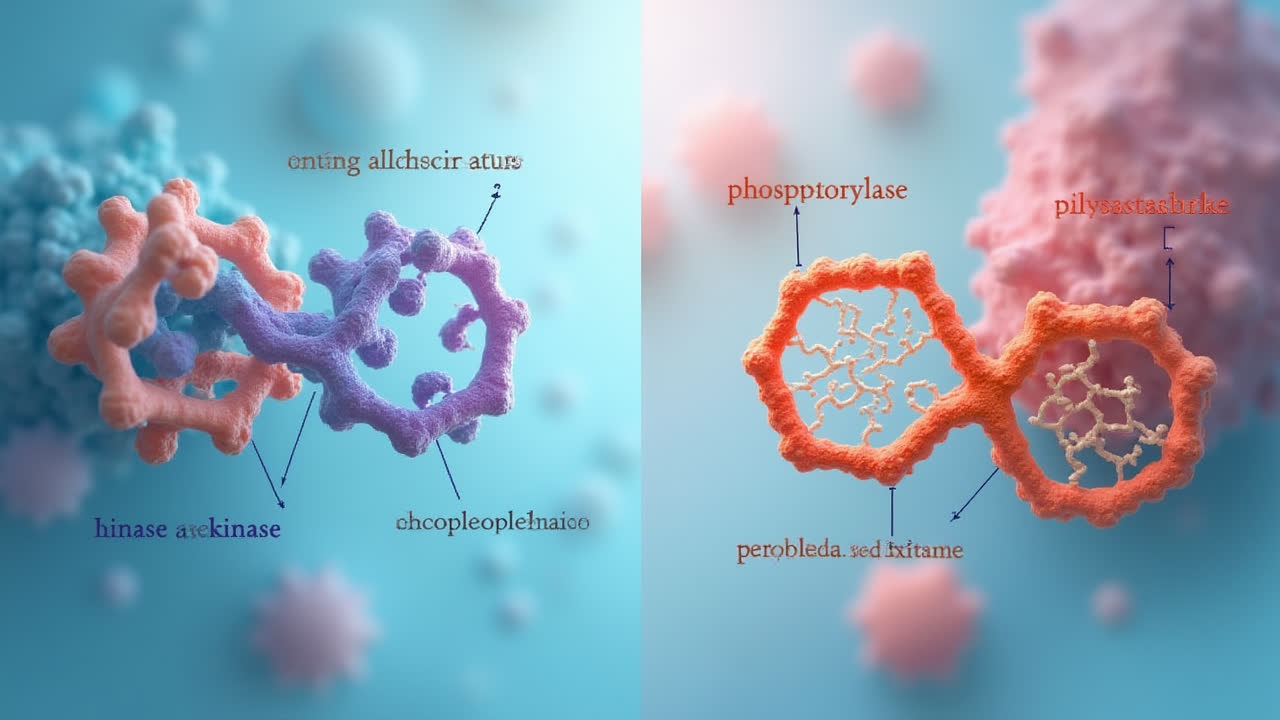
Introduction to Cellular Enzymatic Processes
In the intricate world of cellular biochemistry, enzymes function as essential catalysts that drive countless biological reactions. Among these, kinases and phosphorylases stand out as critical enzyme families that regulate numerous cellular functions through phosphorylation pathways. Have you ever wondered how your cells regulate energy production and storage at a molecular level? The answer lies partially in understanding these fascinating enzymes.
Both kinases and phosphorylases manage phosphate groups—those tiny molecular units containing phosphorus and oxygen that play outsized roles in cellular energy transfer. Though they might sound similar, these enzyme classes differ significantly in their mechanisms, substrates, and cellular functions. I've spent years studying these molecular machines, and I'm always amazed at how their subtle differences lead to vastly different biological outcomes.
In this comprehensive guide, we'll explore the fundamental distinctions between kinase and phosphorylase enzymes, examine their unique mechanisms of action, and understand their respective roles in cellular metabolism. Whether you're a biology student, healthcare professional, or simply curious about the molecular machinery driving life processes, this article will provide a clear understanding of these crucial enzymatic players.
What is a Kinase? Definition and Function
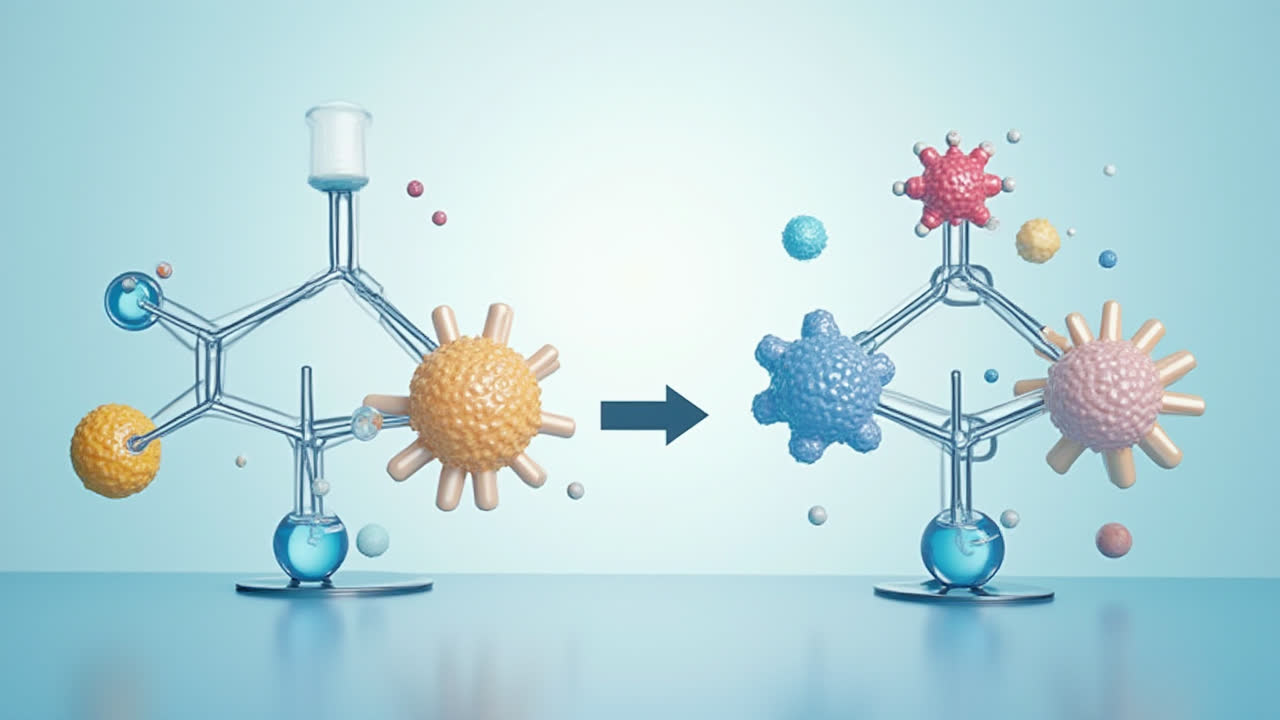
A kinase refers to an enzyme that catalyzes the transfer of a phosphate group from a high-energy molecule, typically adenosine triphosphate (ATP), to a specific substrate molecule. This phosphorylation process is fundamental to countless cellular activities, from energy metabolism to signal transduction. I remember learning about kinases in my biochemistry class and being fascinated by how these tiny molecular machines could control so many different processes in our bodies.
Kinases serve as crucial regulators in numerous biological pathways. They modify proteins, lipids, carbohydrates, and nucleic acids by attaching phosphate groups to them. In protein kinases, for example, phosphate groups are added to specific amino acids like tyrosine, threonine, and serine. This modification acts like a molecular switch, changing the activity of the protein and, consequently, its function within the cell.
The beauty of kinase function lies in its reversibility—phosphorylated molecules can later be dephosphorylated, allowing for dynamic regulation of cellular processes. This phosphorylation-dephosphorylation cycle drives everything from cell signaling cascades to metabolic regulation. Isn't it remarkable how adding a single phosphate group can dramatically alter a molecule's function? Nature has evolved this elegant system over billions of years, optimizing it for precise control of cellular activities.
Different types of kinases specialize in phosphorylating different substrates. Protein kinases, which represent one of the largest enzyme families in the human genome, modify proteins and regulate nearly every aspect of cell life. Lipid kinases phosphorylate lipid molecules, playing crucial roles in membrane dynamics and cell signaling. Carbohydrate kinases add phosphate groups to sugars like glucose, which is an essential first step in glycolysis—the process that breaks down glucose for energy.
What is a Phosphorylase? Definition and Function
A phosphorylase is an enzyme that catalyzes phosphorylation using inorganic phosphate groups rather than those from ATP. Unlike kinases, phosphorylases often work in catabolic pathways, breaking down larger molecules by adding phosphates at specific junctions. The most well-known example is probably glycogen phosphorylase, which plays a starring role in breaking down our body's stored glycogen when we need energy.
Phosphorylases are particularly important in carbohydrate metabolism, where they help mobilize stored energy. For instance, when your body needs quick energy during exercise, glycogen phosphorylase springs into action, cleaving glucose units from glycogen stores in your liver and muscles. The enzyme accomplishes this by adding a phosphate group to each glucose unit it removes, producing glucose-1-phosphate that can then enter energy-producing pathways. I've always found it fascinating how this process allows our bodies to rapidly access stored energy when needed.
These enzymes fall into two major classes: glycosyltransferases and nucleotidyltransferases. Glycosyltransferases remove glucose residues from complex carbohydrates called glucans, while nucleotidyltransferases exhibit 3' to 5' exonuclease activity, working primarily on nucleic acid substrates. Each class has evolved specialized mechanisms suited to their particular substrates and cellular roles.
The regulation of phosphorylases is equally interesting. Many phosphorylases, including glycogen phosphorylase, are regulated through both allosteric mechanisms and phosphorylation. This dual regulatory system allows cells to precisely control when and how quickly stored energy is mobilized, responding to hormonal signals and energy status. During stress or exercise, for example, hormones like adrenaline trigger a cascade that activates glycogen phosphorylase, ensuring your body can meet increased energy demands.
Detailed Comparison: Kinase vs Phosphorylase
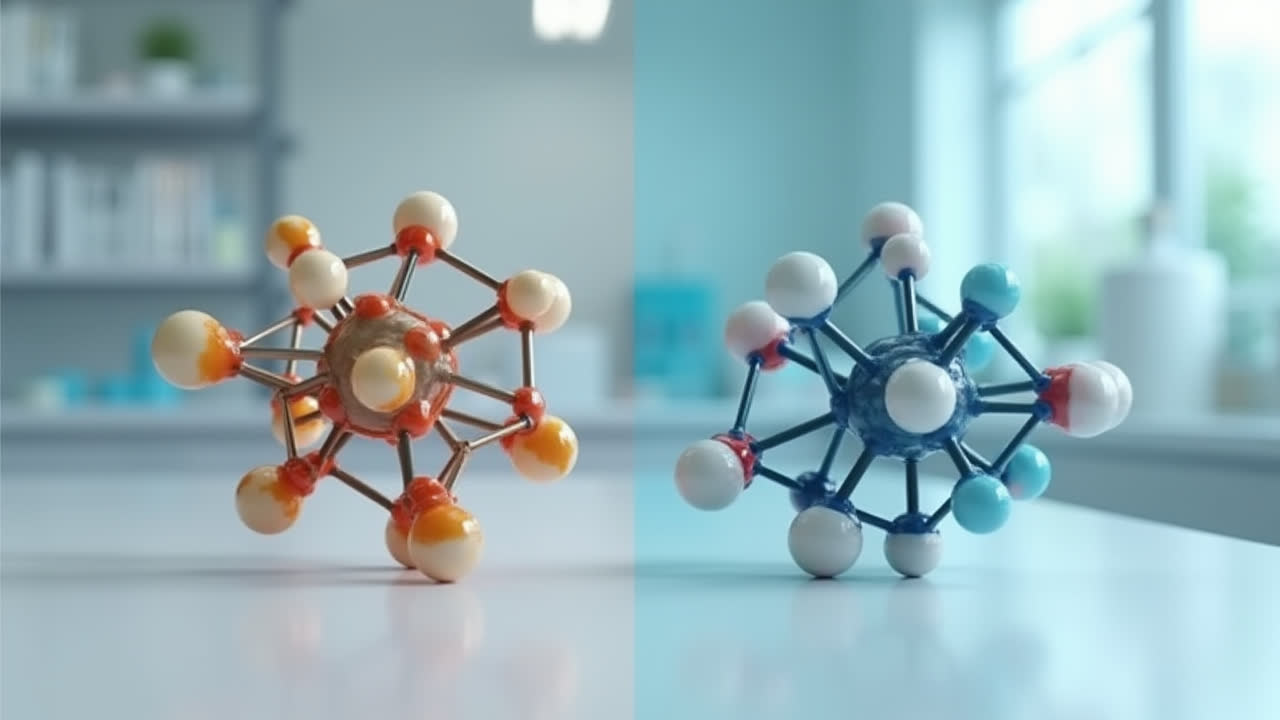
When examining kinases and phosphorylases side by side, several key differences emerge in their mechanisms, substrates, and cellular roles. Below is a comprehensive comparison that highlights the most significant distinctions between these enzyme families:
| Characteristic | Kinase | Phosphorylase |
|---|---|---|
| Definition | Enzyme that transfers phosphate groups from ATP to specific substrates | Enzyme that catalyzes phosphorylation using inorganic phosphates |
| Phosphate Source | High-energy molecules (primarily ATP) | Inorganic phosphate (Pi) |
| Substrate Types | Proteins, lipids, carbohydrates, nucleic acids | Primarily polysaccharides (glycogen, starch) |
| Bond Breaking | Generally does not break bonds in the substrate | Breaks bonds in substrate during phosphorylation |
| Metabolic Role | Often involved in anabolic or regulatory pathways | Primarily involved in catabolic pathways |
| Regulatory Mechanisms | Primarily regulated by phosphorylation | Regulated by phosphorylation and allosteric mechanisms |
| Energy Relationship | Often consumes energy (ATP → ADP) | Often part of energy-yielding processes |
| Common Examples | Protein kinases, lipid kinases, hexokinase | Glycogen phosphorylase, starch phosphorylase |
One fundamental difference that stands out to me is how these enzymes interact with their substrates. While kinases typically add phosphate groups without breaking bonds in the substrate, phosphorylases actively break bonds during the phosphorylation process. This distinction reflects their different biological roles—kinases often modify molecules to change their function, while phosphorylases typically break down larger molecules into smaller, usable components.
The energy relationships also differ significantly. Kinases generally consume energy in the form of ATP, making them suitable for anabolic (building) and regulatory processes. In contrast, phosphorylases are often involved in catabolic (breakdown) pathways that eventually yield energy for the cell. This complementary relationship allows cells to maintain energy homeostasis, building up reserves when energy is plentiful and breaking them down when needed.
Biological Significance and Applications
The distinct functions of kinases and phosphorylases have profound implications for biological processes and medical applications. Kinases are central players in cellular signaling networks, with protein kinases alone comprising about 2% of the human genome. Their critical role in regulating cell growth, division, and death makes them important targets for drug development, particularly in cancer treatment where dysregulated kinase activity often drives tumor growth.
I've followed the development of kinase inhibitors with great interest over the years. These drugs have revolutionized cancer treatment, offering targeted therapies that attack cancer cells while sparing healthy tissues. Imatinib (Gleevec), for instance, targets a specific kinase in chronic myeloid leukemia, transforming what was once a deadly disease into a manageable condition for many patients. Dozens of other kinase inhibitors have since been developed, highlighting the therapeutic potential of understanding these enzymes.
Phosphorylases, with their role in energy metabolism, are equally important from both physiological and pathological perspectives. Glycogen storage diseases, a group of inherited disorders, often involve defects in glycogen phosphorylase or related enzymes. These conditions can lead to abnormal glycogen accumulation in tissues, causing issues ranging from mild exercise intolerance to severe liver and muscle dysfunction.
Beyond their roles in disease, both enzyme families participate in normal physiological processes that affect our daily lives. When you exercise, phosphorylases mobilize glycogen to fuel your muscles. When you eat a meal, kinases help coordinate the metabolic response, ensuring nutrients are properly processed and stored. Even as you read this article, countless kinases and phosphorylases are working in your brain cells, supporting the energy needs of neural activity.
Research into these enzymes continues to uncover new insights. Recent advances in structural biology have revealed the intricate three-dimensional structures of many kinases and phosphorylases, providing blueprints for designing more effective and selective drugs. Meanwhile, systems biology approaches are mapping the complex networks in which these enzymes operate, helping us understand how they coordinate cellular activities on a global scale.
Frequently Asked Questions About Kinases and Phosphorylases
How do kinases and phosphorylases differ in their energy requirements?
Kinases require energy in the form of ATP (adenosine triphosphate) to function, using the high-energy phosphate bonds in ATP to transfer phosphate groups to their substrates. This makes kinase reactions energy-consuming processes. In contrast, phosphorylases do not require ATP but instead use inorganic phosphate directly from the cellular environment. Phosphorylase reactions are often part of catabolic pathways that eventually produce energy for the cell, making them indirectly involved in energy generation rather than consumption.
Can a single enzyme function as both a kinase and a phosphorylase?
While kinases and phosphorylases are defined by distinct mechanisms, some enzymes exhibit multiple catalytic activities. However, true dual-function enzymes that act as both kinases and phosphorylases are extremely rare. Most enzymes specialize in one type of catalytic activity due to their specific active site architecture. Some enzymes may appear to have dual functions because they participate in complex reaction sequences, but they typically catalyze either kinase or phosphorylase reactions, not both simultaneously. The specialization allows for more efficient catalysis and precise regulation of each enzymatic function.
What role do kinases and phosphorylases play in metabolic disorders?
Both kinases and phosphorylases are implicated in various metabolic disorders. Defects in specific phosphorylases can cause glycogen storage diseases, where the body cannot properly break down glycogen, leading to its accumulation in tissues. For example, McArdle disease results from mutations in the muscle glycogen phosphorylase gene. On the kinase side, mutations in the insulin receptor kinase can contribute to insulin resistance and type 2 diabetes, while deficiencies in pyruvate kinase can cause a form of hereditary hemolytic anemia. Additionally, dysregulation of protein kinases is associated with cancer, inflammatory diseases, and neurological disorders, making these enzymes important therapeutic targets.
Conclusion: Understanding the Complementary Roles
Kinases and phosphorylases represent two sides of a biochemical coin, working in complementary ways to maintain cellular function and energy balance. While kinases typically add phosphate groups from ATP to modify substrate function without breaking bonds, phosphorylases use inorganic phosphate to cleave bonds in their substrates, often releasing energy-rich molecules for metabolism.
These distinct mechanisms allow cells to carefully orchestrate their biochemical activities, building up complex molecules when energy is plentiful and breaking them down when energy is needed. The precision with which these enzymes operate, often regulated by complex feedback mechanisms, speaks to the elegant design of cellular metabolism.
As our understanding of these enzymes continues to deepen, we're uncovering new potential applications in medicine, biotechnology, and beyond. From targeted cancer therapies to treatments for metabolic disorders, insights into kinase and phosphorylase function are translating into practical benefits for human health.
Next time you exercise or enjoy a meal, take a moment to appreciate the countless kinases and phosphorylases working tirelessly in your cells, ensuring that energy is properly stored, mobilized, and utilized according to your body's needs. These microscopic molecular machines, though invisible to the naked eye, are essential partners in our journey through life.