Induced vs Spontaneous Mutation: Understanding Critical Genetic Changes
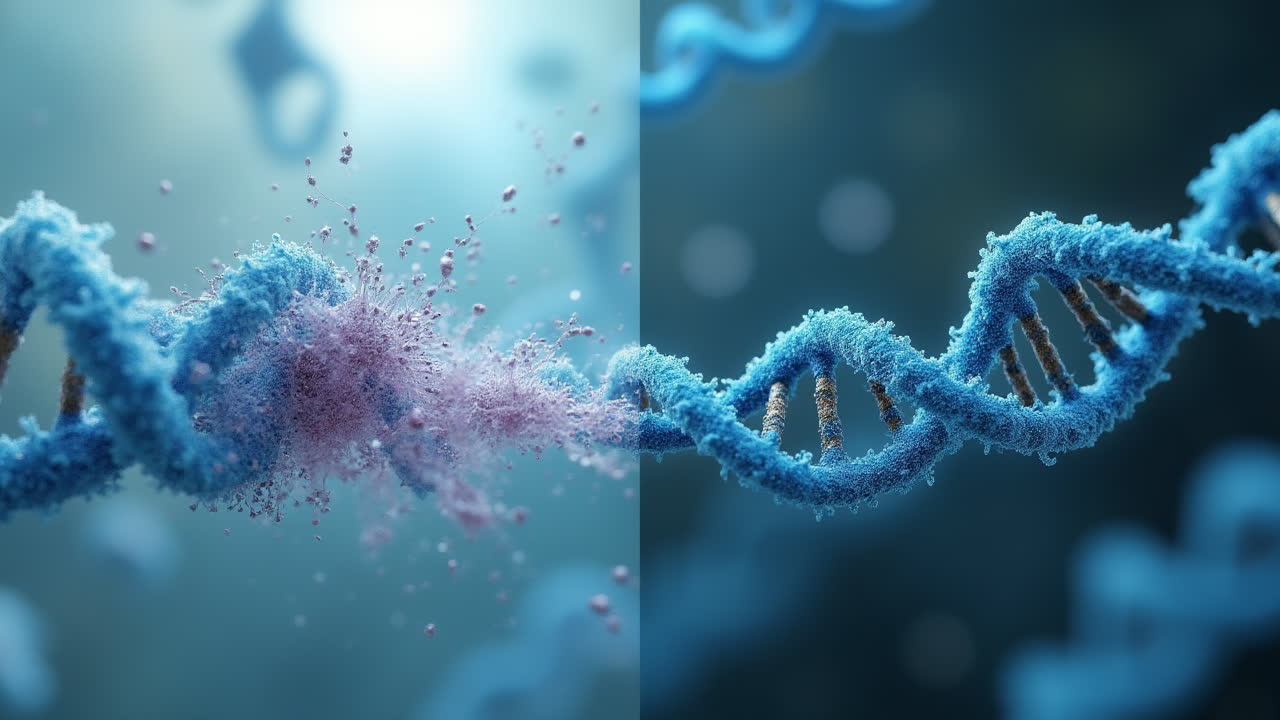
When we talk about evolution, adaptation, and even certain diseases, mutations play a central role in these biological processes. These genetic alterations are the foundation of diversity among species and within populations. But did you know that not all mutations are created equal? Some occur naturally within our cells, while others are triggered by external factors. Understanding the difference between induced and spontaneous mutations gives us crucial insights into how genetic changes happen and their implications for life on Earth.
I've always been fascinated by how small changes in our DNA can lead to such significant outcomes—from beneficial adaptations that help species survive to harmful mutations that cause diseases. Throughout my years studying genetics, the distinction between mutations that happen on their own versus those caused by outside influences has been particularly intriguing. Let's dive into this genetic journey together!
What Are Genetic Mutations?
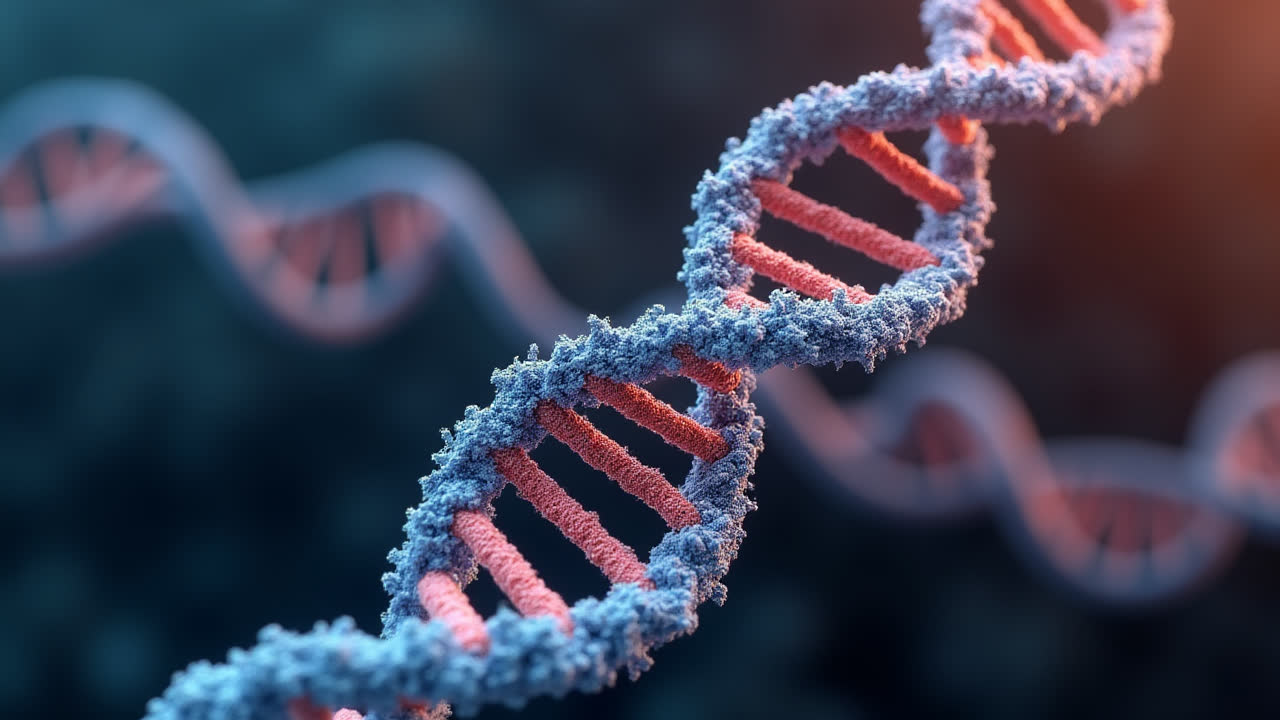
Before we explore the differences, let's establish what mutations actually are. Mutations are permanent changes in the DNA sequence that make up an organism's genome. These changes can affect anything from a single DNA building block (nucleotide) to large segments of chromosomes. What makes mutations so significant is that they're heritable—meaning they can be passed down to future generations if they occur in reproductive cells.
Think of DNA as a complex instruction manual for building and maintaining an organism. A mutation is essentially a change in these instructions. Sometimes these changes are harmless or even beneficial, like a helpful edit that improves the manual. Other times, they can disrupt important functions, like tearing out essential pages. The source of these changes is where induced and spontaneous mutations differ dramatically.
Mutations serve as the raw material for evolution, providing the genetic diversity necessary for natural selection to act upon. Without mutations, all organisms of the same species would be genetically identical, and evolution would come to a standstill. So while we often think of mutations in negative terms (especially in medical contexts), they're actually essential for the adaptation and survival of species over time.
Spontaneous Mutations: Nature's Random Changes
Spontaneous mutations are genetic changes that occur naturally during normal cellular processes, without any external influence from environmental factors. These mutations arise from inherent imperfections in biological mechanisms or from the inherent instability of DNA molecules themselves. Think of them as typos that happen naturally during the copying process of our genetic information.
The primary sources of spontaneous mutations include errors in DNA replication, spontaneous lesions, and the activity of transposable genetic elements. When our cells divide, they must copy their entire genome—all 3 billion base pairs in humans. Despite impressive proofreading mechanisms, mistakes happen at a rate of about one error per billion nucleotides. These replication errors can lead to base substitutions (swapping one nucleotide for another) or more significant changes like insertions or deletions.
Spontaneous lesions represent another major source of natural mutations. Depurination—the loss of purine bases from DNA—occurs about 10,000 times per cell per day in mammals! Similarly, deamination processes can convert cytosine to uracil, resulting in permanent changes if not corrected before the next round of replication. Even the oxygen we breathe can damage our DNA through oxidative stress, creating lesions that may become permanent mutations.
I've always found it remarkable that our cells maintain such genetic stability despite these constant natural challenges. The fact that spontaneous mutations happen at a predictable rate has even allowed scientists to develop the concept of a "molecular clock" that can help trace evolutionary relationships between species. Isn't it fascinating how our bodies handle this delicate balance between genetic stability and the variation needed for evolution?
Induced Mutations: When Environment Alters Genetics
Unlike their spontaneous counterparts, induced mutations occur due to exposure to external agents called mutagens. These environmental factors increase the mutation rate above the natural background level by directly damaging DNA or interfering with cellular mechanisms that maintain genetic integrity. It's like having someone deliberately make changes to our genetic instruction manual rather than changes occurring through random chance.
Mutagens generally fall into two main categories: chemical mutagens and physical mutagens. Chemical mutagens include a diverse array of substances like base analogs (which mimic DNA bases but cause errors), alkylating agents, intercalating agents (which slip between DNA bases), and reactive oxygen species. Physical mutagens primarily consist of various types of radiation, including ultraviolet light and ionizing radiation such as X-rays and gamma rays.
The mechanisms by which induced mutations occur are varied and sometimes quite complex. For example, UV radiation creates distinctive mutations by causing adjacent thymine bases to bond together, forming "thymine dimers" that distort the DNA structure. This distortion can lead to errors during replication. Ionizing radiation, on the other hand, can directly break DNA strands, leading to more dramatic chromosomal rearrangements when repair mechanisms fail.
Chemical mutagens also operate through specific mechanisms. Base analogs like 5-bromouracil structurally resemble thymine but pair with guanine instead of adenine, causing transitions in the DNA sequence. Intercalating agents like acridine orange physically wedge themselves between DNA bases, causing the addition or deletion of nucleotides during replication—a type of mutation called a frameshift.
In my lab work years ago, we used certain chemical mutagens to deliberately induce mutations in bacteria to study gene function. It was always a bit unsettling to realize that similar processes could be happening in our own cells when exposed to environmental mutagens. This understanding has significantly influenced public health policies around radiation safety, chemical regulations, and cancer prevention strategies.
Comparing Induced vs Spontaneous Mutations
| Characteristic | Induced Mutations | Spontaneous Mutations |
|---|---|---|
| Cause/Origin | External environmental agents (mutagens) | Natural cellular processes and DNA instability |
| Rate of Occurrence | Higher when exposed to mutagens | Relatively low and constant natural rate |
| Predictability | More predictable based on specific mutagen | Random and unpredictable |
| Main Mechanisms | Base analog incorporation, mispairing, base damage | Replication errors, spontaneous lesions, transposable elements |
| Examples of Agents | UV radiation, X-rays, alkylating agents, base analogs | No external agents; natural biochemical processes |
| Preventability | Often preventable by avoiding mutagens | Generally not preventable; fundamental to life |
| Research Applications | Commonly used in reverse genetics | Important in forward genetics approaches |
| Evolutionary Significance | Can cause rapid adaptive responses to environmental changes | Provides constant background rate of variation for selection |
Significance in Genetics and Evolution
Both types of mutations play crucial but somewhat different roles in genetics and evolution. Spontaneous mutations provide the steady background rate of genetic variation that fuels the gradual process of evolution through natural selection. These random changes allow populations to adapt to slowly changing environments over many generations. Without this constant source of new genetic material, evolution as we know it would be impossible.
In contrast, induced mutations can cause more rapid changes in response to environmental stressors. When populations face sudden environmental challenges—like exposure to a new toxin or dramatic climate change—induced mutations might accelerate the rate at which beneficial adaptations appear. However, there's a trade-off: the same increase in mutation rate that might produce beneficial adaptations also increases the likelihood of harmful mutations.
From a research perspective, both types of mutations have proven invaluable. Spontaneous mutations form the basis of forward genetics—where scientists identify genes based on mutant phenotypes that arise naturally. Induced mutations, meanwhile, are fundamental to reverse genetics approaches, where researchers deliberately create mutations in specific genes to study their function.
I remember visiting a research facility where scientists were using chemical mutagens to study plant adaptation to drought conditions. They could accomplish in months what might take decades or centuries through spontaneous mutation alone. The ethical implications of induced mutations in various contexts—from agriculture to human health—continue to be an area of fascinating and sometimes contentious debate.
Practical Implications and Real-World Examples
The distinction between induced and spontaneous mutations has significant practical implications across multiple fields. In medicine, understanding that certain mutations are induced by environmental factors has led to important public health initiatives. For instance, we now know that UV radiation from sun exposure can induce mutations in skin cells that lead to skin cancer, which is why sun protection is so strongly emphasized.
Similarly, the recognition that chemical compounds in cigarette smoke induce mutations in lung cells has informed anti-smoking campaigns and policies. The relationship between induced mutations and cancer has become a cornerstone of our understanding of carcinogenesis, with implications for prevention, diagnosis, and treatment strategies.
In agriculture and food production, both types of mutations have been harnessed for human benefit. Traditional plant breeding often relies on spontaneous mutations that produce desirable traits. More modern approaches might use radiation or chemicals to induce mutations, creating varieties with improved yield, disease resistance, or nutritional content. Many commercial crop varieties we consume today were developed through mutation breeding techniques.
The field of genetic toxicology focuses specifically on identifying substances that can induce mutations, with the goal of regulating or restricting their use to protect public health. The Ames test, which uses bacteria to detect potentially mutation-inducing substances, has been instrumental in screening chemicals for potential carcinogenicity before they enter widespread use.
Have you ever wondered why hospital workers step behind protective barriers during X-rays? Or why certain chemicals require special handling? These safety measures directly reflect our understanding of induced mutations and their potential consequences—knowledge that has undoubtedly saved countless lives.
Frequently Asked Questions
Can lifestyle choices affect mutation rates in human cells?
Yes, certain lifestyle choices can significantly influence the rate of induced mutations in your cells. Exposure to cigarette smoke, excessive alcohol consumption, and unprotected sun exposure are all known to increase mutation rates. Cigarette smoke contains numerous chemical mutagens that can induce DNA damage in lung cells and other tissues. UV radiation from the sun is a powerful physical mutagen that can cause characteristic mutations in skin cells, potentially leading to skin cancer. On the positive side, diets rich in antioxidants may help protect DNA from oxidative damage, potentially reducing certain types of mutations. Regular exercise has also been associated with improved DNA repair mechanisms, which help prevent mutations from becoming permanent.
How do scientists deliberately induce mutations in laboratory settings?
Scientists use several controlled methods to induce mutations for research purposes. Common approaches include:
- Exposure to chemical mutagens such as ethyl methanesulfonate (EMS), which adds alkyl groups to DNA bases
- Treatment with base analogs like 5-bromouracil that get incorporated into DNA during replication
- Irradiation with UV light or X-rays at specific doses
- More targeted approaches like CRISPR-Cas9 gene editing, which allows for precise mutations at specific locations
- Transposon mutagenesis, where mobile genetic elements are used to disrupt genes
The choice of method depends on the research goals, with some techniques producing random mutations across the genome and others allowing for site-specific changes. These induced mutations help scientists study gene function, develop new crop varieties, and model genetic diseases.
Are all mutations harmful, or can they sometimes be beneficial?
Mutations can have a range of effects, from harmful to beneficial or neutral. While we often associate mutations with genetic disorders and cancer, they're also the driving force behind evolution and adaptation. Beneficial mutations have enabled important adaptations throughout evolutionary history—like lactose tolerance in humans, antibiotic resistance in bacteria (beneficial for them, though problematic for us!), and various adaptations to extreme environments. Many mutations are actually neutral, having no noticeable effect on an organism's fitness. The classic example is "silent mutations" that change the DNA sequence but don't alter the amino acid sequence of the resulting protein. The ratio of harmful to beneficial mutations depends on many factors, including how well-adapted an organism already is to its environment. In a well-adapted organism, random changes are more likely to disrupt finely-tuned systems than to improve them.
Conclusion
The distinction between induced and spontaneous mutations highlights the complex interplay between our genes and the environment. Spontaneous mutations arise from the inherent imperfections in cellular processes and provide the baseline genetic variation essential for evolution. Induced mutations, triggered by environmental exposures, can dramatically increase mutation rates and have significant implications for both public health and beneficial applications in research and agriculture.
Understanding these differences isn't just academic—it informs everything from cancer prevention strategies to crop improvement programs. It reminds us that while our genetic code is remarkably stable, it's also constantly changing, both through unavoidable natural processes and through our interactions with the world around us.
As we continue to explore the frontiers of genetics and genomics, the study of mutations—both induced and spontaneous—will remain central to our understanding of life's diversity, adaptability, and resilience. After all, without these changes in our DNA, none of the amazing biodiversity we see on Earth today would exist. Isn't it remarkable that the same fundamental processes that can cause genetic diseases also make evolution and adaptation possible?