Homopolymer vs Copolymer: Essential Differences Explained
Introduction to Polymers
In the vast world of materials science, polymers stand as one of the most versatile and widely used substances. These macromolecules are formed through a process called polymerization, where smaller molecular units known as monomers link together to create long chains. The fascinating aspect of polymer chemistry lies in how the arrangement and types of these monomers drastically influence the properties of the resulting material.
When diving into polymer science, two fundamental classifications emerge: homopolymers and copolymers. The distinction between these two forms the basis for understanding more complex polymer structures and their applications across industries ranging from packaging and construction to medical devices and electronics. Have you ever wondered why some plastic products feel different from others, despite looking similar? The answer often lies in whether they're made from a homopolymer or copolymer.
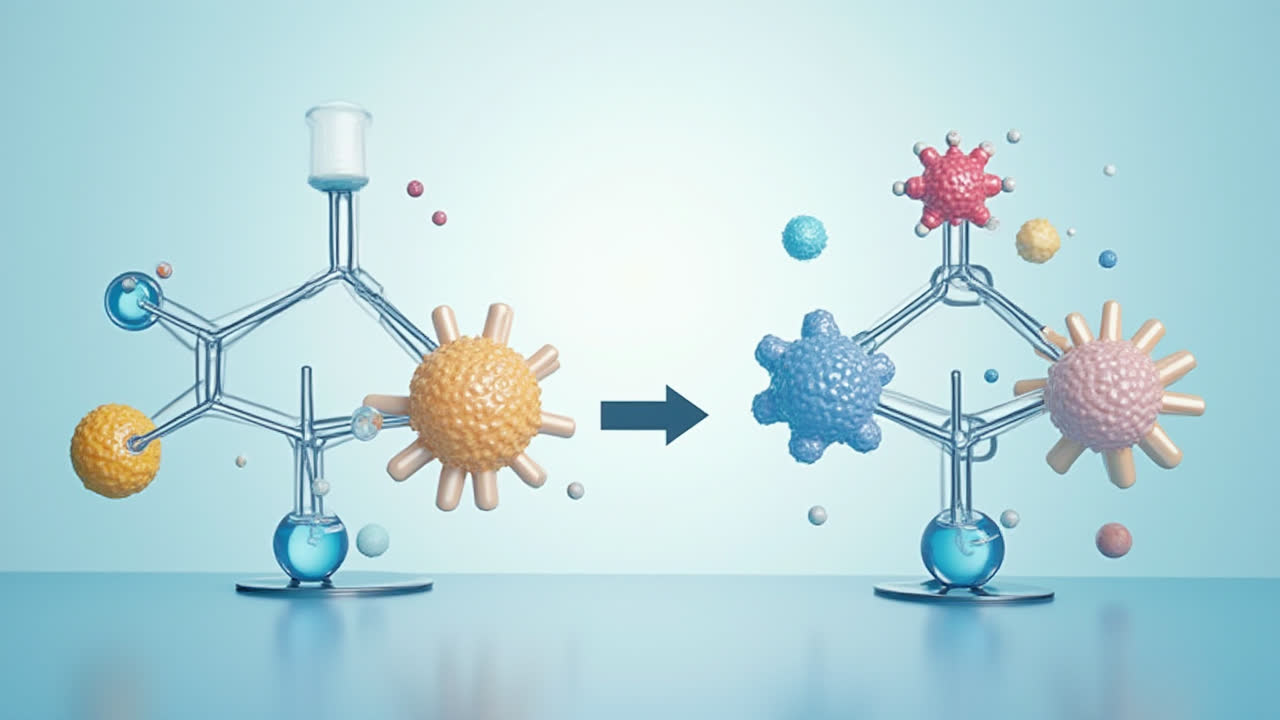
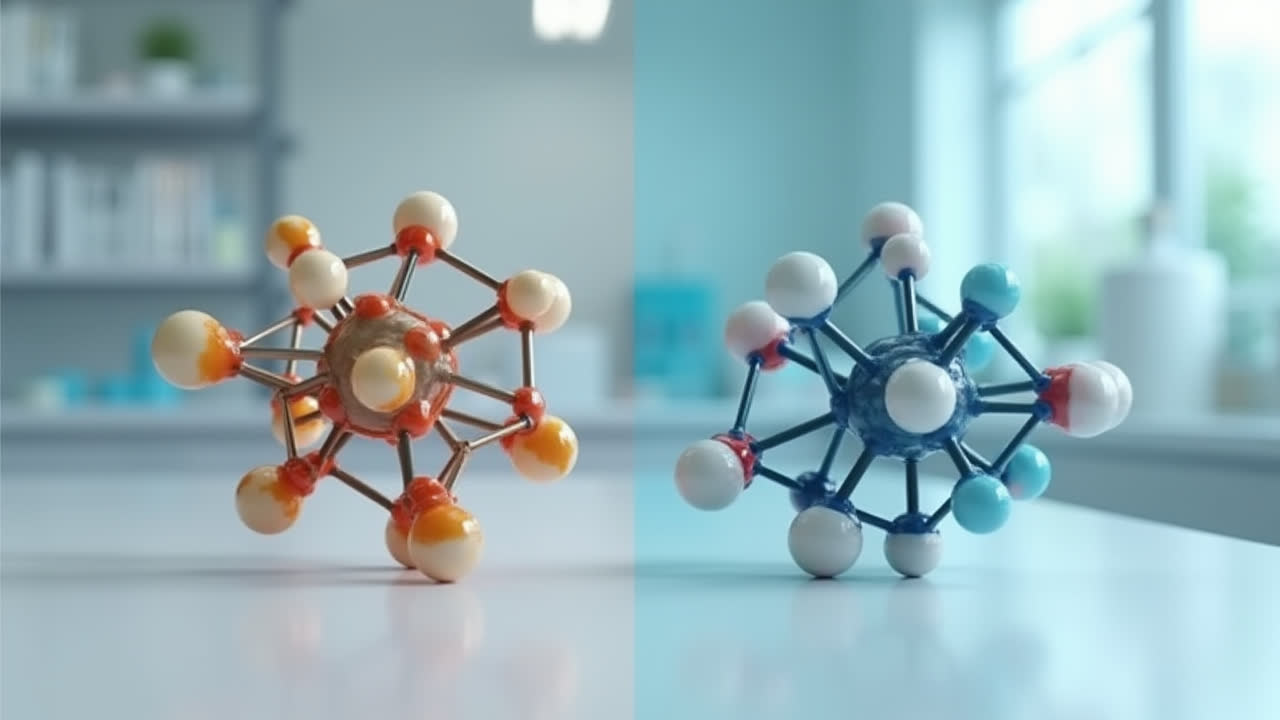
But what exactly makes these two polymer types different? At its core, the difference is quite simple – it's all about the building blocks. A homopolymer is made from identical monomers linked together in a chain, while a copolymer consists of two or more different types of monomers. This seemingly small variation leads to remarkably different properties and applications. Let's explore these differences in detail and understand how they shape the materials we use every day.
What is a Homopolymer?
A homopolymer is the simplest form of polymer, formed from identical repeating units or monomers. Think of it as a chain made of only one type of link. This uniformity in structure gives homopolymers predictable and consistent properties. The repeating unit is usually represented within brackets, followed by a subscript 'n' indicating the number of repeats, such as –[X]n–.
The formation of homopolymers typically occurs through addition polymerization, a process requiring monomers with double or triple bonds. During this reaction, these bonds break to form new bonds between monomers, creating the polymer chain without generating any byproducts. This clean reaction is one reason why homopolymers can be manufactured efficiently on an industrial scale.
Naming conventions for homopolymers usually involve adding the prefix "poly" to the name of the monomer. For instance, when ethylene monomers polymerize, they form polyethylene. Similarly, propylene forms polypropylene, and styrene creates polystyrene. I've always found it interesting how these simple naming rules help us immediately identify the building blocks of common plastics we encounter daily.
Common examples of homopolymers include polyethylene (used in plastic bags and bottles), polypropylene (found in food containers and automotive parts), polystyrene (used in packaging and insulation), polyvinyl chloride or PVC (common in pipes and vinyl siding), and polytetrafluoroethylene or PTFE (known commercially as Teflon). Each of these materials has unique properties stemming from its specific monomer structure, despite all being homopolymers.
What is a Copolymer?
Unlike homopolymers, copolymers are formed from two or more different types of monomers. This diversity in building blocks creates materials with properties that can be carefully tailored to specific applications. It's like having a chain made of different types of links, arranged in various patterns. This versatility makes copolymers incredibly valuable in modern materials engineering.
Copolymers are primarily formed through condensation polymerization, a process where the reaction between monomers generates byproducts such as water. This reaction mechanism allows for greater control over the arrangement of different monomers in the final polymer chain. Sometimes I think of it as being similar to cooking a complex dish – you need precise control over how ingredients combine to get the desired result.
One of the most fascinating aspects of copolymers is their structural diversity. Depending on how the different monomers are arranged along the polymer chain, copolymers can be classified into several types. Random copolymers have monomers arranged in no particular order. Alternating copolymers feature monomers arranged in an ABABAB pattern. Block copolymers have long sequences of one monomer followed by sequences of another (AAAABBBBAAA). Graft copolymers consist of a main homopolymer chain with branches of a different polymer attached to it.
Examples of common copolymers include poly(ethylene terephthalate) or PET (used in beverage bottles and polyester fibers), acrylonitrile butadiene styrene or ABS (found in automotive parts and electronic housings), styrene-butadiene rubber or SBR (used in car tires), and ethylene vinyl acetate or EVA (used in flexible packaging and sports equipment). Each of these materials showcases how combining different monomers can result in properties not achievable with homopolymers alone.
Homopolymer vs Copolymer: Detailed Comparison
The fundamental difference between homopolymers and copolymers extends far beyond their basic definitions. These differences manifest in their physical properties, chemical behaviors, manufacturing processes, and ultimately, their applications. Let's break down these differences in a comprehensive comparison:
| Characteristic | Homopolymer | Copolymer |
|---|---|---|
| Composition | Single type of monomer | Two or more different monomers |
| Structural Complexity | Simple, uniform structure | Complex, varied arrangements possible |
| Formation Process | Typically addition polymerization | Usually condensation polymerization |
| Property Customization | Limited - properties fixed by monomer type | Highly customizable through monomer ratios and arrangements |
| Thermal Properties | Usually have a defined melting point | Often have a broader melting range |
| Cost | Generally less expensive to produce | Typically more expensive due to complex processing |
| Processing Difficulty | Easier to process and manufacture | More complex processing requirements |
| Common Examples | PE, PP, PS, PVC, PTFE | PET, ABS, SBR, EVA, Nylon copolymers |
Applications in Industry
The distinct properties of homopolymers and copolymers make them suitable for different applications across various industries. Understanding these applications helps appreciate why polymer scientists continue to develop new variations of both types.
Homopolymer applications often leverage their consistency and predictable behavior. Polyethylene, the most common plastic in the world, is used extensively in packaging, bottles, and films due to its excellent barrier properties and chemical resistance. Polypropylene finds use in everything from food containers to automotive components owing to its good balance of toughness and rigidity. PVC dominates in construction applications like pipes and vinyl siding because of its durability and weather resistance.
On the other hand, copolymer applications typically exploit their customizable properties. ABS plastic combines the strength and rigidity of acrylonitrile and styrene with the toughness of butadiene, making it perfect for demanding applications like automotive body parts and electronic housings. PET copolymers offer improved clarity and barrier properties compared to homopolymers, making them ideal for beverage bottles. Styrene-butadiene copolymers provide the perfect balance of properties needed for tire manufacturing.
In the medical field, copolymers often dominate due to their customizable biocompatibility and degradation rates. For instance, poly(lactic-co-glycolic acid) or PLGA, a copolymer of lactic acid and glycolic acid, is used in absorbable sutures and drug delivery systems. Its degradation rate can be precisely controlled by adjusting the ratio of the two monomers – something not possible with homopolymers.
The electronics industry also heavily relies on both polymer types. Homopolymers like polytetrafluoroethylene (PTFE) provide excellent electrical insulation and heat resistance for wire coatings. Meanwhile, conductive copolymers combining different monomers enable the development of flexible electronics and displays, showcasing how the complexity of copolymers enables cutting-edge applications.
Advantages and Limitations
Both homopolymers and copolymers offer distinct advantages and face certain limitations that influence their selection for specific applications. These factors often guide engineers and designers when choosing materials for new products.
Homopolymers typically shine in scenarios requiring consistent and predictable material behavior. Their uniform structure results in well-defined melting points, mechanical properties, and processing conditions. This makes manufacturing more straightforward and often more economical. Additionally, homopolymers usually offer excellent purity since they contain only one type of repeating unit, which can be critical in certain applications like medical devices or food packaging.
However, homopolymers face limitations due to their structural simplicity. They may lack specific properties needed for challenging applications, such as impact resistance combined with high heat tolerance. Their performance is essentially fixed by the characteristics of their single monomer, limiting customization options. I've often seen engineering teams hit walls when trying to push homopolymers beyond their inherent capabilities.
Copolymers excel when applications demand a combination of properties not available from homopolymers. Their multi-monomer composition allows engineers to fine-tune characteristics like flexibility, impact resistance, chemical resistance, and processing behavior. This versatility makes copolymers invaluable for specialized applications with complex performance requirements.
The primary disadvantages of copolymers revolve around complexity and cost. Their production typically requires more sophisticated polymerization processes and tighter control of reaction conditions. This complexity translates to higher costs and potentially more variable properties between production batches. Additionally, predicting copolymer properties can be challenging, often requiring extensive testing rather than relying solely on theoretical models.
Frequently Asked Questions
How can you tell if a polymer is a homopolymer or copolymer?
Determining whether a polymer is a homopolymer or copolymer typically requires analyzing its chemical structure. Spectroscopic techniques like Nuclear Magnetic Resonance (NMR) can identify the different types of chemical bonds present. Homopolymers show uniform spectral patterns corresponding to a single repeating unit, while copolymers display more complex spectra reflecting their diverse monomer composition. Differential Scanning Calorimetry (DSC) can also provide clues, as homopolymers often exhibit sharper melting transitions compared to the broader transitions of copolymers.
Which is stronger, homopolymer or copolymer?
The strength comparison between homopolymers and copolymers isn't straightforward, as strength depends on specific compositions rather than the general classification. Some homopolymers like high-density polyethylene (HDPE) offer excellent tensile strength, while others may be brittle. Similarly, some copolymers like ABS provide outstanding impact resistance, while others might prioritize different properties. Copolymers often have an advantage in that they can be engineered to combine strength with other desirable properties like flexibility or heat resistance, creating balanced performance profiles not possible with homopolymers.
Are biodegradable polymers typically homopolymers or copolymers?
Biodegradable polymers exist in both homopolymer and copolymer forms, though copolymers often dominate this space due to their tunable degradation profiles. Polylactic acid (PLA) is a common biodegradable homopolymer used in packaging and medical applications. However, many commercially important biodegradable materials are copolymers, such as poly(lactic-co-glycolic acid) (PLGA), which allows precise control of degradation rates by adjusting the ratio of lactic acid to glycolic acid. This tunability makes copolymers particularly valuable in applications requiring specific degradation timeframes, such as medical implants or controlled-release drug delivery systems.
Conclusion
The distinction between homopolymers and copolymers represents one of the fundamental concepts in polymer science and materials engineering. While homopolymers offer simplicity, consistency, and often lower costs, copolymers provide versatility, customization, and tailored performance for specific applications. Neither type is inherently superior – the choice depends entirely on the requirements of the specific application.
As materials technology continues to advance, we're likely to see further innovations in both homopolymer and copolymer development. New catalysts and polymerization techniques are enabling greater control over polymer architectures, while computational modeling allows scientists to predict properties before synthesis. These advances promise to expand the already impressive range of polymer applications across industries.
Understanding the differences between these polymer types provides a foundation for appreciating the incredible diversity of plastic materials we encounter every day. From the homopolymer bottle in your refrigerator to the complex copolymer components in your electronic devices, these materials represent remarkable achievements in chemical engineering and continue to shape our modern world in countless ways.