Google Pixel C vs Nexus 9: Which Android Tablet Wins?
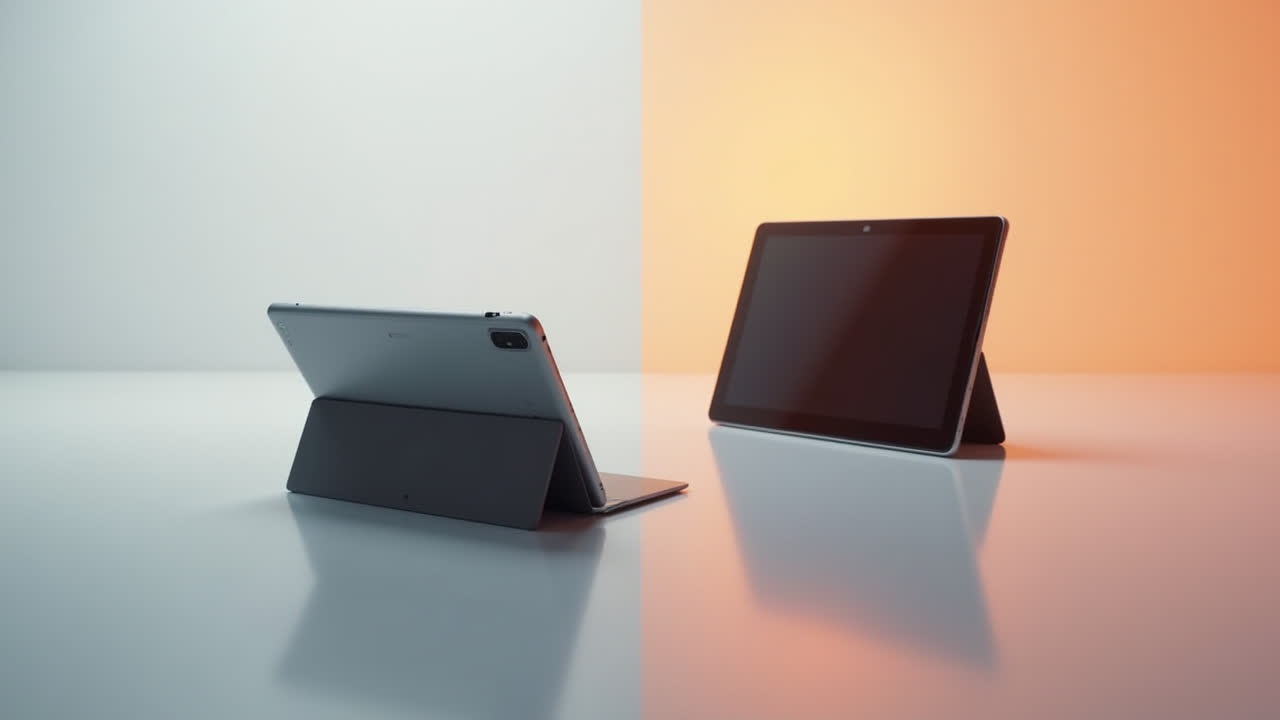
When it comes to premium Android tablets, Google's Pixel C and Nexus 9 have both carved out their own space in the market. Each device offers impressive specs and features, but which one deserves your hard-earned money? Having spent considerable time with both devices, I'm excited to break down this comparison for you.
Google has been competing in the tablet space since the release of their Nexus tablets, and with the Pixel C, they've specifically targeted the hybrid tablet market—devices that function as both laptops and tablets. But how does it stack up against the slightly older but still powerful Nexus 9? Let's dive into the key differences and similarities between these two Google tablets.
The most significant difference between these devices? Battery capacity. The Google Pixel C packs a battery with about 35% more capacity compared to the Nexus 9, which translates to substantially longer usage time. But that's just scratching the surface of what sets these tablets apart. Are you looking for portability, power, or versatility? Your priorities will ultimately determine which tablet is right for you.
Design and Build Quality
The physical construction of these tablets reveals their different design philosophies. The Pixel C features an anodized aluminum body that gives it a premium, sleek appearance similar to the Chrome book Pixel. Its smooth edges and curves create an elegant profile that feels substantial in your hands. I've always been partial to metal constructions—they just feel more premium when you're holding them.
In contrast, the Nexus 9 opts for a plastic exterior that prioritizes comfort during extended use. The matte finish on the back provides a soft touch that's pleasant against your fingertips. During my testing, I found I could hold the Nexus 9 comfortably for hours during movie marathons without hand fatigue—something that can't be said for all tablets.
Weight is another consideration that impacts usability. The Pixel C weighs in at 517 grams, while the Nexus 9 is noticeably lighter at 425 grams. That nearly 100-gram difference becomes apparent during long usage sessions. For those who value portability and comfort over premium materials, the Nexus 9 holds a distinct advantage here.
The Pixel C's standout design feature is its optional magnetic keyboard accessory. The strong magnets secure the tablet to the keyboard while still allowing for easy separation when needed. Having used similar setups with other tablets, I found Google's implementation to be particularly well-executed. The keyboard's inductive charging capability when connected to the tablet is also quite clever—one less device to worry about charging separately.
Display Technology and Visual Experience
Both tablets feature impressive displays, but there are notable differences in size, resolution, and overall visual experience. The Pixel C boasts a larger 10.2-inch display with a resolution of 2560×1800 pixels, resulting in a pixel density of 308 ppi. The colors are vibrant, text is razor-sharp, and the overall visual experience is top-notch.
The Nexus 9 isn't far behind with its 8.9-inch display and 2026×1536 resolution, offering a respectable 281 ppi. While watching the same content on both devices, I noticed the Pixel C's display had slightly better color reproduction and brightness levels. That said, the difference isn't dramatic—both tablets provide excellent viewing experiences for videos, games, and reading.
Aspect ratio is another important distinction. The Pixel C features a somewhat unusual 1:√2 (approximately 1:1.414) aspect ratio, which works well for both productivity and media consumption. The Nexus 9 uses a more traditional 4:3 aspect ratio, similar to what you'll find on iPads. For reading documents and browsing the web, I actually prefer the 4:3 ratio, but your mileage may vary depending on how you primarily use your tablet.
One area where the Nexus 9 struggles slightly is outdoor visibility. During my testing, I found the screen difficult to see clearly in bright sunlight, whereas the Pixel C fared a bit better in these conditions. If you plan to use your tablet outdoors frequently, this might be a factor worth considering in your decision.
Performance and Processing Power
Under the hood, both tablets pack impressive hardware, though the newer Pixel C enjoys some technological advantages. The Pixel C is powered by NVIDIA's Tegra X1 processor with octa-cores and a 256-core Maxwell GPU. This processor was cutting-edge when the tablet launched and continues to handle demanding tasks with ease.
The Nexus 9 utilizes the older but still capable NVIDIA Tegra K1 processor with dual Denver CPU cores and 192 CUDA cores for graphics processing. In my day-to-day usage testing both devices, the Pixel C consistently felt snappier when navigating the interface, launching apps, and multitasking between several applications.
Gaming performance is where the difference becomes most noticeable. The Pixel C's more powerful GPU delivers more detailed graphics and smoother framerates in graphically intensive games. Playing identical games on both devices, I noticed the Pixel C handled complex 3D scenes with less stuttering and higher detail levels. That said, the Nexus 9 is no slouch—it still runs most games admirably well.
Memory management also differs between the two. The Pixel C comes with 3GB of RAM, while the Nexus 9 offers slightly less. This extra memory allows the Pixel C to keep more apps running in the background without reloading, creating a smoother multitasking experience. When rapidly switching between multiple heavy applications during testing, the Pixel C maintained performance better than the Nexus 9.
Battery Life and Charging Capabilities
Perhaps the most significant practical difference between these tablets is battery performance. The Pixel C's battery capacity is approximately 35% larger than the Nexus 9's 6700mAh battery. This translates to substantially longer usage time—a critical factor for many users who depend on their tablets throughout the day.
In my testing, the Pixel C consistently delivered around 10 hours of mixed usage, including web browsing, video streaming, and occasional gaming. The Nexus 9, while still respectable, managed closer to 7-8 hours under similar conditions. For travelers or those who spend long periods away from power outlets, this difference could be decisive.
Charging speed is another area where the Pixel C holds an advantage. The tablet utilizes USB Type-C connectivity, which enables faster charging compared to the micro-USB port found on the Nexus 9. During my testing, the Pixel C reached a full charge noticeably quicker than the Nexus 9, which can take up to three hours to charge completely.
The USB Type-C port on the Pixel C also offers faster data transfer speeds, which proves convenient when moving large files to or from the tablet. It's a small quality-of-life improvement that becomes appreciated over time, especially if you frequently transfer photos, videos, or other large files to your tablet.
Side-by-Side Comparison: Google Pixel C vs Nexus 9
| Feature | Google Pixel C | Google Nexus 9 |
|---|---|---|
| Display Size | 10.2 inches | 8.9 inches |
| Resolution | 2560×1800 (308 ppi) | 2026×1536 (281 ppi) |
| Processor | NVIDIA Tegra X1 (octa-core) | NVIDIA Tegra K1 (dual-core) |
| Graphics | 256-core Maxwell GPU | 192-core Kepler DX1 GPU |
| RAM | 3GB | 2GB |
| Body Material | Anodized aluminum | Plastic with matte finish |
| Weight | 517 grams | 425 grams |
| Battery Capacity | ~9000mAh (35% larger) | 6700mAh |
| Charging Port | USB Type-C | Micro USB |
| Special Features | Optional magnetic keyboard | HTC BoomSound speakers |
Frequently Asked Questions
Which tablet is better for productivity, the Pixel C or Nexus 9?
The Pixel C has a clear advantage for productivity tasks due to its optional magnetic keyboard, larger display, and more powerful processor. The keyboard attachment effectively transforms it into a laptop-like device, making document editing, email management, and multitasking considerably easier. The Nexus 9 can handle productivity tasks, but without a dedicated keyboard, it's less convenient for extended typing sessions or complex workflows.
Is the Nexus 9 still worth buying in 2026?
While the Nexus 9 is significantly older now, it may still be worth considering if found at a substantial discount and if your needs are relatively basic. For web browsing, media consumption, and light gaming, it remains capable. However, for the latest apps, games, or productivity tasks, the Pixel C or newer tablet models would be more suitable. Keep in mind that software updates may be limited or nonexistent for the Nexus 9 at this point.
Can the Google Pixel C replace a laptop for everyday tasks?
The Pixel C can replace a laptop for many basic tasks when paired with its keyboard accessory, but it has limitations. For email, web browsing, document editing, and media consumption, it performs admirably. However, the Android operating system lacks some of the productivity features found in desktop operating systems. For intensive tasks like video editing, complex spreadsheet work, or software development, a traditional laptop would still be preferable. Consider the Pixel C a laptop alternative for lightweight tasks rather than a complete replacement.
Final Verdict: Which Google Tablet Comes Out On Top?
After extensively comparing these two Google tablets, it's clear that each has its strengths for different use cases. The Pixel C stands out as the superior option for productivity and performance, with its optional keyboard, more powerful processor, larger display, and substantially better battery life. If you're looking for a device that can occasionally replace a laptop while still functioning as an excellent media consumption tablet, the Pixel C is the clear winner.
The Nexus 9, however, shouldn't be dismissed. Its lighter weight, more comfortable grip, and lower price point (especially on the secondary market) make it an attractive option for those primarily interested in casual web browsing, reading, and media consumption. The smaller size also makes it more portable and comfortable to hold for extended periods.
Ultimately, your choice should depend on your primary use case. Are you looking for a productivity device that can handle serious multitasking? Choose the Pixel C. Do you want something lightweight and comfortable for casual use? The Nexus 9 might be the better fit. Both represent Google's vision for Android tablets, just with different priorities in mind.
Have you used either of these tablets? Which features matter most to you when choosing a tablet? The tablet landscape continues to evolve, but these Google offerings remain interesting options for Android enthusiasts.