Gastrin vs Secretin vs Cholecystokinin: Key Differences Explained
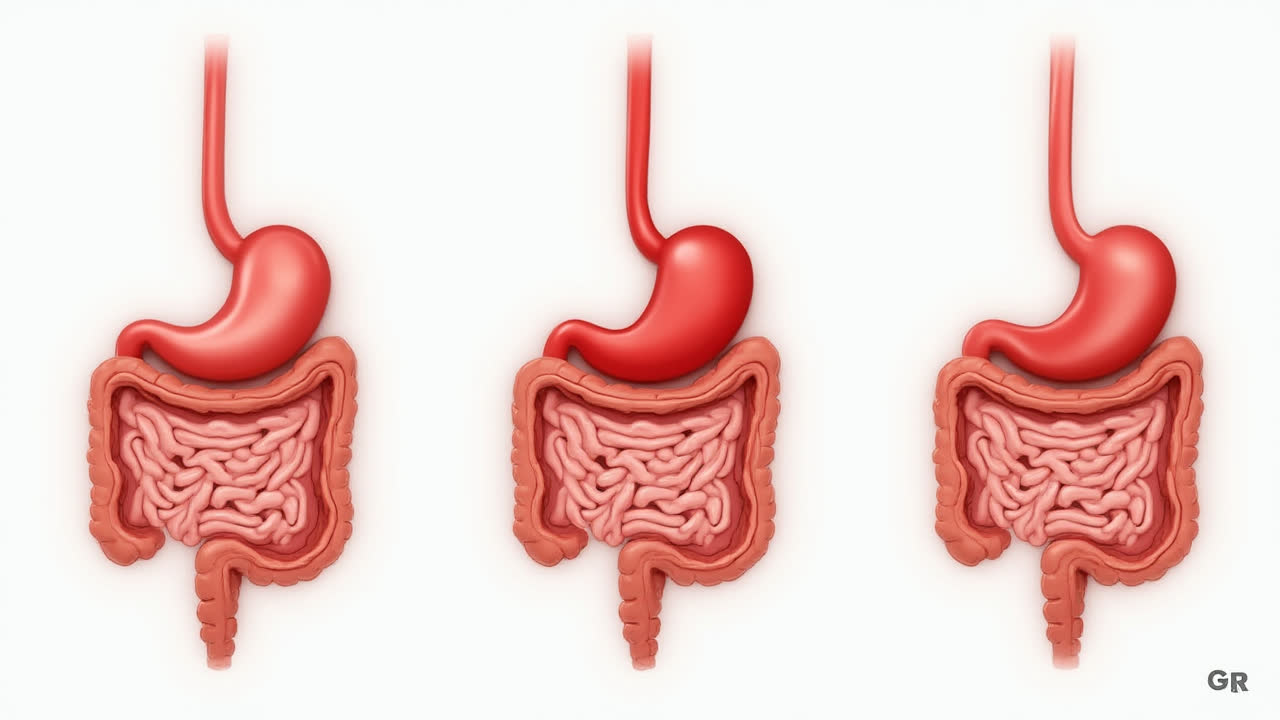
Have you ever wondered how your body manages to coordinate the complex process of digestion? Behind the scenes, there's an intricate dance of hormones orchestrating the breakdown of your food. Among these digestive maestros, gastrin, secretin, and cholecystokinin stand out as three crucial hormones that keep your digestive system functioning smoothly. Today, I'll walk you through the differences between these fascinating hormones and why understanding them matters for your digestive health.
When I first started studying the digestive system, I was amazed at how these tiny molecular messengers could have such profound effects. Each time you eat a meal, these hormones spring into action, ensuring proper digestion by stimulating the release of various digestive enzymes and controlling the movement of food through your gut. But despite their similar overall purpose, they each play unique roles that set them apart from one another.
What is Gastrin? Function and Secretion
Gastrin is a peptide hormone primarily produced by the G cells located in the gastric antrum (lower portion of the stomach) and duodenum (first part of the small intestine). Its main job? To kickstart the production of gastric acid. I find it fascinating how this hormone essentially "turns on the faucet" of stomach acid production, which is absolutely essential for breaking down proteins into smaller components.
When you eat protein-rich foods, the presence of peptides and amino acids in your stomach signals the G cells to release gastrin. Vagal stimulation (through your nervous system) and a hormone called gastrin-releasing peptide (GRP) also trigger gastrin secretion. I've noticed that even the simple act of stomach stretching when you eat a large meal can prompt more gastrin to be released. It's like your stomach saying, "Hey, I've got a lot to handle here—need some acid, please!"
What's particularly interesting is how gastrin works in a feedback loop. Once enough acid has been produced and the stomach pH drops, gastrin secretion slows down. The hormone somatostatin acts as a natural brake, inhibiting gastrin release when sufficient acid is present. This prevents excessive acid production that could damage the stomach lining. In my experience studying digestive disorders, problems with this feedback system can lead to conditions like gastric ulcers or acid reflux.
Beyond acid production, gastrin also enhances gastric motility—the movements that churn and mix food with digestive juices. Additionally, it promotes the growth of gastric mucosa, helping maintain the health of your stomach lining. This multifaceted role makes gastrin far more than just an acid-stimulating hormone; it's a key player in overall stomach health and function.
Understanding Secretin: The Bicarbonate Trigger
Moving down the digestive tract, we encounter secretin, another critical hormone in the digestive orchestra. Produced by S cells in the duodenal mucosa, secretin steps in when the acidic contents from the stomach enter the small intestine. I like to think of secretin as the body's built-in antacid system—it's responsible for neutralizing stomach acid once it's done its job.
The primary trigger for secretin release is the presence of gastric acid in the duodenum. When the highly acidic chyme (partially digested food) moves from the stomach into the duodenum, the low pH stimulates the S cells to release secretin into the bloodstream. This is a perfect example of how our bodies use chemical messengers to coordinate activities between different organs.
Once released, secretin travels to the pancreas and stimulates the secretion of bicarbonate-rich pancreatic fluid. This bicarbonate acts as a buffer, neutralizing the acidic chyme and raising the pH to between 6 and 8—the optimal range for pancreatic enzymes to work. Without this neutralization, the acidic environment would destroy the pancreatic enzymes before they could do their job of breaking down nutrients.
Interestingly, secretin also inhibits gastric acid secretion, essentially telling the stomach, "Enough acid for now!" This dual action—stimulating bicarbonate while inhibiting acid—demonstrates the elegant balance maintained by our digestive hormones. In my research, I've been particularly intrigued by secretin's additional role in osmoregulation in the brain, where it functions similarly to angiotensin II, helping regulate water balance. Who would have thought a digestive hormone could moonlight in the central nervous system?
Cholecystokinin (CCK): The Fat Detector
Cholecystokinin, often abbreviated as CCK, completes our trio of major gastrointestinal hormones. Secreted by I cells in the duodenal mucosa, CCK responds primarily to the presence of fat and protein in the small intestine. I've always found CCK particularly interesting because of its diverse effects throughout the digestive system and beyond.
When fat or protein enters the duodenum, I cells detect these nutrients and release CCK into the bloodstream. The name "cholecystokinin" actually gives us a clue about one of its main functions—"chole" refers to bile, "cyst" refers to the gallbladder, and "kinin" means to move. True to its name, CCK stimulates the gallbladder to contract and release bile, which is essential for fat digestion and absorption.
But CCK doesn't stop there. It also signals the pancreas to release digestive enzymes needed to break down fats, proteins, and carbohydrates. Additionally, it slows gastric emptying, which ensures food stays in the stomach longer for proper mixing and initial digestion before moving to the small intestine. This slowdown gives the body more time to properly digest fats, which are more complex to break down than carbohydrates.
Perhaps most surprising is CCK's role in appetite regulation. Have you ever wondered why fatty foods make you feel fuller faster? That's partly CCK at work! It acts on the brain to promote satiety, helping to signal when you've had enough to eat. This connection between digestive hormones and appetite control is something I find particularly fascinating in my work with patients struggling with weight management.
Beyond the digestive system, CCK plays a role in the central nervous system, where it's associated with anxiety and panic disorders. This gut-brain connection is an emerging area of research that highlights how our digestive system and mental health are more interconnected than we once thought.
Key Differences: Gastrin vs Secretin vs Cholecystokinin
| Characteristic | Gastrin | Secretin | Cholecystokinin (CCK) |
|---|---|---|---|
| Production Site | G cells in gastric antrum and duodenum | S cells in duodenal mucosa | I cells in duodenal mucosa |
| Primary Trigger for Release | Peptides, amino acids, vagal stimulation | Gastric acid in duodenum | Fat and protein in duodenum |
| Main Function | Stimulates gastric acid secretion | Stimulates bicarbonate secretion | Stimulates pancreatic enzyme secretion and gallbladder contraction |
| Effect on Acid Production | Increases HCl secretion | Decreases HCl secretion | Little direct effect on acid secretion |
| Effect on Motility | Increases gastric motility | Minimal effect on motility | Decreases gastric emptying, increases intestinal motility |
| pH Regulation | Lowers stomach pH (more acidic) | Raises duodenal pH (more alkaline) | Minimal direct effect on pH |
| Extra-Digestive Roles | Promotes gastric mucosal growth | Osmoregulation in brain | Appetite regulation, anxiety modulation |
| Inhibition Mechanism | Inhibited by somatostatin and low pH | Inhibited by high duodenal pH | Inhibited when nutrients are fully digested |
Similarities Between These Digestive Hormones
While we've explored the differences between gastrin, secretin, and cholecystokinin, it's worth noting their important similarities. All three are peptide hormones—meaning they're made up of chains of amino acids. They all belong to the endocrine system, though they specifically act in the digestive system, making them part of what we sometimes call the "gut-brain axis."
Each of these hormones follows a similar pattern of action: they're released in response to food intake, travel through the bloodstream to reach their target organs, and control specific aspects of the digestive process. They all work together in a beautifully synchronized manner to ensure that digestion happens efficiently and effectively.
Another similarity I've observed in my studies is that all three hormones operate on feedback loops. They're released when needed and inhibited when their job is done, maintaining homeostasis in the digestive system. This self-regulating property is what allows our digestive system to adapt to different types and quantities of food without constant conscious control.
Understanding the interplay between these hormones helps explain why proper digestion requires precise timing and coordination. When one hormone's function is compromised, it can affect the entire digestive process.
Clinical Significance of Digestive Hormones
Why should we care about these hormones beyond academic interest? Well, imbalances in gastrin, secretin, or cholecystokinin can lead to various digestive disorders. For instance, excessive gastrin production, often due to a condition called Zollinger-Ellison syndrome or gastrinoma, can lead to severe peptic ulcers that don't respond to conventional treatments. I've seen patients suffer from recurrent ulcers for years before this condition was properly diagnosed.
On the flip side, insufficient secretin can impair pancreatic function, leading to improper digestion of nutrients and potential malnutrition. This might manifest as weight loss, diarrhea, and fatty stools (steatorrhea). During my clinical rotations, I remember a patient who struggled with unexplained digestive issues until tests revealed abnormal secretin function.
Cholecystokinin dysfunction can affect gallbladder contraction and emptying, potentially contributing to gallstone formation or biliary dysfunction. Additionally, given CCK's role in appetite regulation, some researchers are investigating its potential in treating obesity and eating disorders. Could modulating CCK levels help people feel fuller longer? It's an intriguing possibility that continues to be explored.
These hormones are also used diagnostically. The secretin stimulation test, for example, is used to diagnose pancreatic problems by measuring pancreatic response to secretin administration. Similarly, abnormal gastrin levels can help diagnose conditions like gastrinomas or atrophic gastritis.
Understanding these hormones has also led to therapeutic applications. Synthetic analogs of these hormones or medications that affect their release or reception are being developed to treat various digestive disorders. For instance, CCK receptor antagonists are being studied for their potential in treating panic disorders, given CCK's role in anxiety.
Frequently Asked Questions About Digestive Hormones
How do gastrin, cholecystokinin (CCK), and secretin influence digestion?
Gastrin, secretin, and cholecystokinin work together to create a coordinated digestive process. Gastrin stimulates the stomach to produce acid necessary for breaking down proteins and activating digestive enzymes. When this acidic mixture moves into the small intestine, secretin triggers the release of bicarbonate from the pancreas to neutralize the acid, creating the optimal pH environment for intestinal digestion. Meanwhile, cholecystokinin signals the gallbladder to release bile for fat digestion and the pancreas to release digestive enzymes. CCK also slows gastric emptying to give the body more time to digest complex nutrients. Together, these hormones ensure food is properly broken down, nutrients are absorbed, and waste is moved along efficiently.
What are the specific effects of gastrin, cholecystokinin, and secretin on different digestive organs?
Each hormone has targeted effects on specific digestive organs. Gastrin primarily acts on the stomach, where it increases acid and pepsin secretion from gastric mucosa while decreasing bicarbonate secretion. It also stimulates gastric mucosal growth and increases gastric motility. Secretin mainly targets the pancreas and liver, increasing pancreatic bicarbonate and water secretion, stimulating bile production, and inhibiting gastric acid production. Cholecystokinin (CCK) has multiple targets: it causes the gallbladder to contract and release bile, increases pancreatic enzyme secretion, slows gastric emptying, and promotes satiety by acting on the brain's appetite centers. Additionally, CCK increases intestinal motility while secretin has minimal effect on gut movements.
What happens when digestive hormone levels become imbalanced?
Imbalances in digestive hormones can lead to various health issues. Excess gastrin production, as seen in Zollinger-Ellison syndrome, causes hypersecretion of stomach acid leading to severe, treatment-resistant peptic ulcers and potential gastric damage. Insufficient secretin can impair pancreatic function, resulting in inadequate bicarbonate production, improper nutrient digestion, and symptoms like diarrhea, weight loss, and malnutrition. Abnormal cholecystokinin (CCK) levels may affect gallbladder contraction, potentially contributing to gallstone formation, biliary dysfunction, or digestive issues. Since CCK also regulates appetite, its dysfunction may contribute to eating disorders or obesity. Additionally, research suggests links between CCK abnormalities and anxiety disorders, highlighting the gut-brain connection. Proper diagnosis of hormone imbalances typically requires specialized testing and may necessitate targeted treatments.
Conclusion: Understanding the Digestive Hormone Trio
In closing, gastrin, secretin, and cholecystokinin form an essential trio of hormones that orchestrate the complex process of digestion. While they share similarities as peptide hormones of the endocrine system, their differences in production sites, triggers, and functions make each uniquely valuable to the digestive process.
Gastrin, produced by the stomach's G cells, primarily stimulates gastric acid secretion. Secretin, released by duodenal S cells in response to acid, triggers bicarbonate production to neutralize that same acid. Cholecystokinin, secreted by duodenal I cells when fats and proteins are present, stimulates pancreatic enzyme release and gallbladder contraction while also playing roles in appetite regulation.
Understanding these hormones isn't just academic—it has real implications for diagnosing and treating digestive disorders. From peptic ulcers to gallbladder dysfunction to pancreatic insufficiency, many common digestive issues can be traced back to imbalances in these critical hormones.
The next time you enjoy a meal, take a moment to appreciate the incredible hormonal symphony happening within your digestive system. These tiny chemical messengers are ensuring that your food is properly broken down, nutrients are absorbed, and waste is efficiently eliminated—all without you having to think about it. Isn't the human body amazing?