Fruit vs Seed: Essential Differences You Need to Know
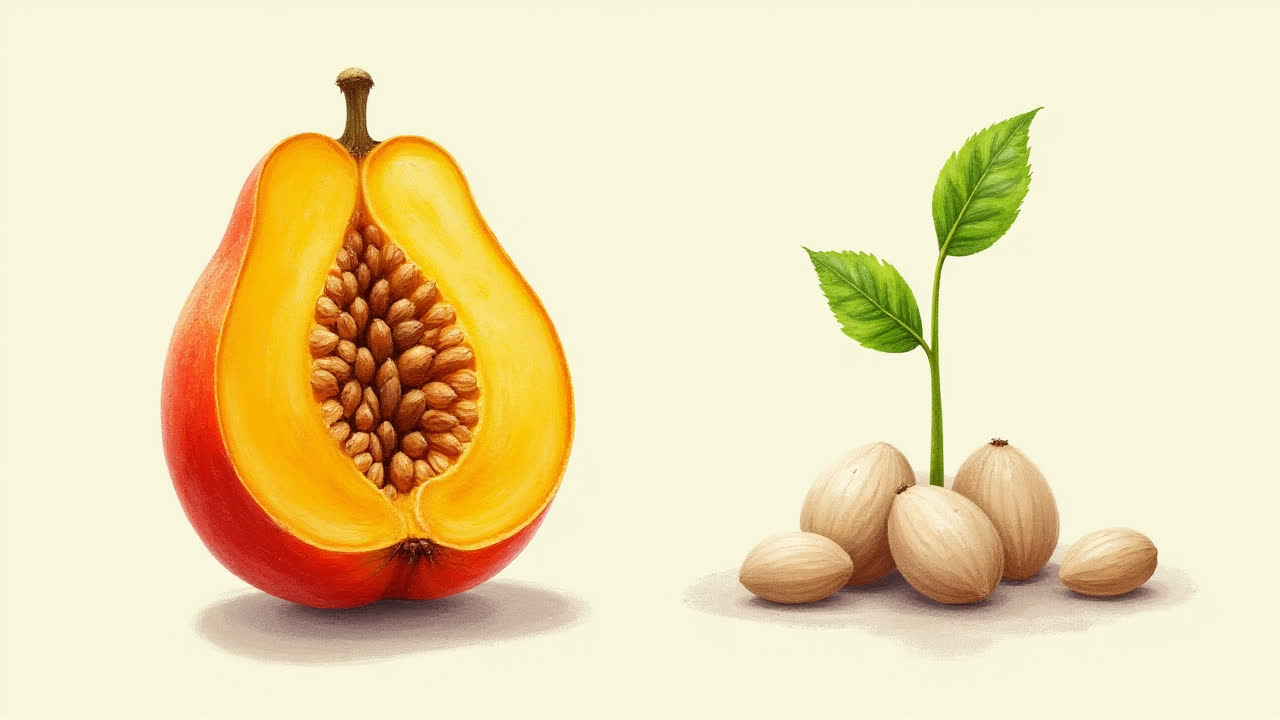
When you bite into a juicy apple or crack open a walnut, have you ever wondered whether you're eating a fruit or a seed? These plant parts are among the most consumed foods worldwide, yet many people confuse them or don't understand their fundamental differences. I've found that understanding the distinction between fruits and seeds not only satisfies curiosity but also helps with cooking, gardening, and appreciating the incredible diversity of plant foods we enjoy.
The primary distinction between fruits and seeds lies in their biological origins. After pollination occurs in flowering plants, the ovule develops into a seed, while the ovary transforms into a fruit. This transformation results in distinct structures with different functions in plant reproduction and survival. Isn't it fascinating how nature has evolved these specialized parts?
In my experience growing vegetables and fruits in my backyard garden, I've observed firsthand how fruits protect and help disperse their enclosed seeds. Meanwhile, seeds contain everything needed to grow an entirely new plant – they're like little miracle packages! Let's explore the fascinating world of fruits and seeds to understand their differences, classifications, and important roles in both plant biology and human nutrition.
What Are Fruits?
Fruits are specialized plant structures that develop from the ovary of a flowering plant after fertilization. They serve a crucial biological purpose: protecting seeds and aiding in their dispersal. The bright colors, sweet flavors, and appealing aromas of many fruits have evolved specifically to attract animals that eat them and scatter the seeds, often far from the parent plant.
The fleshy, edible part of a fruit that we typically consume is called the pericarp, which develops from the ovary wall. This pericarp consists of three distinct layers:
- Exocarp (also called epicarp): This is the outer skin or peel that we often remove before eating.
- Mesocarp: The middle layer, usually the fleshy, juicy part that we consume.
- Endocarp: The innermost layer that surrounds and protects the seeds.
I've always been amazed by the incredible diversity of fruits. Botanically speaking, fruits come in several classifications based on their structure and development. The main types include:
- Simple fruits: Develop from a single ovary and may contain one or more seeds. Examples include apples, peaches, tomatoes, and peppers. Yes, tomatoes are botanically fruits, not vegetables!
- Aggregate fruits: Form from a single flower with multiple ovaries, each developing into small drupelets that cluster together. Raspberries, blackberries, and strawberries fall into this category.
- Multiple fruits: Develop from an inflorescence (a cluster of separate flowers) that fuse together as they mature. Pineapples, figs, and mulberries are excellent examples.
Interestingly, not all fruits are sweet or fleshy. Dry fruits like nuts, legumes, and grains are also botanically classified as fruits, though we often don't think of them that way. Some commercially available fruits have been specially bred to be seedless, like certain varieties of watermelons, grapes, and bananas – a agricultural achievement that makes eating them more convenient but removes their reproductive capability.
What Are Seeds?
Seeds are remarkable structures that contain the embryo of a new plant, along with stored nutrients to sustain early growth. They represent one of nature's most ingenious innovations – a complete package that contains everything needed to create the next generation of plants. As someone who enjoys starting plants from seeds each spring, I'm always impressed by how much potential is packed into these small packages.
The formation of seeds occurs after pollination and fertilization. The ovule, which is contained within the ovary of a flower, develops into a seed following successful fertilization. A typical seed consists of three main components:
- Embryo: The young plant in an arrested state of development, waiting for the right conditions to grow. It contains the embryonic root (radicle), stem (hypocotyl), and leaves (cotyledons).
- Endosperm: A nutritive tissue that supplies food for the developing embryo during germination. In some plant species, this nutrition gets absorbed by the cotyledons before germination.
- Seed coat: The protective outer covering (testa) that shields the embryo from physical damage, disease, and unfavorable environmental conditions.
Seeds develop in two major groups of plants: angiosperms (flowering plants) and gymnosperms (cone-bearing plants like pines and spruces). In angiosperms, seeds are enclosed within fruits, while gymnosperm seeds are "naked," typically found on the scales of cones rather than inside a fruit structure. I find it fascinating that this distinction is actually reflected in the scientific names – "angio" means covered, while "gymno" means naked!
Many seeds serve as important food sources for humans and animals. Cereal grains like wheat, rice, and corn are technically seeds, as are legumes like beans, peas, and lentils. These seeds are often rich in proteins, carbohydrates, and healthy fats, making them nutritional powerhouses. Other edible seeds include sunflower seeds, pumpkin seeds, flax seeds, and chia seeds, which have become increasingly popular in recent years for their nutritional benefits.
What makes seeds truly remarkable is their ability to remain dormant for extended periods until conditions are favorable for germination. Some seeds can remain viable for decades or even centuries! When the right combination of water, oxygen, temperature, and sometimes light is present, the seed will break dormancy and begin to grow. This characteristic has allowed plants to spread across diverse environments and survive through challenging conditions.
Key Differences Between Fruits and Seeds
| Characteristic | Fruits | Seeds |
|---|---|---|
| Biological Origin | Develop from the ovary of a flower after fertilization | Develop from the ovule of a flower after fertilization |
| Primary Function | Protect seeds and aid in their dispersal | Reproduction and propagation of plant species |
| Structure | Consists of three layers: exocarp, mesocarp, and endocarp | Consists of embryo, endosperm, and seed coat |
| Outer Layer | Exocarp (peel or skin) | Testa (seed coat) |
| Ripening Process | Undergoes ripening, often triggered by the plant hormone ethylene | Does not undergo ripening; instead experiences maturation |
| Shelf Life | Generally shorter due to higher moisture content | Generally longer due to lower moisture content |
| Role in Reproduction | Not direct reproduction units but aid seed dispersal | Direct reproduction units containing plant embryos |
| Examples | Apple, orange, tomato, pineapple, cucumber | Wheat, rice, beans, sunflower seeds, almonds |
The biological relationship between fruits and seeds is fascinating. While seeds can produce new plants without fruits, fruits cannot produce new plants without seeds. This biological truth stems from the fact that the embryo, which gives rise to a new plant, is contained within the seed, not the fruit. The fruit merely serves as a protective and dispersal mechanism for the seed.
I've noticed that many people get confused because several foods we commonly call "fruits" in culinary terms might be botanically classified differently. For instance, strawberries are technically "aggregate accessory fruits" with their tiny seeds (actually achenes, a type of fruit) on the outside. Similarly, many nuts that we think of as seeds are botanically fruits. The distinction becomes even more blurred when we consider that we eat some plant parts as vegetables that are botanically fruits (like tomatoes, cucumbers, and bell peppers) or seeds (like peas and corn).
Nutritional and Culinary Aspects
Both fruits and seeds contribute significantly to human nutrition, albeit in different ways. Fruits typically provide vitamins, minerals, fiber, and antioxidants, along with natural sugars that give them their sweet taste. Most fruits have high water content, making them hydrating and generally lower in calories compared to seeds. They're essential components of a healthy diet, with recommendations suggesting we consume several servings daily.
Seeds, on the other hand, are typically more concentrated sources of nutrients. They generally contain higher amounts of protein, healthy fats, and certain minerals compared to fruits. Many seeds are rich in omega-3 fatty acids, particularly flaxseeds and chia seeds, which offer numerous health benefits. Because seeds are designed to nourish growing plant embryos, they pack a lot of nutrition into a small package.
In my kitchen, I use fruits and seeds in complementary ways. Fruits feature prominently in snacks, breakfasts, desserts, and as natural sweeteners. Their bright flavors and varied textures make them versatile ingredients. Seeds, with their crunchy texture and nutty flavors, make excellent additions to salads, baked goods, and granolas, or can be processed into butters, oils, or flours.
It's worth noting the storage differences between fruits and seeds. Most fruits have relatively short shelf lives unless preserved, refrigerated, or frozen. Their high moisture content makes them susceptible to spoilage. Seeds, with their lower moisture content, can typically be stored for much longer periods without significant deterioration in quality. This difference reflects their biological purposes – fruits need to decompose to release seeds, while seeds need to remain viable until conditions are right for germination.
Practical Applications and Uses
Understanding the differences between fruits and seeds has practical implications beyond mere biological curiosity. For gardeners like myself, knowing whether you're working with a fruit or a seed affects how you approach propagation and cultivation. Seeds require specific conditions to germinate, while fruits need particular care during development to ensure quality and yield.
In agricultural contexts, this distinction is even more significant. Crop breeding programs often focus on enhancing specific characteristics of either fruits or seeds, depending on which part is commercially valuable. For fruit crops, qualities like size, flavor, appearance, and transportability are emphasized. For seed crops, factors like yield, nutritional content, and germination rate take precedence.
Here are some common applications for fruits and seeds in various contexts:
Fruit Applications:
- Fresh consumption
- Production of juices, jams, jellies, and preserves
- Ingredient in desserts, salads, and main dishes
- Source of natural flavors and additives
- Production of alcoholic beverages (wines, ciders, fruit beers)
- Natural food coloring and decoration
Seed Applications:
- Staple foods (grains, legumes)
- Snacks (roasted or raw seeds)
- Production of oils for cooking and industrial uses
- Source of plant-based proteins
- Plant propagation in agriculture and gardening
- Production of flour and other processed foods
One particularly interesting application at the intersection of fruits and seeds is seed saving from garden plants. As a hobby gardener, I've found great satisfaction in collecting seeds from my best-performing plants to grow in subsequent seasons. This practice connects me to the age-old agricultural traditions that predate modern commercial seed production. When saving seeds, it's necessary to let fruits fully mature – often beyond the stage where we would typically harvest them for eating – to ensure the seeds inside are fully developed and viable.
Frequently Asked Questions
Can a fruit exist without seeds?
Yes, seedless fruits exist both naturally and through agricultural development. Some fruits, like certain varieties of bananas, pineapples, and watermelons, have been specifically bred to be seedless for consumer convenience. These seedless varieties are usually propagated vegetatively (through cuttings or offshoots) rather than through seeds. In the wild, seedless fruits occasionally occur due to genetic mutations or environmental conditions that prevent proper seed development. However, truly seedless fruits in nature are relatively rare because seeds are essential for natural plant reproduction.
Are all nuts considered seeds?
No, not all nuts are botanically classified as seeds, though many are commonly thought of as seeds in everyday language. In botanical terms, a true nut is a dry fruit with a single seed where the fruit wall becomes hard at maturity. Examples of true nuts include hazelnuts, chestnuts, and acorns. However, many foods we colloquially call "nuts" are actually different types of plant parts. For instance, almonds, pistachios, and cashews are technically seeds within a drupe (a type of fruit). Peanuts aren't nuts at all but legumes (seeds in a pod). This discrepancy between botanical classification and common terminology can be confusing but reflects how we categorize foods based on culinary use rather than biological origin.
How long can seeds remain viable before planting?
The viability period of seeds varies dramatically depending on the plant species and storage conditions. Under optimal storage conditions (cool, dry, and dark), some common vegetable and flower seeds remain viable for 2-5 years. However, there's significant variation: onion seeds might be viable for only a year, while tomato seeds can remain viable for 4-6 years or more. Some seeds have extraordinary longevity—lotus seeds recovered from ancient lakes have germinated after more than 1,000 years! For home gardeners, proper storage is key to maintaining seed viability. I store my seeds in paper envelopes within airtight containers in a cool, dark location, and I've successfully germinated seeds that were 3-4 years old. Professional seed banks use specialized equipment to maintain seed viability for decades or even centuries for conservation purposes.
Conclusion
The distinction between fruits and seeds goes beyond academic interest—it helps us understand the incredible ways plants have evolved to reproduce and spread across environments. Fruits and seeds represent different but complementary strategies in plant reproduction, with fruits primarily serving to protect and disperse seeds, and seeds containing the essential elements for creating new plant life.
In our daily lives, both fruits and seeds provide essential nutrition, culinary variety, and agricultural importance. The next time you enjoy an apple or sprinkle some sesame seeds on a dish, take a moment to appreciate the biological marvel you're consuming and its role in the plant world.
Whether you're a gardener, cook, nutrition enthusiast, or simply curious about the natural world, understanding the fundamental differences between fruits and seeds enhances your appreciation of plant biology and the foods we derive from it. And who knows? This knowledge might just come in handy during your next dinner party conversation or gardening project!