Fairy Tales vs Fables: Understanding the Key Differences
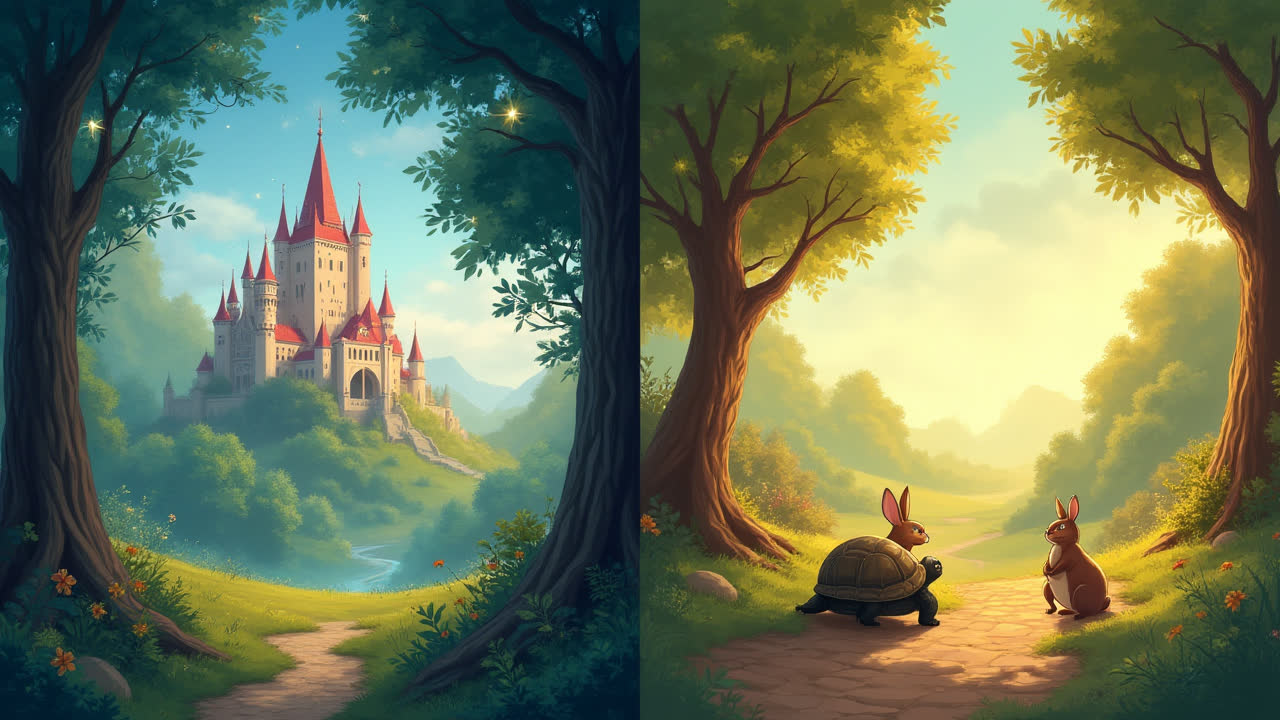
When it comes to storytelling traditions, few forms have captivated audiences across generations quite like fairy tales and fables. These beloved narrative forms have shaped childhood imaginations and taught valuable lessons for centuries. But have you ever wondered what really sets them apart? Understanding the differences between these two distinct types of stories can deepen your appreciation for the art of storytelling and help you choose the right tale for any occasion.
In this comprehensive guide, we'll explore the fascinating world of folklore literature and uncover what makes fairy tales and fables unique. From their characters to their purposes, we'll dive deep into the elements that define each genre.
What is a Fable?
A fable is a concise story that typically features anthropomorphized animals, inanimate objects, or forces of nature as its main characters. These stories have one defining characteristic: they always conclude with a moral lesson or teaching. Think of Aesop's classic tales like "The Tortoise and the Hare" or "The Fox and the Grapes" – each story wraps up with a clear message about life values.
What makes fables particularly interesting is their connection to real-world issues. Despite their fantastical elements, fables deal with realistic situations that humans face daily. Whether it's about honesty, perseverance, or the consequences of greed, these stories reflect genuine human experiences through the lens of animal characters.
The beauty of fables lies in their simplicity. They don't get bogged down with complex plots or elaborate settings. Instead, they cut straight to the heart of moral education, making them perfect for teaching universal truths to both children and adults. Have you ever found yourself recalling a fable's lesson during a tough decision? That's the power of these timeless stories.
What is a Fairy Tale?
On the other hand, fairy tales transport us to magical realms filled with wonder and enchantment. These stories feature supernatural characters such as fairies, elves, witches, giants, and dragons. While fables focus on moral instruction, fairy tales primarily aim to entertain and spark imagination.
Magic is the lifeblood of every fairy tale. From magical transformations to enchanted objects, these stories embrace the impossible. Remember Cinderella's glass slipper or the magic mirror in Snow White? These fantastical elements create a world where anything can happen, allowing readers to escape reality and dream big.
What's fascinating about fairy tales is their cultural variations. Every society has its own collection of magical stories, reflecting local beliefs, values, and traditions. Whether it's the Brothers Grimm's German tales or Hans Christian Andersen's Danish stories, each culture adds its unique flavor to the fairy tale tradition.
The origins of fairy tales can be traced back to the 17th century, making them relatively younger than fables. Madame d'Aulnoy is credited with coining the term "fairy tale," while the Brothers Grimm became legendary for collecting and preserving these stories for future generations. Their dedication helped ensure that these magical tales continue to enchant readers to this day.
Key Differences Between Fairy Tales and Fables
| Aspect | Fairy Tales | Fables |
|---|---|---|
| Primary Purpose | Entertainment and imagination | Moral instruction and education |
| Characters | Magical beings (fairies, wizards, etc.) | Animals and personified objects |
| Setting | Fantasy realms with magic | Realistic settings despite animal characters |
| Ending | Happy ending typically | Moral lesson explicitly stated |
| Target Audience | Primarily children | All ages, educational focus |
| Story Length | Often longer, more complex | Brief and concise |
| Real-world Connection | Escapist fantasy | Direct parallels to human behavior |
| Cultural Origin | 17th century onwards | Ancient (Aesop's Fables ~6th century BCE) |
Why These Differences Matter
Understanding the distinction between fairy tales and fables helps us appreciate their unique contributions to literature. Fairy tales offer children a safe space to explore complex emotions through fantasy, while fables provide direct guidance for ethical decision-making. Both forms complement each other in nurturing young minds.
For parents and educators, recognizing these differences is crucial. When you want to teach a specific value or lesson, reach for a fable. But when it's time to ignite imagination and wonder, fairy tales are your go-to choice. Sometimes, of course, children need both – the practical wisdom of fables and the creative inspiration of fairy tales.
Have you noticed how some stories blend elements of both genres? Modern children's literature often combines the moral clarity of fables with the magical wonder of fairy tales, creating hybrid stories that both teach and enchant. This evolution shows how adaptable these traditional forms remain in our contemporary world.
The Enduring Appeal of Both Genres
Despite their differences, both fairy tales and fables share timeless appeal. They've survived centuries because they address fundamental human needs: the desire for wonder and the quest for wisdom. Whether through a clever fox teaching us about consequences or a brave princess overcoming obstacles, these stories continue to resonate.
In our digital age, these traditional story forms find new life through various media. From animated films to video games, the essence of fairy tales and fables persists, proving that good storytelling transcends time and technology. What's your favorite way to experience these classic tales?
The next time you pick up a children's book or watch a fantasy movie, pay attention to which elements come from fairy tale tradition and which draw from the fable heritage. You might be surprised to discover how deeply these ancient storytelling forms influence our modern entertainment.
Choosing the Right Story for Your Needs
Knowing when to use each type of story can enhance your parenting, teaching, or creative writing. For bedtime stories that inspire dreams and creativity, fairy tales create the perfect atmosphere. Their magical elements transport children to worlds where anything is possible, encouraging imaginative thinking that can benefit them long after the story ends.
When facing specific behavioral challenges or teaching moments, fables offer targeted wisdom. Their brief nature makes them ideal for capturing short attention spans while delivering meaningful messages. Plus, the animal characters often make difficult lessons more palatable and relatable for young listeners.
Consider creating your own stories that combine the best of both worlds. You could write a tale with magical elements that still delivers a clear moral message, or craft animal stories set in fantastical environments. The possibilities are endless when you understand the flexible nature of these storytelling traditions.
Preserving These Traditions for Future Generations
As we move forward in the digital age, it's essential to preserve both fairy tales and fables for future generations. These stories carry cultural heritage, moral wisdom, and imaginative power that our children and their children deserve to experience. Whether through traditional storytelling or innovative digital formats, keeping these tales alive ensures that coming generations benefit from their timeless lessons.
How are you incorporating these classic story forms into your life or the lives of the children around you? Perhaps it's time to dust off those old storybooks or explore new interpretations that honor the traditions while speaking to modern audiences. After all, the magic of storytelling lies in its ability to connect us across generations.
Remember, every time you share a fairy tale or a fable, you're participating in a tradition that spans thousands of years. You're not just entertaining or educating – you're keeping alive the art of narrative wisdom that has shaped human culture since the dawn of civilization. What story will you share next?
Frequently Asked Questions
Can a story be both a fairy tale and a fable?
While traditionally distinct, some modern stories blend elements of both genres. These hybrid tales might feature magical elements typical of fairy tales while ending with a clear moral lesson characteristic of fables. However, classic examples typically fall into one category or the other based on their primary purpose and structure.
Are all fables written by Aesop?
No, while Aesop is the most famous fabulist, many cultures have their own fable traditions. Examples include Buddhist fables like the Jataka tales, African traditional fables, and Native American animal stories. Each culture has contributed unique perspectives to this storytelling form.
Why do fairy tales often have dark elements in their original versions?
Original fairy tales often contained darker themes because they weren't exclusively for children and served as cautionary tales for all ages. These stories reflected the harsh realities of life during earlier times and taught survival lessons. Modern adaptations have softened these elements to be more suitable for young audiences.
References:
- https://en.wikipedia.org/wiki/Fairy_tale
- http://www.eastoftheweb.com/short-stories/index.php?p=web/library/chil
- https://www.publicdomainpictures.net/en/view-image.php?image=189396&am
- https://archive.org/stream/babysownaesopbei00aeso/babysownaesopbei00ae
- https://commons.wikimedia.org/w/index.php?curid=44201124