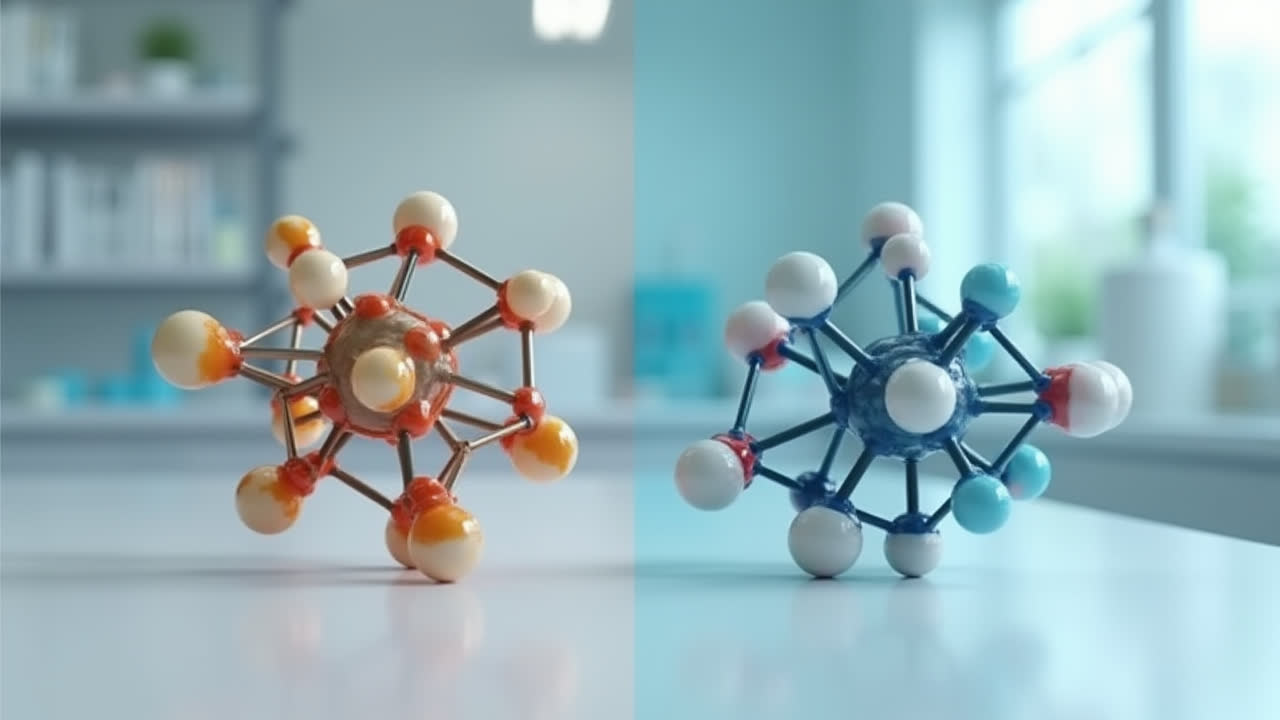
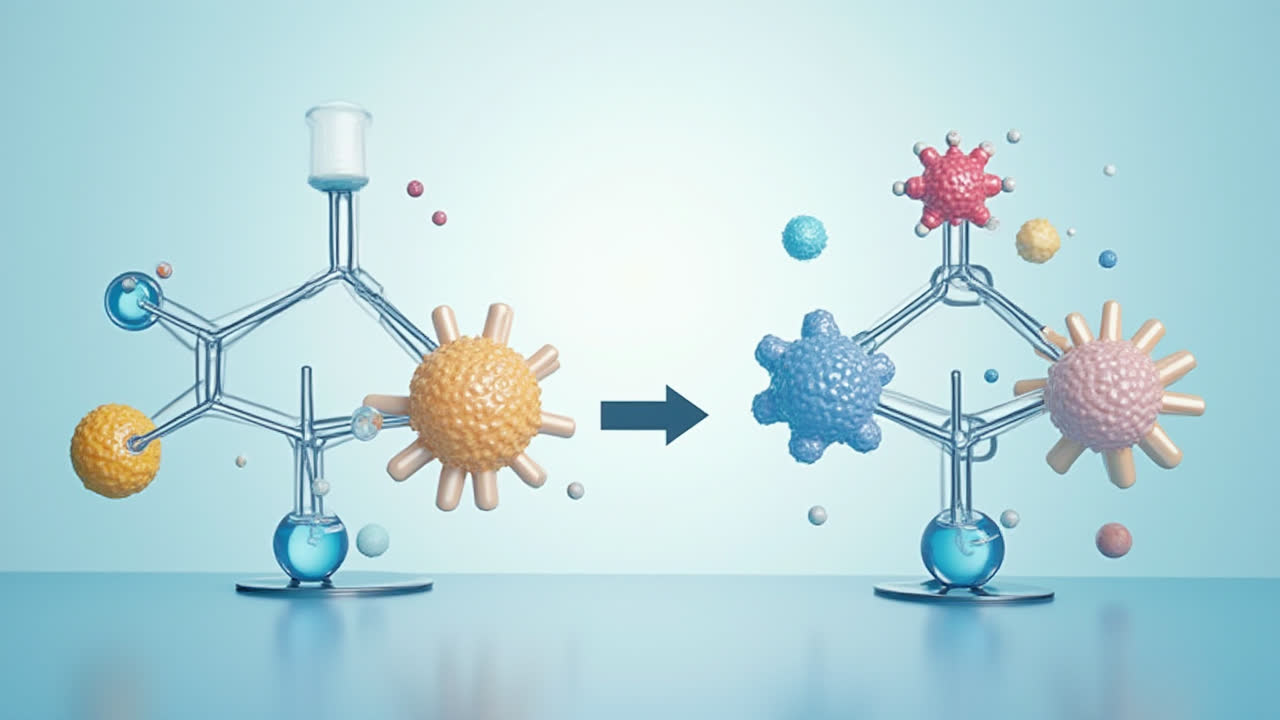
Elastomeric vs Silicone: Which Sealant Is Best For Your Project?
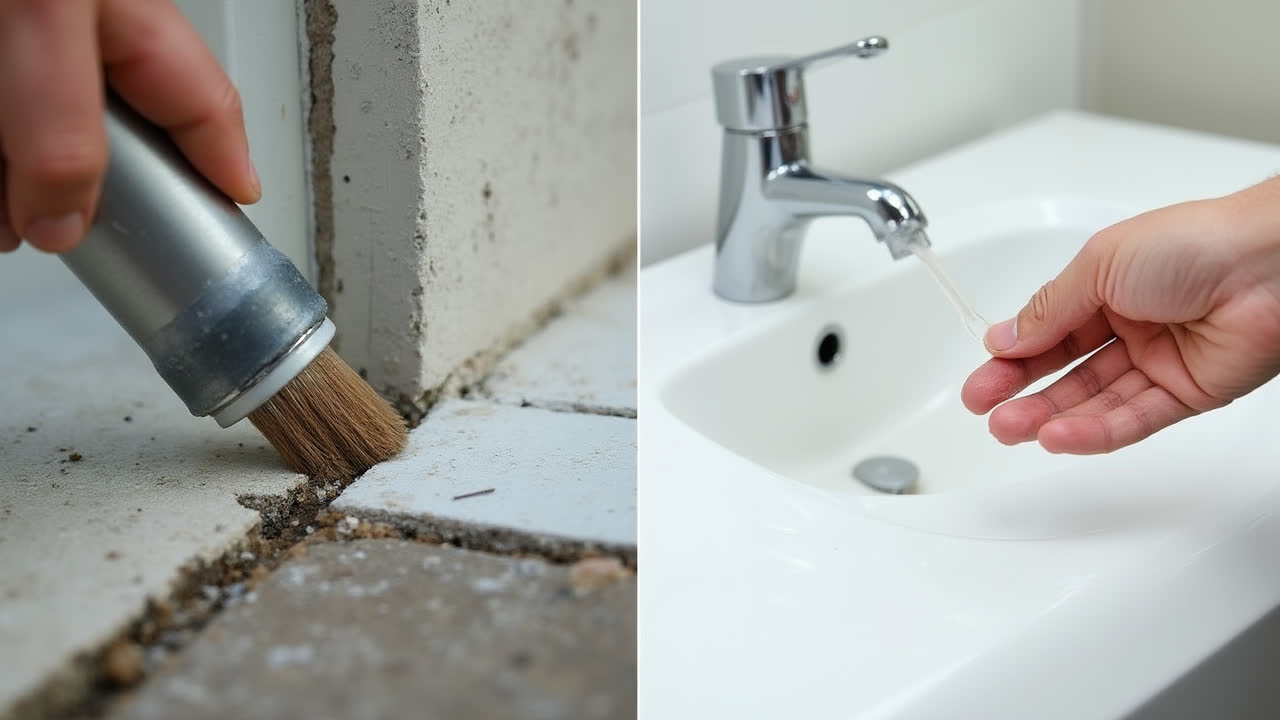
When it comes to choosing the right sealant for your project, understanding the difference between elastomeric and silicone sealants is crucial. Both offer unique properties that make them suitable for different applications, but selecting the wrong one could lead to premature failure and costly repairs. Have you ever wondered why some sealants crack after a few months while others last for years? The secret lies in their chemical composition and specific properties.
In construction and DIY projects, sealants play a vital role in preventing water infiltration, air leakage, and providing structural integrity. They create watertight barriers around windows, doors, roofs, and other building components. I've seen countless projects where the wrong sealant choice led to leaks and damage that could have been easily avoided with the right knowledge.
This comprehensive guide will walk you through everything you need to know about both types of sealants, their properties, applications, and how to choose the right one for your specific needs. By the end, you'll have a clear understanding of when to use elastomeric versus silicone sealants to ensure your projects remain sealed and protected for years to come.
What Are Elastomeric Sealants?
Elastomeric sealants are versatile materials made from synthetic polymers known for their exceptional elasticity and flexibility. These sealants are typically formulated from a blend of polymers, including butyl, polyurethane, or acrylic. The name "elastomeric" comes from their rubber-like properties - they can stretch and compress repeatedly without losing their shape or adhesive qualities.
One of the most remarkable characteristics of elastomeric sealants is their ability to accommodate joint movement. In buildings and structures that experience expansion and contraction due to temperature changes, this property is invaluable. I remember working on a bridge expansion joint project where we specifically chose an elastomeric sealant because the structure needed to handle significant movement during seasonal changes. The sealant performed admirably, maintaining its integrity despite constant stress.
Besides flexibility, these sealants offer good resistance to weathering, UV radiation, and harsh environmental conditions. They can withstand exposure to sunlight, rain, and temperature fluctuations without significant degradation. This makes them suitable for both indoor and outdoor applications where durability is essential.
Another advantage worth mentioning is their excellent adhesion to various substrates. Whether you're working with concrete, metal, glass, wood, plastics, or masonry, elastomeric sealants typically bond well to most construction materials. This versatility eliminates the need for different sealants when working with multiple surfaces, streamlining the construction or repair process.
Key Properties of Elastomeric Sealants
- Flexibility and movement capability: Can stretch and compress with structural movement without rupturing
- Weather resistance: Withstands exposure to rain, sun, and temperature fluctuations
- Adhesion: Bonds well to a wide range of construction materials
- Longevity: Retains sealing properties for extended periods
- Chemical resistance: Offers some protection against chemicals, oils, and solvents
- Paintability: Many elastomeric sealants accept paint, allowing for color matching
What Are Silicone Sealants?
Silicone sealants represent a specific category of synthetic polymers distinguished by their unique silicon-oxygen (Si-O) chemical backbone, often complemented by organic side groups attached to the silicon atoms. This distinctive structure gives silicone its exceptional properties that set it apart from other sealant types. Unlike many petroleum-based products, silicone derives from silicon, the second most abundant element in the Earth's crust.
The manufacturing process for silicone sealants typically involves the hydrolysis of silicon tetrachloride (SiCl4) to produce polydimethylsiloxane (PDMS), one of the most common types of silicone. Additional processing steps, such as cross-linking or incorporating other materials, can modify silicone's properties to suit specific applications. I once toured a manufacturing facility that produced specialized silicone sealants for aerospace applications, and was amazed by the precision and quality control measures in place to ensure consistent performance in extreme conditions.
One of silicone's most remarkable features is its outstanding temperature stability. It can maintain its properties in environments ranging from extremely cold to intensely hot without breaking down or losing functionality. This characteristic makes it invaluable for applications exposed to wide temperature variations or heat sources. For instance, I've used silicone sealants around fireplaces and ovens where other sealants would quickly degrade and fail.
Additionally, silicone exhibits exceptional flexibility and elasticity, allowing it to deform under stress and return to its original shape afterward. This resilience is crucial for applications subject to repeated stress or movement, such as expansion joints or flexible connections. Its water-repellent nature also makes it highly effective in applications requiring waterproofing, such as bathrooms, kitchens, and exterior joints.
Key Properties of Silicone Sealants
- Temperature resistance: Exceptional stability at both high and low temperatures
- UV resistance: Superior resistance to degradation from ultraviolet radiation
- Flexibility: Maintains elasticity even in extreme conditions
- Water repellence: Naturally hydrophobic, making it excellent for waterproofing
- Chemical resistance: Withstands exposure to many chemicals, oils, and solvents
- Durability: Extremely long-lasting, often maintaining performance for decades
- Non-paintable: Generally does not accept paint (though specialty paintable varieties exist)
Elastomeric vs Silicone: Detailed Comparison
| Comparison Factor | Elastomeric Sealants | Silicone Sealants |
|---|---|---|
| Composition | Blend of polymers (butyl, polyurethane, acrylic) | Silicon-oxygen (Si-O) polymer backbone |
| Flexibility | Good flexibility, accommodates structural movement | Exceptional flexibility across extreme temperatures |
| Temperature Range | Moderate resistance (typically -20°F to 180°F) | Excellent resistance (-100°F to 400°F or higher) |
| UV Resistance | Good resistance, may degrade over extended exposure | Superior resistance, minimal degradation over time |
| Adhesion Properties | Excellent on porous surfaces (concrete, wood) | Excellent on non-porous surfaces (glass, metal) |
| Paintability | Usually paintable | Generally not paintable (special variants available) |
| Durability | 5-10 years typical lifespan | 20+ years typical lifespan |
| Cost | Generally more affordable | Usually more expensive |
Applications of Elastomeric Sealants
Elastomeric sealants find widespread use across various industries due to their versatility and performance characteristics. In the construction industry, they're commonly used for sealing gaps, joints, and cracks in buildings and infrastructure. Their ability to accommodate movement makes them ideal for expansion joints, control joints, and areas where structural shifts occur.
The automotive sector heavily relies on elastomeric sealants to enhance water and air resistance in vehicle windows, joints, and seams. These sealants help prevent water intrusion, reduce wind noise, and improve overall vehicle integrity. I recall working with a classic car restoration project where we used elastomeric sealants around the windshield and rear window - the flexibility was crucial for preserving the original metal frame while ensuring a watertight seal.
Marine and shipbuilding industries utilize elastomeric sealants to seal seams and protect against water intrusion. The constant movement of vessels and exposure to harsh marine environments demands sealants that can maintain their integrity under challenging conditions. Similarly, manufacturing processes often incorporate these sealants for bonding components, sealing joints, and preventing leaks in assembled products.
For home improvement projects, elastomeric sealants offer practical solutions for improving energy efficiency by sealing gaps around windows, doors, and other potential air leak points. Their paintability makes them particularly attractive for visible applications where aesthetic considerations matter. Just last summer, I used an elastomeric sealant around my exterior windows before repainting them - the ability to accept paint meant the sealant blended seamlessly with the trim color.
Applications of Silicone Sealants
Silicone sealants excel in applications that demand resistance to extreme conditions. Their extraordinary temperature stability makes them indispensable for high-temperature environments, such as around heating appliances, fireplaces, ovens, automotive engines, and industrial equipment. I've personally used silicone sealants when installing a wood stove, as they can withstand the intense heat without degrading or releasing harmful fumes.
The outstanding UV resistance of silicone makes it the preferred choice for exterior applications exposed to intense sunlight. Building facades, outdoor signage, solar panel installation, and outdoor lighting fixtures benefit from silicone's ability to resist yellowing, cracking, and deterioration from UV radiation. During a commercial building renovation project I consulted on, we specifically selected silicone for the glass curtain wall seals precisely because of this property.
Silicone's exceptional waterproofing capabilities make it ideal for wet area applications. Bathrooms, kitchens, aquariums, swimming pools, and plumbing fixtures commonly feature silicone seals to prevent water damage. The material's resistance to mold and mildew growth further enhances its suitability for these environments. I remember resealing my shower enclosure with silicone after experimenting with a different product that quickly developed mold - the silicone has remained clean and intact for years.
Electronics and electrical applications benefit from silicone's insulating properties and resistance to moisture. The aerospace industry relies on specialized silicone formulations for critical sealing applications in aircraft and spacecraft, where reliability under extreme conditions is non-negotiable. Medical grade silicones serve in healthcare applications due to their biocompatibility and sterilization resistance.
How to Choose Between Elastomeric and Silicone Sealants
Selecting the right sealant depends on several factors specific to your project. Consider the environment where the sealant will be applied. For areas subject to extreme temperatures, UV exposure, or harsh weather conditions, silicone typically offers superior performance. However, for general construction applications with moderate exposure, elastomeric sealants may provide sufficient protection at a lower cost.
Evaluate the substrate materials you're working with. Silicone generally excels on non-porous surfaces like glass, metal, and ceramic, forming strong bonds that resist moisture intrusion. Elastomeric sealants often perform better on porous materials like concrete, wood, and masonry. For mixed substrates, consider which material constitutes the majority of the application area.
Movement requirements represent another critical factor. While both sealant types accommodate movement, silicone typically offers greater flexibility and can handle more significant joint movement - up to 50% or more of the joint width in high-performance formulations. If your application involves substantial thermal expansion or structural shifts, silicone may be the safer choice.
Don't forget aesthetic considerations. If painting is necessary, most elastomeric sealants accept paint readily, allowing for color matching and visual integration with surrounding materials. Standard silicone sealants resist paint adhesion, though specialty paintable silicones exist at premium prices. Budget constraints may also influence your decision, as silicone products generally command higher prices than comparable elastomeric options.
FAQs About Elastomeric and Silicone Sealants
Can elastomeric sealants be used outdoors?
Yes, many elastomeric sealants are specifically formulated for outdoor use. They offer good resistance to UV radiation, temperature changes, and weathering, making them suitable for exterior applications. However, for extreme environments with intense sun exposure or severe temperature fluctuations, silicone sealants might provide better long-term performance. Always check the manufacturer's specifications to ensure the elastomeric sealant you choose is rated for outdoor use.
How long do silicone sealants typically last?
High-quality silicone sealants can last 20+ years under optimal conditions. Their exceptional resistance to UV radiation, extreme temperatures, and moisture contributes to their impressive longevity. However, actual performance depends on application quality, environmental conditions, and joint movement. Improperly applied silicone or applications subjected to unusual stress may fail prematurely. Regular inspection of silicone seals can help identify potential issues before they lead to failures.
Is there a significant price difference between elastomeric and silicone sealants?
Yes, silicone sealants generally cost more than elastomeric alternatives, sometimes 1.5 to 3 times higher depending on the specific formulation and brand. This price difference reflects silicone's superior performance characteristics, including extreme temperature resistance, longer lifespan, and better UV stability. For many applications, this premium is justified by reduced maintenance and replacement costs over time. However, for projects with budget constraints or applications where extreme performance isn't necessary, elastomeric sealants offer excellent value.
Conclusion
The choice between elastomeric and silicone sealants ultimately depends on your specific project requirements, environmental conditions, and budget considerations. Elastomeric sealants provide excellent flexibility, good weathering resistance, and versatile substrate compatibility at a more affordable price point, making them ideal for general construction and industrial applications. They particularly excel in applications where paintability is essential and exposure conditions are moderate.
Silicone sealants, while typically more expensive, deliver superior performance in extreme environments, offering exceptional temperature stability, UV resistance, and longevity. Their outstanding flexibility and water-repellent properties make them the preferred choice for applications involving glass, metal, high-temperature exposure, or severe weather conditions.
By understanding the distinctive properties and applications of both sealant types, you can make an informed decision that ensures optimal performance and longevity for your specific sealing needs. Whether you're working on a construction project, automotive repair, or home improvement task, selecting the right sealant is a crucial step toward achieving durable, effective results that stand the test of time.