How DNA Helicases Unwind and Maintain DNA Separation During Replication
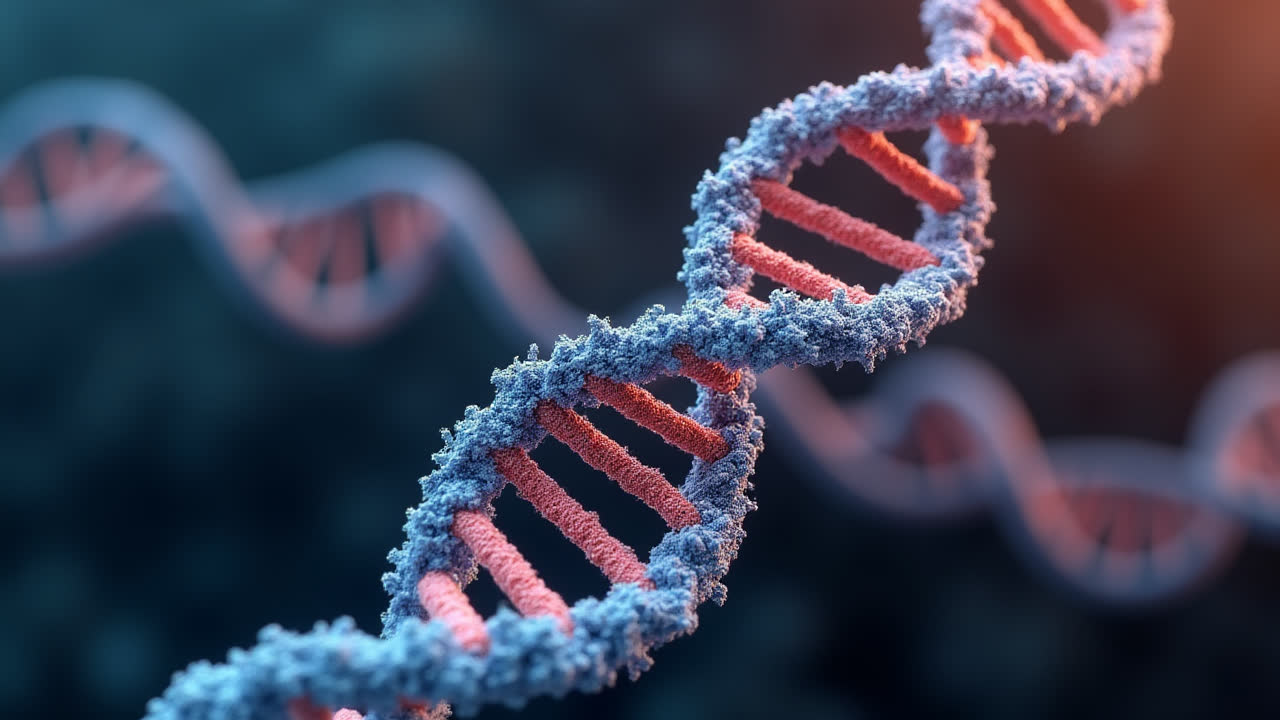
The miracle of life depends on the accurate replication of our genetic material. At the heart of this process lies an incredible molecular machine called DNA helicase, which performs the crucial task of unwinding the double helix structure. Have you ever wondered how our cells manage to unzip the tightly wound DNA strands without creating a tangled mess? Today, we'll explore the fascinating mechanisms that allow DNA to get unwound and stay unwound during the critical processes of replication, repair, and recombination.
Within the nucleus of every cell in your body, DNA exists as a tightly coiled double helix, with the two strands held together by hydrogen bonds between complementary base pairs. Before cells can divide or repair damaged sections, these strands must be separated to allow access to the genetic code. This is where DNA helicases come into play – specialized molecular motors that break the hydrogen bonds and create single-stranded DNA that serves as a template for replication.
Understanding DNA Helicases: The Molecular Unzippers
DNA helicases are remarkable enzymes that act as the "unzippers" of the genetic code. These molecular machines travel along the DNA double helix, using energy from ATP (adenosine triphosphate) to break hydrogen bonds between base pairs. Think of them as tiny motors that move along the DNA highway, systematically separating the intertwined strands. What makes these enzymes particularly impressive is not just their ability to unwind DNA, but also their precision and efficiency in doing so without damaging the delicate genetic information.
Most helicases form ring-like structures that encircle one of the DNA strands. This hexameric (six-subunit) structure is critical for their function, allowing them to maintain a strong grip on the DNA while simultaneously exerting the force needed to pull apart the strands. In prokaryotes like bacteria, the primary replicative helicase is DnaB, while eukaryotes (including humans) use the MCM (mini-chromosome maintenance) helicase complex. These enzymes don't just work in isolation – they're part of a larger assembly of proteins that coordinate the entire replication process.
The energy required for this unwinding process comes from ATP hydrolysis – essentially, the helicase breaks down ATP molecules to release energy that powers the conformational changes needed to separate the DNA strands. Without this energy source, the unwinding process would be thermodynamically unfavorable, as the hydrogen bonds between complementary bases provide stability to the double helix structure. It's a perfect example of how cells convert chemical energy into mechanical work at the molecular level.
The Step-by-Step Process of DNA Unwinding
DNA unwinding isn't a random process – it follows a carefully orchestrated sequence of events that ensures accurate replication. The process begins at specific locations called origins of replication. These are specialized sequences within the DNA that serve as starting points for the replication machinery. In prokaryotes, there's typically only one origin per chromosome, while eukaryotes have multiple origins distributed throughout their larger genomes. This allows replication to occur simultaneously at multiple sites, speeding up the process for organisms with larger genomes.
The initiation of DNA unwinding involves three key steps: origin recognition, initial DNA melting, and formation of the replication fork. During origin recognition, a multi-protein complex called the Origin Recognition Complex (ORC) identifies and binds to the origin of replication. This serves as a landing pad for additional proteins that will eventually form the complete replication machinery. In eukaryotes, this initial binding occurs during the G1 phase of the cell cycle, setting the stage for DNA replication that will occur during the subsequent S phase.
Following origin recognition, the DNA undergoes initial melting, where a small section of the double helix is separated to create an entry point for the replication machinery. In eukaryotes, the MCM helicase complex is responsible for this initial melting, while prokaryotes rely on the DnaA protein followed by loading of the DnaB helicase. This localized unwinding creates a bubble of single-stranded DNA that serves as the foundation for the replication fork – the Y-shaped structure where active DNA synthesis occurs.
As replication progresses, helicases continue to unwind the DNA ahead of the replication machinery, creating a moving replication fork. The unwound single strands are immediately stabilized by single-strand binding proteins (SSBs) that prevent them from reannealing or forming secondary structures. Meanwhile, DNA polymerases – the enzymes responsible for synthesizing new DNA strands – follow behind the helicase, using the exposed single strands as templates to build complementary strands according to the base-pairing rules (A with T, G with C).
Preventing DNA Reannealing: How Unwound DNA Stays Separated
Once DNA strands are unwound, the cell faces another challenge: keeping them separated long enough for replication to occur. Left to their own devices, complementary single strands would naturally reanneal due to the thermodynamic favorability of the double helix structure. Have you ever tried keeping two magnets apart? That's somewhat similar to the challenge cells face with separated DNA strands – they naturally want to come back together.
The primary mechanism that prevents DNA reannealing involves single-strand binding proteins (SSBs). These specialized proteins coat the exposed single-stranded DNA, physically blocking the hydrogen bonding that would allow the complementary strands to reconnect. In eukaryotes, the main single-strand binding protein is called Replication Protein A (RPA), while prokaryotes use proteins simply called SSBs. These proteins bind to DNA with high affinity and specificity, ensuring that the strands remain accessible to the replication machinery.
Beyond SSBs, the physical positioning of helicases also helps prevent reannealing. As helicases unwind the DNA, they remain trapped between the two strands, creating a physical barrier that keeps the strands apart. Additionally, the rapid binding of DNA polymerases and other replication factors to the exposed single strands further stabilizes the unwound state. It's a beautiful example of how multiple proteins work in concert to maintain the conditions necessary for accurate DNA replication.
The topological stress created by unwinding the double helix is another challenge that cells must overcome. As helicases unwind DNA ahead of the replication fork, they create positive supercoiling (overwinding) in the unreplicated DNA. This tension could potentially halt the unwinding process if not relieved. Specialized enzymes called topoisomerases resolve this issue by creating temporary breaks in the DNA backbone, allowing the strands to rotate and release the accumulated tension. This coordinated interplay between helicases and topoisomerases ensures that unwinding can proceed smoothly throughout the entire genome.
Comparison: Prokaryotic vs. Eukaryotic DNA Unwinding
| Feature | Prokaryotic DNA Unwinding | Eukaryotic DNA Unwinding |
|---|---|---|
| Primary Helicase | DnaB helicase | MCM (Mini-Chromosome Maintenance) complex |
| Origin Recognition | DnaA protein | Origin Recognition Complex (ORC) |
| Number of Origins | Single origin of replication | Multiple origins of replication |
| Single-Strand Binding | SSB proteins | Replication Protein A (RPA) |
| Initial DNA Melting | DnaA-mediated melting | MCM helicase-mediated melting |
| Regulation Complexity | Relatively simple regulation | Complex regulation tied to cell cycle |
| Energy Source | ATP hydrolysis | ATP hydrolysis |
| Replication Speed | Fast (1000 base pairs/second) | Slower (50-100 base pairs/second) |
Beyond Replication: Other Roles of DNA Unwinding
While we've focused primarily on DNA unwinding during replication, it's worth noting that this process is equally important in other cellular functions. DNA repair mechanisms often require localized unwinding to access and fix damaged sections of the genome. When DNA suffers damage from radiation, chemicals, or metabolic byproducts, specialized repair helicases unwind the affected region so that repair enzymes can access and correct the damage.
Similarly, genetic recombination – the exchange of genetic material between DNA molecules – depends on helicase activity. During meiosis (the specialized cell division that produces eggs and sperm), recombination helicases unwind specific DNA regions to facilitate crossover events between chromosomes. This process increases genetic diversity and ensures proper chromosome segregation. The RecQ family of helicases plays a particularly important role in recombination, and mutations in these enzymes are associated with several human diseases characterized by genomic instability and cancer predisposition.
Transcription – the process of copying DNA sequences into RNA – also involves unwinding of the double helix. RNA polymerase, the enzyme responsible for transcription, has intrinsic helicase activity that allows it to separate DNA strands as it moves along the template. This creates a transcription bubble where RNA synthesis occurs. While this unwinding is generally more limited in scope than replication unwinding, it follows similar principles and faces many of the same challenges.
The importance of proper DNA unwinding is underscored by the numerous genetic diseases associated with helicase defects. Conditions such as Bloom syndrome, Werner syndrome, and Rothmund-Thomson syndrome are caused by mutations in RecQ helicases and are characterized by genomic instability, premature aging, and increased cancer risk. These disorders highlight the critical role that helicases play in maintaining genomic integrity and preventing the accumulation of dangerous mutations.
Frequently Asked Questions About DNA Unwinding
Why does DNA need to be unwound during replication?
DNA needs to be unwound during replication because the genetic information is stored within the structure of the double helix. The two strands of DNA are complementary to each other, with each strand containing the information needed to recreate the other. During replication, both strands serve as templates for the synthesis of new complementary strands. To access this information and allow DNA polymerases to read the template, the hydrogen bonds between the two strands must be broken, separating them into single strands. This unwinding exposes the nucleotide bases, allowing the replication machinery to read the genetic code and create accurate copies of the original DNA molecule.
What provides the energy for DNA unwinding?
The energy for DNA unwinding comes primarily from adenosine triphosphate (ATP) hydrolysis. DNA helicases are motor proteins that convert chemical energy from ATP into mechanical energy used to break hydrogen bonds between DNA strands. When an ATP molecule binds to a helicase, it causes a conformational change in the enzyme. Upon hydrolysis of ATP to ADP (adenosine diphosphate) and inorganic phosphate, the energy released drives the mechanical movement of the helicase along the DNA strand, breaking hydrogen bonds and unwinding the double helix. This process requires continuous ATP consumption, with multiple ATP molecules needed to unwind extended sections of DNA. The cell's ability to maintain adequate ATP levels is therefore crucial for efficient DNA unwinding and successful replication.
What happens if DNA unwinding fails during replication?
Failure of DNA unwinding during replication can have serious consequences for the cell. If helicases cannot properly separate the DNA strands, replication fork progression stalls, triggering what's known as replication stress. This can lead to replication fork collapse, where the protein complexes responsible for DNA synthesis disassemble, potentially causing double-strand breaks in the DNA. Such breaks can result in chromosomal rearrangements, deletions, or other forms of genomic instability. The cell responds to these problems by activating DNA damage checkpoints, which can halt the cell cycle to allow time for repair. If the damage is too extensive, the cell may undergo programmed cell death (apoptosis). In cases where cells survive with unrepaired damage, mutations may accumulate, potentially contributing to cancer development. Several hereditary diseases, including Bloom syndrome and Werner syndrome, are directly linked to defects in helicase function.
Conclusion: The Elegant Dance of DNA Unwinding
The process of DNA unwinding represents one of the most elegant molecular dances in biology. Helicases, working in concert with a host of other proteins, orchestrate the separation of tightly wound DNA strands with remarkable precision and efficiency. From the initial recognition of replication origins to the formation of active replication forks, each step in the unwinding process is carefully regulated to ensure the faithful duplication of our genetic material.
The mechanisms that keep unwound DNA from reannealing – including single-strand binding proteins and the strategic positioning of replication machinery – highlight the sophisticated solutions that evolution has developed to address the fundamental challenges of DNA replication. As we continue to unravel the complexities of these molecular machines, we gain not only a deeper appreciation for the intricate processes that sustain life but also valuable insights that may inform medical treatments for conditions linked to DNA replication defects.
In the grand scheme of cellular operations, DNA unwinding may seem like just one small step, but it's a critical foundation upon which the entire edifice of life depends. Without the ability to access the information encoded in our genome through controlled unwinding, the transmission of genetic information – the very essence of heredity – would be impossible. So the next time you consider the miracle of life, spare a thought for the humble helicases diligently unwinding DNA in every cell of your body, ensuring that the dance of life continues from one generation to the next.