What is the Difference Between Keto and Enol Form | Complete Guide
What is the Difference Between Keto and Enol Form?
In the fascinating world of organic chemistry, keto and enol forms represent two distinct yet interconnected molecular structures that play a crucial role in understanding chemical reactivity and stability. These tautomeric forms, particularly prominent in carbonyl-containing compounds, showcase one of chemistry's most intriguing phenomena - the ability of molecules to exist in equilibrium between different structural configurations.
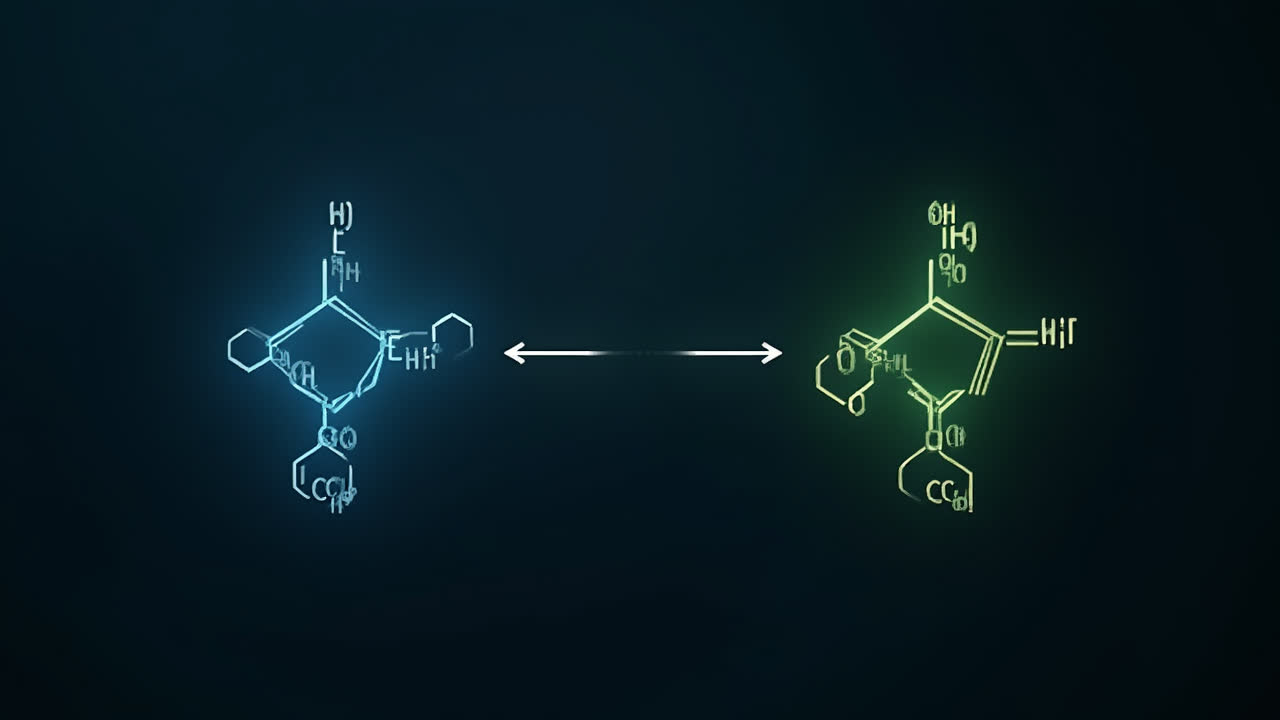
The main difference between keto and enol form lies in their structural arrangement. In the keto form, a carbonyl group (C=O) dominates the structure with a carbon-oxygen double bond, while the enol form features a fascinating combination of a carbon-carbon double bond and a hydroxyl group (-OH). This fundamental structural difference gives rise to distinct chemical properties and reactivity patterns that chemists exploit in various synthetic pathways.
Understanding Keto Form: Structure and Properties
The keto form represents the more stable tautomeric configuration in most organic compounds. Its defining characteristic - the carbonyl group (C=O) - creates a strong carbon-oxygen double bond that requires significant energy to break. This stability explains why ketones and aldehydes predominantly exist in this form under standard conditions.
What's particularly interesting about the keto form is its role in biological systems. You might be surprised to learn that many carbohydrates, including the sugars you consume daily, contain keto groups in their structures. These keto groups are essential for the chemistry of sugars, facilitating reactions like ring-opening and interconversion between different sugar isomers.
In my experience studying organic reactions, the alpha carbon (the carbon adjacent to the carbonyl group) often becomes the focal point of chemical transformations. This carbon atom, typically bearing a hydrogen atom in the keto form, serves as a bridge during the transition to the enol form through what chemists call keto-enol tautomerism.
Exploring Enol Form: The Less Stable Counterpart
The enol form, derived from "ene" (double bond) and "ol" (hydroxyl group), presents a unique structural arrangement. This form features both a carbon-carbon double bond and a hydroxyl group, creating a molecule with distinct chemical properties compared to its keto counterpart.
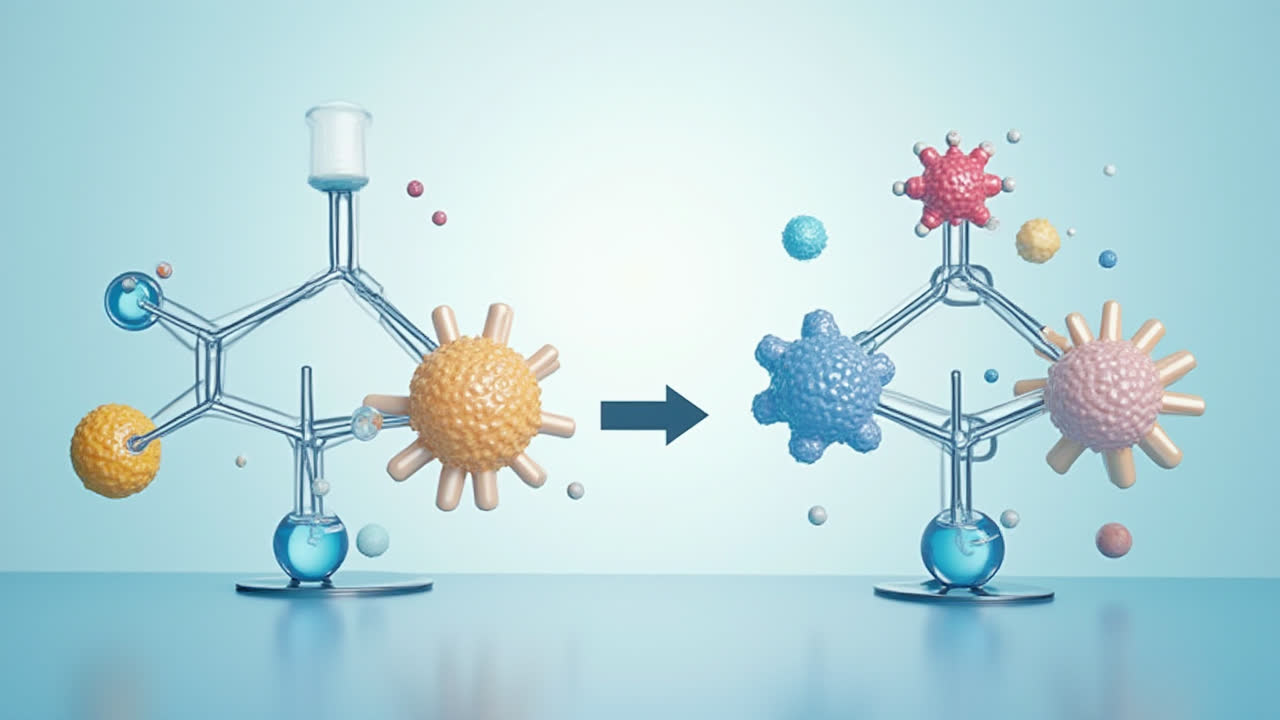
Here's something that might surprise chemistry beginners: despite being generally less stable, the enol form plays a crucial role in many organic reactions. The formation of the enol form involves a hydrogen atom shifting from the alpha carbon to the oxygen atom, simultaneously creating a double bond between two adjacent carbon atoms. This rearrangement might seem simple, but it opens up a world of reactive possibilities.
The enol form's importance extends beyond mere structural curiosity. In fact, many chemical reactions rely on the temporary formation of enol intermediates. This is why understanding both forms becomes essential for anyone working with carbonyl compounds in synthetic chemistry or biochemistry.
Detailed Structural Comparison
| Feature | Keto Form | Enol Form |
|---|---|---|
| Primary Functional Group | Carbonyl (C=O) | Enol (C=C-OH) |
| Bond Configuration | C=O double bond | C=C double bond + OH group |
| Stability | More stable (predominant form) | Less stable (minor form) |
| Alpha Carbon | Usually bears hydrogen | Part of C=C double bond |
| Molecular Formula | Same as enol form | Same as keto form |
| Common Examples | Ketones, aldehydes | Enolate intermediates |
| Role in Reactions | Starting material | Reactive intermediate |
| pH Sensitivity | Stable at various pH | Formation favored at higher pH |
Keto-Enol Tautomerism: The Dynamic Balance
One of the most fascinating aspects of keto and enol forms is their dynamic equilibrium, known as keto-enol tautomerism. This isn't just a static structural concept - it's a living, breathing chemical dance where molecules constantly shift between forms. The equilibrium position depends on various factors including temperature, solvent, and pH.
In most cases, you'll find the keto form winning this equilibrium battle, often by a significant margin. However, this doesn't mean the enol form is unimportant. Even when present in small amounts, the enol form can participate in crucial chemical reactions, making it punch well above its weight in chemical reactivity.
What's particularly intriguing is how this tautomeric equilibrium affects reaction mechanisms. Many reactions that appear to occur directly with the keto form actually proceed through the enol form as a reactive intermediate. This highlights the importance of understanding both forms, even when one is barely detectable under normal conditions.
Chemical Properties and Reactivity Differences
The distinct structural features of keto and enol forms lead to markedly different chemical properties. The keto form, with its stable carbonyl group, tends to be less reactive under normal conditions. Its carbon-oxygen double bond resists breaking, providing molecular stability that chemists often exploit in synthesis.
In contrast, the enol form presents a more reactive profile. The presence of both a double bond and a hydroxyl group creates multiple sites for chemical attack. This increased reactivity explains why enols, despite their lower stability, play crucial roles in organic transformations like aldol condensations and related reactions.
Have you ever wondered why some reactions require acidic or basic conditions? The answer often lies in promoting enol formation. Acids and bases can catalyze the conversion between keto and enol forms, allowing chemists to access the reactive enol form for specific transformations. This control over tautomeric equilibrium represents one of the elegant aspects of organic synthesis.
Real-World Applications and Significance
The practical implications of understanding keto-enol tautomerism extend far beyond academic chemistry. In pharmaceutical development, for instance, the ability to predict and control tautomeric forms can affect drug efficacy and bioavailability. Medicinal chemists must consider both forms when designing new compounds to ensure desired biological activity.
In my experience working with natural product synthesis, keto-enol tautomerism frequently appears as a critical consideration. Many natural compounds exist in tautomeric equilibrium, and understanding this phenomenon is essential for successful isolation, characterization, and synthesis of these valuable molecules.
The food industry also benefits from this knowledge. For example, the flavor compounds responsible for the aroma of many foods can exist in tautomeric forms. Understanding these equilibria helps food scientists predict and control flavor development in various products, from baked goods to fermented beverages.
Frequently Asked Questions
Which form is more stable: keto or enol?
The keto form is typically more stable and predominant under normal conditions. This stability arises from the strong carbon-oxygen double bond (C=O) in the carbonyl group, which requires significant energy to break. The enol form, while less stable, plays important roles in chemical reactions as a reactive intermediate.
How do keto and enol forms interconvert?
The interconversion between keto and enol forms occurs through a process called tautomerism. This involves the migration of a hydrogen atom from the alpha carbon to the oxygen atom of the carbonyl group, simultaneously forming a double bond between two carbon atoms. The process can be catalyzed by acids or bases, and the equilibrium position depends on factors like pH, temperature, and solvent.
Why is understanding keto-enol tautomerism important in organic chemistry?
Understanding keto-enol tautomerism is crucial because it affects reaction mechanisms, product formation, and molecular stability. Many important organic reactions, including aldol condensations and halogenation reactions, proceed through enol intermediates. Additionally, this knowledge is essential in pharmaceutical development, as tautomeric forms can influence drug activity and stability.