How to Reach Srinagar from Delhi by Train: Complete Travel Guide
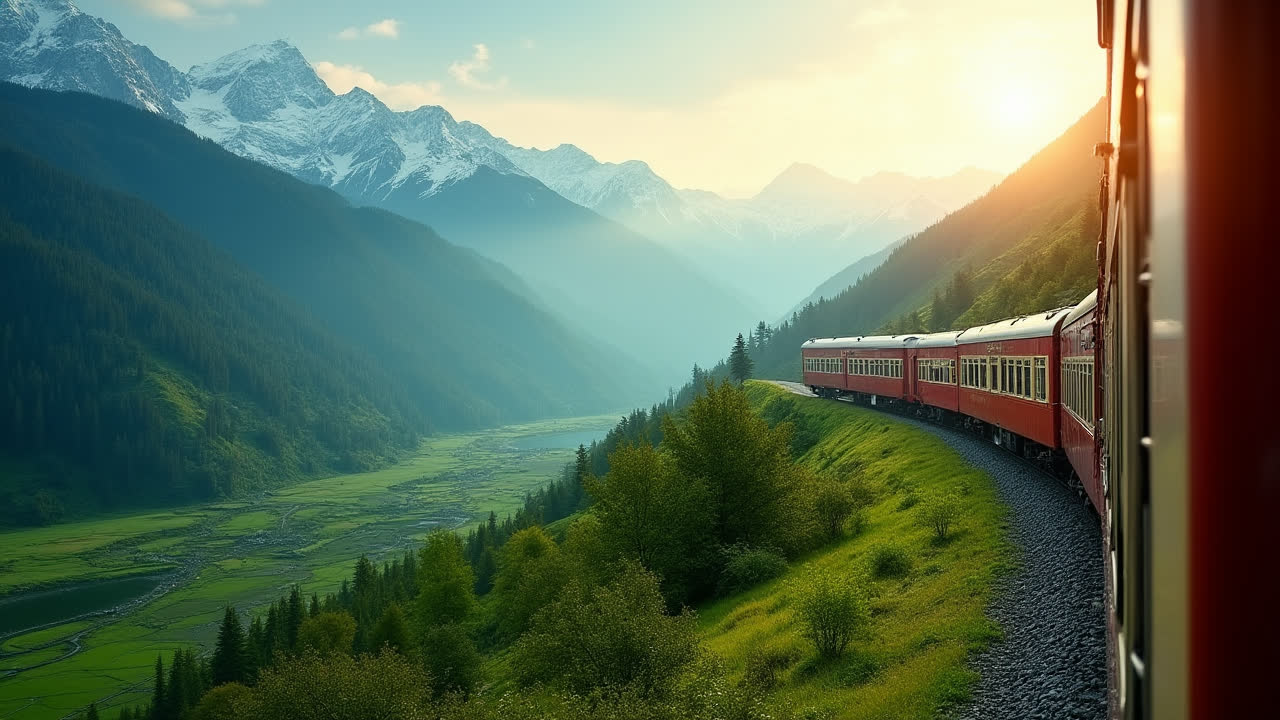
Planning a trip to the breathtaking Kashmir Valley? Wondering how to reach Srinagar from Delhi by train? You're not alone! Srinagar, the summer capital of Jammu and Kashmir, draws millions of visitors each year with its stunning Dal Lake, magnificent gardens, and picturesque surroundings. While many travelers assume flying is the only convenient option, the rail route offers a unique blend of affordability and scenic beauty that's worth considering.
I've made this journey several times, and I must say, there's something magical about watching the landscape transform from the bustling plains of Delhi to the majestic mountains of Kashmir. The journey isn't as straightforward as taking a single train, but don't worry – I'll walk you through every step of this fascinating rail-cum-road journey that connects the national capital to the paradise on earth.
Understanding the Delhi-Srinagar Rail Connection
First things first – let me clear up a common misconception. There is no direct train from Delhi to Srinagar yet. The complete railway line is still under construction as part of an ambitious project to connect Kashmir with the rest of India's vast rail network. However, this doesn't mean you can't use trains for most of your journey!
Indian Railways has cleverly designed a rail-cum-road service that allows travelers to book a single ticket from Delhi to Srinagar. This integrated journey involves two train rides with a bus connection in between. The route follows Delhi → Udhampur (by train) → Banihal (by bus) → Srinagar (by train). This arrangement might sound complicated, but it's actually quite well-organized once you understand how it works.
The Kashmir Railway project is one of India's most challenging engineering feats, cutting through the young Himalayan mountains with numerous tunnels and bridges. While the complete line is still being built, the operational sections offer breathtaking views that you simply can't experience when flying. I still remember my first trip along this route – watching the misty mountains appear as we left the plains behind was absolutely worth the extra travel time!
This special rail-cum-road service was introduced on July 5, 2014, and has been consistently improved since then. It represents an important step in connecting Kashmir with the Indian Railways network, which has been a long-standing dream for both locals and the government.
Step-by-Step Journey from Delhi to Srinagar
Step 1: Delhi to Udhampur Train Journey
Your journey begins at New Delhi Railway Station, where you'll board the Uttar Sampark Kranti Express (Train No. 12445). This train departs from Delhi at 8:50 PM and reaches Udhampur the next morning at around 8:05 AM. The overnight journey spans approximately 11 hours and covers about 600 kilometers.
The train offers multiple classes of accommodation including Sleeper Class, Third AC, Second AC, and First AC. I personally prefer the AC classes for overnight journeys, especially during summer months when the plains can get quite hot. The Sleeper Class is budget-friendly but can get crowded during peak tourist seasons.
Do remember to carry some light snacks and water, though the train does have a pantry car. I usually pack a small travel pillow too – those little comforts make overnight journeys much more pleasant! The train passes through several major stations including Ambala, Ludhiana, and Jammu Tawi before reaching Udhampur, which is currently the last station on this northern railway line.
Step 2: Udhampur to Banihal Bus Journey
Once you reach Udhampur station at around 8:05 AM, you'll need to transfer to the connecting bus service. Indian Railways has arranged special buses that depart from Udhampur at approximately 8:45 AM. The bus journey to Banihal takes around 5 hours, covering a distance of about 120 kilometers through mountainous terrain.
This segment of the journey is perhaps the most scenic, as the road winds through the lower Himalayan ranges, offering stunning views of valleys, rivers, and mountain villages. The bus makes a brief stop midway where you can grab a quick meal or refreshments. I always make sure to use this break to stretch my legs and maybe grab a cup of steaming Kashmiri kahwa (tea) from one of the roadside stalls – it's the perfect introduction to Kashmiri hospitality!
The buses used for this service are reasonably comfortable with reclining seats, though they're not luxury coaches. The mountain roads can be winding, so if you're prone to motion sickness, you might want to take appropriate medication before starting this leg of the journey. The buses usually arrive at Banihal by 2:00 PM, giving you enough time to connect to the next train.
Step 3: Banihal to Srinagar Train Journey
The final leg of your journey begins at Banihal railway station, where you'll board the Diesel Electric Multiple Unit (DEMU) train number 74627. This train departs from Banihal at approximately 2:50 PM and reaches Srinagar by 4:55 PM. The train journey covers around 130 kilometers through some of the most spectacular landscapes in India.
This segment includes passage through the 11.2 km Pir Panjal tunnel (also known as the Banihal tunnel), which is India's longest railway tunnel and an engineering marvel. As you emerge from the tunnel, the beautiful Kashmir Valley unfolds before your eyes – it's a moment that never fails to take my breath away, no matter how many times I make this journey!
The train makes stops at several stations including Qazigund, Anantnag, and Awantipora before finally arriving at Srinagar railway station. The coaches are basic but clean, with comfortable seating. Large windows allow passengers to enjoy the stunning mountain scenery throughout the journey.
Fare Structure and Ticket Booking
One of the biggest advantages of choosing this rail-cum-road option is its affordability compared to flights. The entire journey from Delhi to Srinagar costs remarkably less than air travel, especially during peak tourist seasons when airfares skyrocket. Here's a breakdown of the approximate fares:
For the train journey (Delhi to Udhampur and Banihal to Srinagar combined):
- Sleeper Class: ₹400 per person
- Third AC: ₹970 per person
- Second AC: ₹1,370 per person
- First AC: ₹2,280 per person
The bus journey from Udhampur to Banihal costs approximately ₹260 per person. This means the total journey costs between ₹660 (Sleeper Class) and ₹2,540 (First AC) – significantly cheaper than flights which typically start at ₹4,000-5,000 and can go much higher during peak season.
You can book tickets for this integrated journey through the IRCTC (Indian Railway Catering and Tourism Corporation) website or app. Simply search for trains from New Delhi to Srinagar, and the system will automatically show you the available options with this rail-cum-road service. Alternatively, you can visit any railway reservation counter across India to book your tickets.
I'd strongly recommend booking your tickets well in advance, especially if you're planning to travel during the summer months (May-July) or during major holidays, as this route is quite popular among tourists. The advance reservation period is typically 120 days.
Comparison: Train vs Other Travel Options to Srinagar
| Comparison Point | Train + Bus Service | Direct Flight |
|---|---|---|
| Travel Duration | Approximately 32 hours | 1.5 hours flight time |
| Cost Range | ₹660 - ₹2,540 | ₹4,000 - ₹12,000 |
| Scenery Experience | Excellent (mountains, valleys, tunnels) | Limited (aerial view only) |
| Comfort Level | Moderate (varies by class) | High |
| Luggage Allowance | 40-70 kg (varies by class) | 15-25 kg (airline dependent) |
| Availability in Bad Weather | Generally reliable year-round | Frequently canceled in winter/fog |
| Booking Flexibility | Available up to last minute (subject to availability) | Expensive for last-minute bookings |
| Environmental Impact | Lower carbon footprint | Higher carbon footprint |
Tips for a Comfortable Journey
Having made this journey several times, I've picked up a few tips that might help make your trip more comfortable:
Pack Smart
The journey involves changing transportation modes twice, so packing light is advisable. A backpack or a wheeled suitcase that's easy to carry is ideal. Remember that the weather can vary dramatically between Delhi and Srinagar, especially in winter and spring. I always make the mistake of not bringing enough warm clothes – don't repeat my error!
Food and Water
While the train has a pantry car and there are food stalls at major stations, it's always good to carry some snacks and water. The quality of train food can be hit or miss, and during the bus journey, food options might be limited to small roadside eateries. I've found that a mix of packaged snacks, fruits, and a refillable water bottle works well.
Entertainment and Power Banks
The journey is long, so having books, downloaded movies, or music can help pass the time. Make sure to carry a power bank, as charging points might not be available during the bus journey or might be limited on the train. My last trip would have been much more tedious if I hadn't loaded my tablet with a few good movies!
Medication
Carry basic medicines, especially if you're prone to motion sickness. The bus journey through mountain roads can be particularly challenging for those with motion sickness. Also, altitude-related mild headaches are common when entering the Kashmir Valley for the first time.
Timing Buffer
If possible, add a buffer day to your travel plans. Occasionally, there might be delays due to weather conditions or other unforeseen circumstances, especially during winter months when snowfall can affect road conditions.
Seasonal Considerations
The experience of traveling to Srinagar by train varies significantly across seasons, and it's worth considering these differences when planning your trip:
Summer (April to June)
This is peak tourist season in Kashmir, and trains and buses on this route can be heavily booked. The weather is pleasant in Kashmir but can be very hot in Delhi and during the initial part of the train journey. The advantage is that the days are longer, giving you better views of the landscape. I once traveled in May, and the contrast between the scorching heat in Delhi and the cool breeze as we entered Kashmir was remarkable!
Monsoon (July to September)
The monsoon doesn't affect Kashmir as much as other parts of India, but there can be occasional landslides along the road section from Udhampur to Banihal, sometimes causing delays. The valley looks incredibly lush and green during this period, though, with fewer tourists than in summer.
Autumn (October to November)
This is arguably the most beautiful time to travel to Kashmir, with fall colors transforming the valley and comfortable temperatures. Train bookings are easier to secure, and the journey is generally smooth. The golden-orange Chinar trees against the backdrop of mountains make for an unforgettable sight.
Winter (December to March)
Winter travel to Kashmir requires careful planning. Heavy snowfall can sometimes affect the road section between Udhampur and Banihal, occasionally leading to delays or cancellations. However, the sight of snow-covered mountains and valleys from your train window is absolutely magical. If you're traveling in winter, keep your plans flexible and carry adequate warm clothing. During my February trip, there was a six-hour delay due to snowfall, but the winter wonderland views more than made up for it!
Future of Rail Connectivity to Srinagar
The current rail-cum-road arrangement is not the final plan for connecting Srinagar with the rest of India. The Kashmir Rail Link Project aims to establish a direct train connection between Jammu and Srinagar, eliminating the need for the current bus segment. This project, when completed, will be an engineering marvel with numerous tunnels and bridges cutting through the challenging Himalayan terrain.
The most significant challenge in this project is the section between Katra and Banihal, which passes through young Himalayan mountains with complex geological conditions. Work is ongoing, and once completed, it will revolutionize travel to Kashmir, allowing direct train journeys from any part of India to Srinagar without any road transfers.
For now, though, the current arrangement offers a unique blend of experiences – combining the comfort of train travel with the adventure of a road journey through some of India's most spectacular mountain scenery. Sometimes, I wonder if I'll miss this mixed journey when the direct train eventually becomes operational. There's something special about the current route that lets you experience the changing landscapes more intimately.
Frequently Asked Questions
Is there a direct train from Delhi to Srinagar?
No, currently there is no direct train from Delhi to Srinagar. The journey involves a combination of train and bus travel. You take a train from Delhi to Udhampur, then a bus from Udhampur to Banihal, and finally another train from Banihal to Srinagar. Indian Railways sells this as an integrated ticket, allowing you to make the complete journey with a single booking.
How long does it take to reach Srinagar from Delhi by train?
The complete journey from Delhi to Srinagar takes approximately 32 hours. This includes an 11-hour overnight train journey from Delhi to Udhampur, a 5-hour bus journey from Udhampur to Banihal, and a 2-hour train ride from Banihal to Srinagar. There are also waiting times between connections, particularly at Udhampur and Banihal stations.
What is the best time of year to travel to Srinagar by train?
The best time to travel to Srinagar by train is during the autumn months (September to November) when the weather is pleasant, the fall colors are beautiful, and the tourist crowds are smaller than in summer. Spring (March to May) is also lovely with blooming gardens. Summer offers good weather but with more tourists and higher ticket demand. Winter travel (December to February) can be challenging due to potential delays from snowfall, but offers stunning snow-covered landscape views.
Conclusion
Traveling from Delhi to Srinagar by train might not be the quickest way to reach the Kashmir Valley, but it certainly offers an experience that a flight simply can't match. The journey takes you through changing landscapes, from the plains of northern India to the majestic Himalayan mountains, giving you a deeper appreciation of India's geographical diversity.
The rail-cum-road service provides an affordable and scenic alternative to flying, especially for those who aren't in a rush and want to savor the journey as much as the destination. With ongoing work to complete the direct rail link, the experience will only get better in the coming years.
So, the next time you plan a trip to Srinagar, consider taking the train – the views alone are worth the extra time spent traveling. After all, isn't the journey supposed to be as important as the destination? In the case of Delhi to Srinagar by train, this old adage certainly holds true!