Cyst vs Tumor: Understanding the Key Differences
Have you ever discovered a mysterious lump or bump on your body and immediately felt a wave of concern? You're not alone. Finding an unexplained growth can be frightening, but understanding the difference between cysts and tumors can help ease your mind and guide you toward appropriate medical care. These two common medical conditions often get confused due to their similar appearance, but they have distinct characteristics that set them apart.
When I first felt a small lump on my wrist a few years ago, I immediately jumped to worst-case scenarios. My doctor eventually diagnosed it as a simple ganglion cyst – completely harmless! This experience taught me how important it is to understand these medical terms that we often hear but rarely fully comprehend.
Both cysts and tumors can appear as abnormal growths in the body, but they differ significantly in their formation, composition, and potential health implications. This comprehensive guide will walk you through everything you need to know about these common medical conditions, helping you identify key differences and understand when you should seek medical attention.
What Is a Cyst?
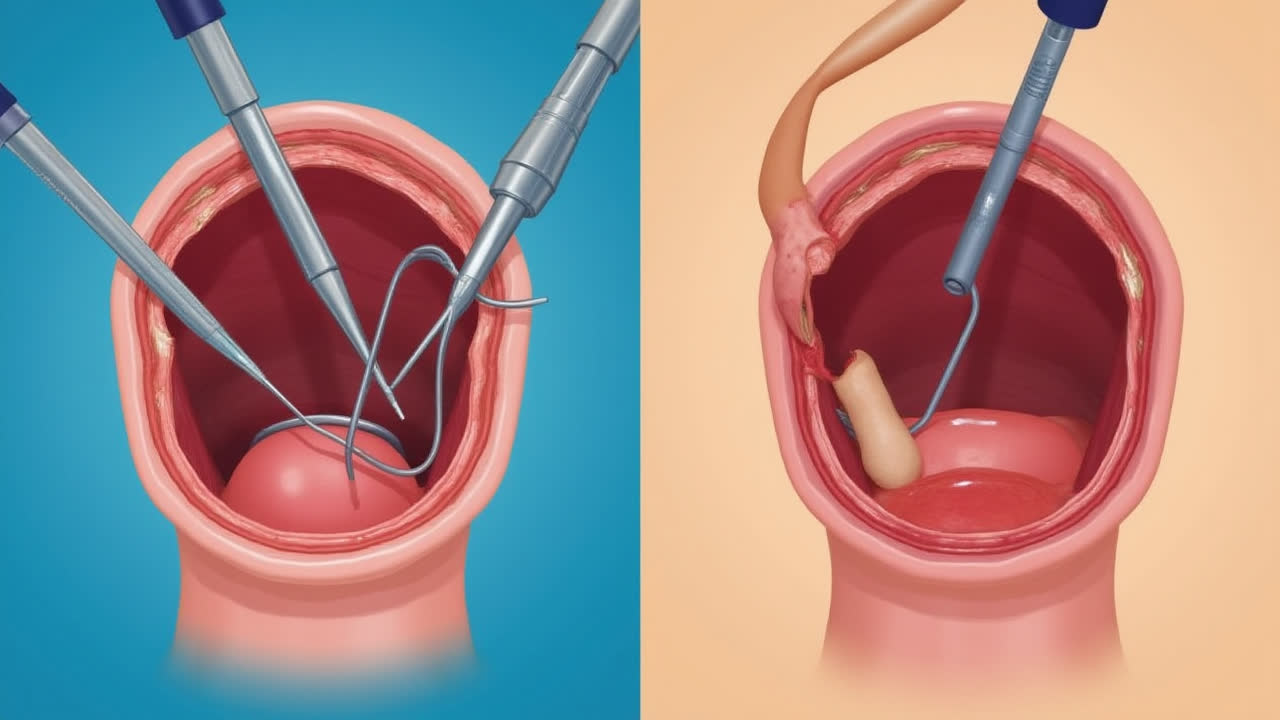
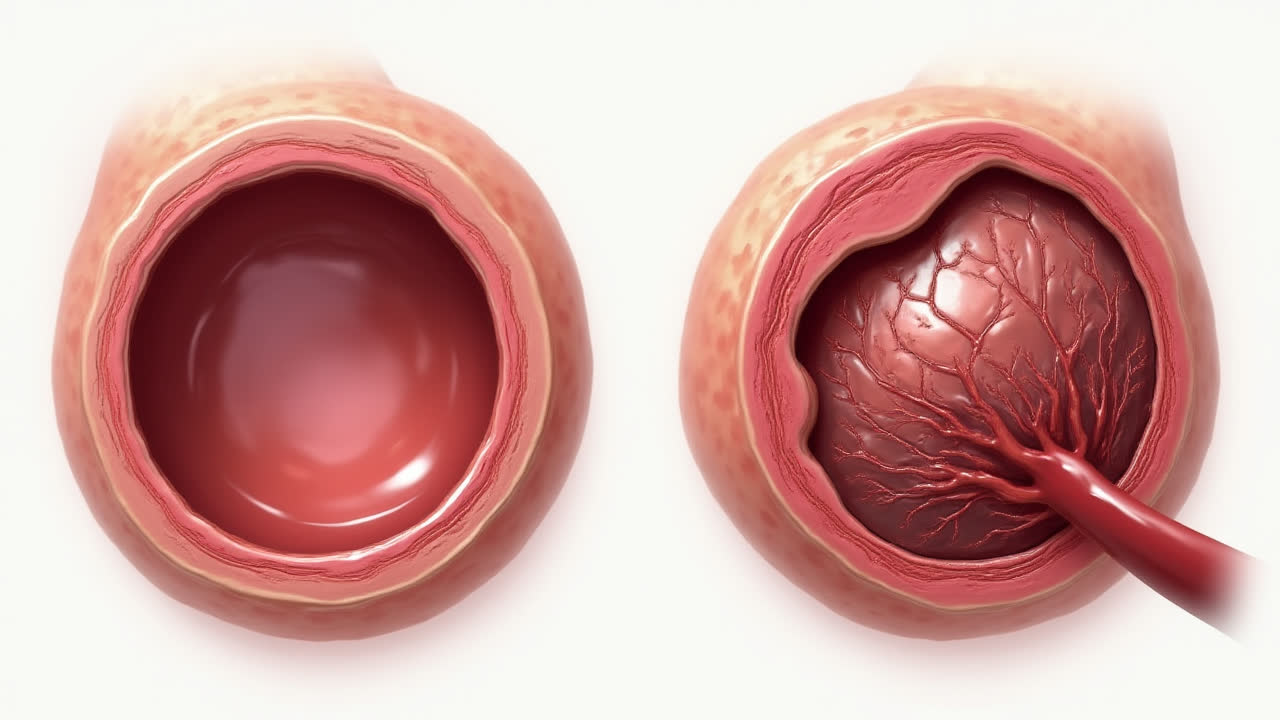
A cyst is essentially a sac-like pocket that forms within tissue. These pockets become filled with fluid, air, or semi-solid material. Think of a cyst as a balloon that gradually fills up with content that shouldn't normally be accumulated in that location. Cysts can develop almost anywhere in the body, including on the skin, within organs, or even in bones.
The structure of a cyst typically includes an outer layer known as the capsule or wall, which encapsulates the inner material. This distinguishing feature helps doctors identify cysts during examinations and imaging studies. Most cysts feel soft to the touch due to their fluid-filled nature, which is one way healthcare providers can differentiate them from other types of growths during a physical examination.
What causes these peculiar growths? The most common culprits include infections, blockage of glands or ducts, chronic inflammatory conditions, parasites, or genetic conditions. For instance, a sebaceous cyst – one of the most common types – forms when a sebaceous gland (which produces oil for your skin) becomes blocked or damaged. The oil that would normally reach your skin surface gets trapped inside, creating a slowly expanding pocket beneath the skin's surface.
While the majority of cysts (approximately 90%) are benign and pose no serious health risks, they can sometimes cause discomfort, especially if they grow large enough to press against nerves or other structures. In rare instances, some types of cysts can undergo changes that lead to cancerous development, which is why proper medical evaluation is always recommended.
Common Types of Cysts
- Sebaceous (Epidermoid) cysts - Small bumps that develop beneath the skin, often on the face, neck, or torso
- Ovarian cysts - Fluid-filled sacs that form on or within the ovaries
- Ganglion cysts - Typically appearing near joints or tendons, especially in the wrists and hands
- Pilonidal cysts - Developing near the tailbone, often containing hair and skin debris
- Breast cysts - Fluid-filled sacs within breast tissue, common in women
- Renal (kidney) cysts - Fluid-filled pouches that form in the kidneys
- Baker's cysts - Developing behind the knee due to accumulation of joint fluid
What Is a Tumor?
Unlike the fluid-filled cysts, a tumor represents an abnormal mass of tissue that forms when cells divide more rapidly than they should or when cells don't die when they should. This uncontrolled growth results in a solid mass of excess tissue. Tumors can develop in virtually any part of the body where cellular division occurs – which means almost everywhere.
The consistency of tumors tends to be firmer than cysts because they're composed of solid tissue rather than fluid. When doctors palpate a growth during an examination, this characteristic firmness often serves as an initial indicator that they might be dealing with a tumor rather than a cyst, though imaging studies are typically required for confirmation.
The causes of tumors are more complex and often not as straightforward as those of cysts. While some tumors have clear environmental triggers (such as smoking leading to lung tumors), many develop due to genetic mutations, some of which may be inherited. Other risk factors include exposure to certain chemicals or radiation, chronic inflammation, and specific viral infections. Sometimes, the exact cause remains unclear even after extensive investigation.
I remember my grandfather's puzzled expression when his doctor explained that his benign liver tumor had no identifiable cause – it's a common situation that highlights how much we still have to learn about tumor development. This uncertainty can be frustrating for patients seeking clear explanations for their conditions.
One critical distinction that must be made when discussing tumors is whether they are benign or malignant. This classification dramatically impacts both treatment approaches and overall prognosis. Let's examine these two categories in greater detail.
Benign vs. Malignant Tumors
Benign tumors are non-cancerous growths that generally grow slowly and don't spread to other parts of the body. They typically have well-defined borders and, once removed, usually don't return. Common examples include lipomas (fatty tissue tumors), fibromas (fibrous tissue tumors), and meningiomas (tumors of the membrane covering the brain and spinal cord).
While benign tumors are generally less dangerous than malignant ones, they can still cause serious health problems depending on their location. For instance, a benign brain tumor can press against crucial brain structures, potentially causing neurological symptoms or even becoming life-threatening if it blocks the flow of cerebrospinal fluid.
Malignant tumors, on the other hand, are cancerous growths characterized by their ability to invade surrounding tissues and potentially spread (metastasize) to distant parts of the body through the bloodstream or lymphatic system. These tumors often have irregular borders and can grow rapidly. Examples include carcinomas (cancers of epithelial cells), sarcomas (cancers of connective tissues), and lymphomas (cancers of lymphatic tissue).
The ability to metastasize is what makes malignant tumors particularly dangerous. When cancer cells break away from the primary tumor and establish new tumors elsewhere, treatment becomes significantly more complex and challenging, and the overall prognosis is often less favorable.
Cyst vs. Tumor: Comprehensive Comparison
| Characteristic | Cysts | Tumors |
|---|---|---|
| Composition | Sac-like structure filled with fluid, semi-solid material, or gas | Solid mass of abnormal tissue cells |
| Consistency | Usually soft and sometimes fluctuant when palpated | Typically firm or hard to the touch |
| Primary Causes | Blockage of ducts, infection, inflammation, or genetic factors | Genetic mutations, environmental factors, sometimes unknown |
| Growth Pattern | Usually grows slowly with defined boundaries | Variable growth rate; malignant tumors often grow rapidly with irregular boundaries |
| Malignancy Risk | Most are benign (about 90%); very low risk of malignancy | Can be either benign or malignant; higher overall risk of malignancy |
| Spread to Other Areas | Typically doesn't spread, though contents may leak if ruptured | Benign tumors don't spread; malignant tumors can metastasize |
| Pain | Often painless unless infected or pressing on nerves | May be painless initially; pain can develop as they grow |
| Treatment Approach | Drainage, medication, or surgical removal if necessary | Depends on type; may include surgery, radiation, chemotherapy, or monitoring |
Diagnosis: How Doctors Tell the Difference
When you visit a healthcare provider with concerns about an unusual growth, they'll typically follow a systematic diagnostic approach to determine whether you're dealing with a cyst, tumor, or something else entirely. This process usually begins with a thorough medical history and physical examination.
During the physical exam, your doctor will carefully assess the characteristics of the growth, including its size, shape, consistency, mobility, and whether it causes pain when touched. As mentioned earlier, cysts often feel soft and sometimes fluctuant (giving a sense of fluid movement when pressed), while tumors tend to feel firmer and more solid.
Beyond the initial examination, various imaging techniques play a crucial role in differentiation:
- Ultrasound - Often the first-line imaging technique, particularly useful for distinguishing fluid-filled cysts from solid tumors
- CT (Computed Tomography) scans - Provides detailed cross-sectional images that can help characterize the internal structure of growths
- MRI (Magnetic Resonance Imaging) - Offers excellent soft tissue detail, helpful for evaluating growths in complex areas
- X-rays - May be used for initial assessment, particularly for growths near or in bone
In many cases, definitive diagnosis requires taking a sample of the growth for laboratory analysis. This process, known as a biopsy, involves removing either a small portion or the entire growth for examination under a microscope. Biopsies are particularly important when there's concern about potential malignancy, as they allow pathologists to examine the actual cells and determine whether they show cancerous characteristics.
For cysts, a procedure called aspiration may be performed, which involves using a needle to withdraw fluid from the cyst. The fluid can then be analyzed for inflammatory cells, bacteria, or abnormal cells that might indicate something more serious than a simple cyst.
Treatment Approaches
The treatment approaches for cysts and tumors differ significantly based on their type, location, size, and whether they're causing symptoms or complications. Let's explore the common treatment strategies for each.
Cyst Treatment Options
Many cysts don't require treatment, especially if they're small, not causing symptoms, and have been confirmed to be benign. In these cases, your doctor might recommend a "watch and wait" approach with periodic monitoring to ensure the cyst doesn't change in concerning ways.
When treatment is necessary, options may include:
- Drainage (aspiration) - Using a needle to remove the fluid from the cyst, which may provide temporary relief but often doesn't prevent recurrence
- Injection - Some cysts may be treated by injecting medication (often a steroid) into the cyst to reduce inflammation
- Surgical removal - Complete excision of the cyst, including its wall, which offers the lowest chance of recurrence
- Medication - Antibiotics may be prescribed if the cyst is infected
The approach your doctor recommends will depend on factors such as the type of cyst, its location, your symptoms, and your overall health. For example, a dermatologist might easily remove a sebaceous cyst in an office procedure, while an ovarian cyst might require monitoring or more complex surgical intervention by a gynecologist.
Tumor Treatment Options
Treatment for tumors varies dramatically depending on whether they're benign or malignant, as well as factors like location, size, and the patient's overall health.
For benign tumors, options may include:
- Monitoring - If the tumor is small and not causing problems, regular check-ups to watch for changes
- Surgical removal - Often the treatment of choice, especially if the tumor is growing or causing symptoms
- Medication - Some types of benign tumors may respond to medication that shrinks the growth
For malignant tumors, treatment is typically more aggressive and may involve:
- Surgery - To remove the tumor and potentially some surrounding tissue
- Radiation therapy - Using high-energy rays to destroy cancer cells
- Chemotherapy - Medications that target rapidly dividing cells throughout the body
- Immunotherapy - Treatments that help the immune system recognize and attack cancer cells
- Targeted therapy - Drugs that target specific abnormalities within cancer cells
- Hormone therapy - For certain types of cancer that are affected by hormones
Many cancer patients receive a combination of these treatments as part of a comprehensive approach developed by a multidisciplinary team of specialists. The specific treatment plan is highly individualized based on the type and stage of cancer, as well as the patient's preferences and overall health status.
When to Seek Medical Attention
Whether you're dealing with a suspected cyst or tumor, certain situations warrant prompt medical evaluation. Seek medical attention if you notice:
- A lump or growth that's growing rapidly
- A growth that's painful or becomes painful
- Changes in the appearance of an existing growth (color, texture, size)
- A growth that feels hard or firmly attached to surrounding tissue
- Any symptoms associated with the growth, such as fever, weight loss, or fatigue
- A family history of cancer, particularly if it's related to the area where you've found a growth
Remember that early detection and treatment often lead to better outcomes, especially for potentially serious conditions. Don't hesitate to consult with a healthcare provider if you're concerned about any unusual growths or changes in your body.
Frequently Asked Questions About Cysts and Tumors
Can a cyst turn into a tumor or become cancerous?
While most cysts are benign and remain that way, certain types of cysts have a small risk of developing cancerous changes. For example, some ovarian cysts and pancreatic cysts can potentially become malignant over time. This is why proper medical evaluation of any unusual growth is important. Your doctor can determine the type of cyst and whether it needs to be monitored or removed as a precautionary measure. The vast majority of common cysts, such as sebaceous cysts, ganglion cysts, and most Baker's cysts, have virtually no risk of becoming cancerous.
How can I tell if a lump on my skin is a cyst or something more serious?
While only a medical professional can provide a definitive diagnosis, there are some general characteristics that might help you gauge the nature of a skin lump. Cysts typically have smooth, regular borders and move freely under the skin when gently pushed. They often grow slowly and may feel like a firm or slightly soft balloon under the skin. Warning signs that suggest a growth might be something more serious include rapid growth, irregular or asymmetric shape, changing colors, bleeding or ulceration, and pain without obvious cause like injury. If you're uncertain about a skin lump or if it displays any concerning features, it's always best to have it evaluated by a healthcare provider.
Do all tumors require surgery for treatment?
No, not all tumors require surgical intervention. The treatment approach depends on multiple factors, including whether the tumor is benign or malignant, its location, size, and how it's affecting surrounding tissues or organs. For small, benign tumors that aren't causing symptoms or located in difficult-to-access areas, doctors might recommend regular monitoring instead of immediate surgical removal. For malignant tumors, treatment options have expanded significantly beyond surgery to include radiation therapy, chemotherapy, immunotherapy, targeted therapy, and hormone therapy. Many cancer patients receive a combination of these treatments rather than surgery alone. The decision about which treatment approach is best should be made in consultation with medical specialists who can consider all relevant factors specific to your situation.
Conclusion
Understanding the differences between cysts and tumors can help alleviate unnecessary worry while also ensuring you seek appropriate medical care when needed. While both conditions involve abnormal growths in the body, they differ significantly in their composition, causes, and potential health implications.
Cysts are fluid-filled sacs that most often result from blockages, infections, or inflammation, while tumors are solid masses of tissue that develop due to abnormal cell growth and division. While most cysts and many tumors are benign, proper medical evaluation is essential to rule out more serious conditions.
Remember that only a healthcare professional can provide a definitive diagnosis, so don't hesitate to seek medical attention if you discover any unusual growths or changes in your body. Early detection and appropriate treatment are key to managing these conditions effectively and maintaining your overall health and well-being.
Have you ever dealt with a cyst or tumor? The journey through diagnosis and treatment can sometimes feel overwhelming, but with proper medical guidance and a clear understanding of your condition, you can navigate the process with confidence and peace of mind.