Borneol vs Isoborneol: Complete Comparison Guide (2026)
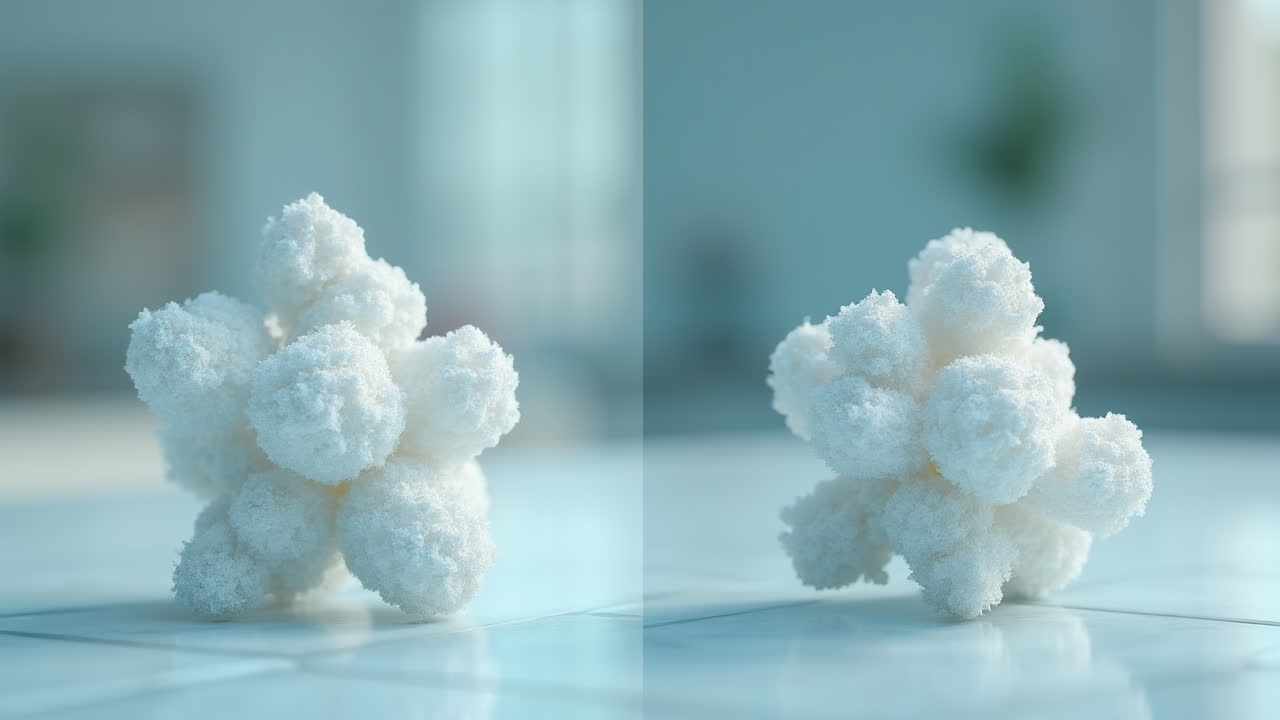
What is Borneol? Nature's Versatile Terpenoid
Borneol is a bicyclic organic compound belonging to the terpenoid class with the chemical formula C10H18O. What I find most fascinating about borneol is its widespread presence in nature – you'll find it in plants like camphor, rosemary, and certain species of Dipterocarpaceae trees. Have you ever noticed that distinctive camphor-like aroma in some traditional medicines? That's often borneol at work!
The structural configuration of borneol features a unique bicyclic ring system with two chiral centers, resulting in the existence of two enantiomers: (+)-borneol and (-)-borneol. These mirror-image molecules can exhibit different biological activities despite having the same chemical formula. One of borneol's most distinctive features is its hydroxyl (-OH) group in the endo position, meaning it's oriented toward the interior of the bicyclic ring structure.
Throughout my research, I've found that borneol has been used in traditional medicine for centuries, particularly in Asian healing practices. Modern science is now validating many of these traditional uses through research into borneol's potential anti-inflammatory, antioxidant, and neuroprotective properties. The compound's ability to enhance the permeability of the blood-brain barrier makes it particularly interesting in pharmaceutical applications, potentially helping other medications reach brain tissue more effectively.
In the flavor and fragrance industry, borneol contributes to the characteristic scent profiles of many products. Its versatility allows it to be used in everything from perfumes and colognes to chewing gum and food flavorings. I remember once working with a perfumer who described borneol as "the backbone" of certain forest-inspired fragrances – it provides that distinctive earthy, camphoraceous note that's difficult to replicate with synthetic alternatives.
Understanding Isoborneol: The Structural Isomer
Isoborneol, also known as exo-borneol, is a structural isomer of borneol with the identical chemical formula C10H18O. The primary distinction lies in its molecular configuration – specifically, the orientation of its hydroxyl group. In isoborneol, this hydroxyl group is positioned in the exo configuration, meaning it points toward the exterior of the bicyclic ring system. This seemingly minor structural difference leads to notably different properties and applications.
When I first encountered isoborneol in my studies, I was struck by its milder, fresher aroma compared to the more intense camphoraceous scent of borneol. This distinction makes isoborneol particularly valuable in certain perfumery applications where subtlety is desired. In fragrances, isoborneol often creates floral and minty notes that add complexity and depth to perfumes and personal care items.
Like borneol, isoborneol exists as two enantiomers: (+)-isoborneol and (-)-isoborneol, each with slightly different properties. The compound is found naturally in some essential oils but can also be synthesized in laboratory settings. One fascinating aspect of isoborneol is its role as a building block in organic synthesis – its unique stereochemistry makes it valuable for creating more complex molecules with specific spatial arrangements.
Isoborneol has garnered attention for its potential antimicrobial properties, which may contribute to its use as a natural preservative in various botanical preparations. During a recent project working with natural skincare formulations, I noticed that products containing isoborneol-rich ingredients tended to maintain stability longer than expected, which aligns with research suggesting its preservative capabilities.
Chemical Properties and Structural Differences
At the molecular level, both borneol and isoborneol share the same chemical foundation. They belong to the terpenoid class of compounds, which are naturally occurring organic compounds derived from five-carbon isoprene units. Both have the chemical formula C10H18O and possess a bicyclic ring system typical of many terpenoids. However, their structural disparities create significant differences in their chemical behavior.
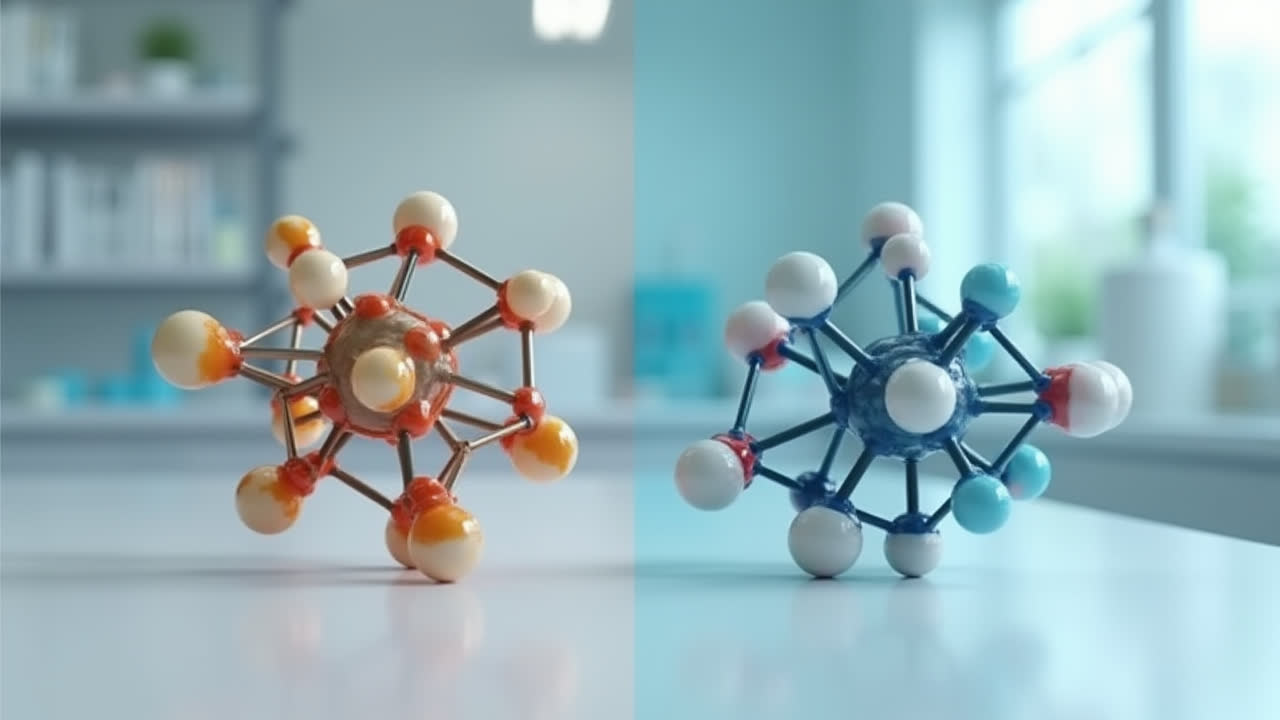
The key distinction lies in stereochemistry – specifically, the spatial arrangement of atoms around their chiral centers. In borneol, the hydroxyl group adopts an endo orientation, positioned toward the interior of the bicyclic system. Conversely, isoborneol features an exo orientation of the hydroxyl group, facing outward from the bicyclic structure. This orientation difference affects everything from reactivity to physical properties.
From my experience working with these compounds in the lab, I've observed that this structural variance leads to noticeable differences in solubility, melting points, and even reactivity patterns. Borneol typically has a higher melting point than isoborneol, reflecting differences in the strength of intermolecular forces between the molecules. These properties become crucial considerations when incorporating either compound into formulations or using them as intermediates in synthesis pathways.
The stereochemistry of these compounds also influences their interactions with biological systems. The spatial arrangement of atoms can determine how effectively a molecule binds to specific receptors or enzymes in the body, potentially explaining some of the differences in their reported biological activities. Isn't it remarkable how such a subtle molecular distinction can translate to measurable differences in practical applications?
Applications in Industry and Medicine
Both borneol and isoborneol have carved out important niches in various industries, though sometimes serving different purposes based on their unique properties. In pharmaceutical applications, borneol has gained recognition for its potential to enhance drug delivery across the blood-brain barrier, making it a valuable adjuvant in certain formulations. I've followed studies exploring borneol's role in improving the efficacy of treatments for neurological conditions – a promising avenue that highlights the compound's clinical potential.
The fragrance industry utilizes both compounds, but often for creating different olfactory experiences. Borneol tends to provide stronger, more camphoraceous notes, while isoborneol contributes milder, fresher accents to perfume compositions. During a workshop with a master perfumer last year, I learned that the choice between these isomers can significantly influence a fragrance's character and longevity on the skin.
In organic synthesis, both compounds serve as valuable chiral auxiliaries, helping to control stereochemistry in the creation of more complex molecules. Their rigid bicyclic structures and well-defined stereochemistry make them excellent templates for building larger molecules with specific three-dimensional arrangements. This application is particularly important in pharmaceutical development, where the spatial orientation of functional groups can determine a drug's efficacy and safety profile.
Traditional medicine systems, particularly in East Asian cultures, have employed borneol-containing herbs for centuries. Modern research is now investigating the scientific basis for these traditional uses, with studies exploring borneol's potential anti-inflammatory, antioxidant, and analgesic properties. Meanwhile, isoborneol has shown promise as a natural preservative and antimicrobial agent, potentially offering alternatives to synthetic preservatives in natural product formulations.
Detailed Comparison: Borneol vs Isoborneol
| Characteristic | Borneol | Isoborneol |
|---|---|---|
| Chemical Configuration | Endo orientation of hydroxyl group | Exo orientation of hydroxyl group |
| Aroma Profile | Strong, camphoraceous, woody | Milder, fresher, with floral and minty notes |
| Melting Point | Generally higher (208-210°C) | Generally lower (212-214°C) |
| Primary Industrial Uses | Pharmaceutical intermediates, fragrance ingredients, synthesis of camphor | Fragrance components, chiral building blocks, natural preservatives |
| Biological Activity | Known for potential neuroprotective, anti-inflammatory effects | Notable for potential antimicrobial, antioxidant properties |
| Natural Sources | Dipterocarpus species, rosemary, some Artemisia species | Certain essential oils, particularly from conifers |
| Role in Traditional Medicine | Widely used, especially in Asian healing systems | Less commonly specified in traditional formulations |
| Conversion to Camphor | More readily oxidized to camphor | Must first be converted to borneol before oxidation |
Health Benefits and Research Developments
Recent scientific investigations have revealed fascinating potential health benefits for both borneol and isoborneol. Borneol has demonstrated promising neuroprotective properties in preliminary studies, potentially offering protection against oxidative stress and inflammation in neural tissues. During a conversation with a neuropharmacology researcher, I learned that borneol's ability to cross the blood-brain barrier makes it particularly interesting as a component in treatments targeting neurological conditions.
Anti-inflammatory activity is another area where borneol shows promise. Several studies have investigated its potential to reduce inflammatory markers and alleviate inflammation-related symptoms. This research provides scientific context for traditional uses of borneol-containing herbs in treating inflammatory conditions. I've personally been following a research group investigating borneol's potential in managing arthritic conditions – their preliminary findings suggest possible benefits, though more clinical research is certainly needed.
Isoborneol, meanwhile, has been studied for its antimicrobial properties, with research suggesting efficacy against certain bacteria and fungi. This activity makes it potentially valuable as a natural preservative in cosmetics and personal care products. In an era where consumers increasingly seek natural alternatives to synthetic preservatives, isoborneol presents an intriguing option for formulators and manufacturers.
Both compounds have demonstrated antioxidant capabilities, though the specific mechanisms and potency may differ. These antioxidant properties could contribute to their potential health benefits, helping to neutralize harmful free radicals in the body. While research is still evolving, these findings suggest that the traditional uses of borneol and isoborneol-containing herbs may have scientific merit worth exploring further in modern medical contexts.
Frequently Asked Questions
How are borneol and isoborneol extracted from natural sources?
Borneol and isoborneol are typically extracted from plant materials through steam distillation or solvent extraction methods. For borneol, common sources include Dryobalanops aromatica (borneo camphor tree), certain Dipterocarpus species, and herbs like rosemary and thyme. Extraction usually involves breaking down the plant material, then using steam to carry volatile compounds into a condenser where they're collected. For commercial production, synthetic methods are also employed, often starting from α-pinene or camphor as precursors. The extraction process requires careful temperature control to preserve the compounds' integrity and prevent conversion between isomers during processing.
Can borneol and isoborneol be converted into each other?
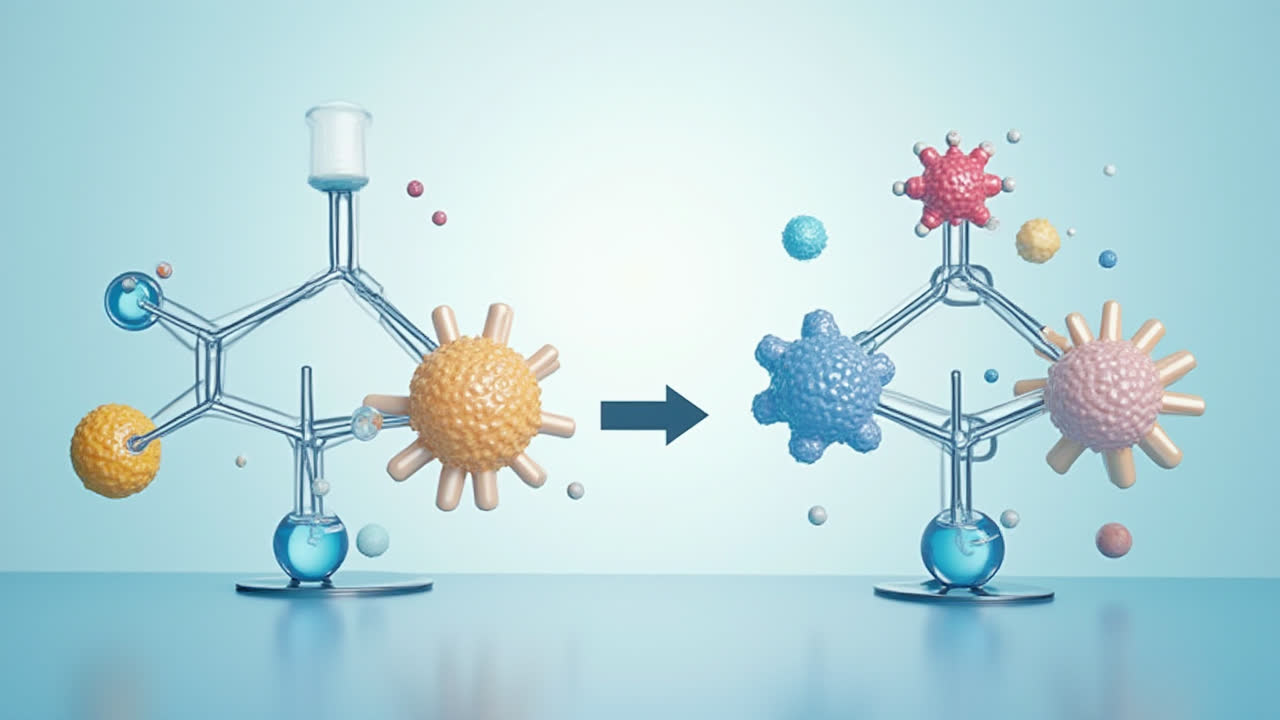
Yes, borneol and isoborneol can be interconverted through chemical processes. This conversion typically involves an equilibrium reaction under acidic conditions that allows the hydroxyl group to switch between the endo position (borneol) and exo position (isoborneol). The process is known as epimerization and occurs via a carbocation intermediate. In laboratory settings, this conversion can be controlled by selecting specific reagents and reaction conditions. Interestingly, the conversion tends to favor borneol under thermodynamic conditions, while kinetic control can yield higher proportions of isoborneol. This interconvertibility is important in industrial applications where one isomer may be more readily available but the other is desired for specific purposes.
Are borneol and isoborneol safe for use in consumer products?
Both borneol and isoborneol are generally recognized as safe (GRAS) by regulatory authorities when used at appropriate concentrations in consumer products. They have a long history of use in fragrances, cosmetics, and traditional medicines. The Flavor and Extract Manufacturers Association (FEMA) has approved borneol for use as a food additive, and it appears in the FDA's list of substances generally recognized as safe. However, like many natural compounds, they can cause sensitization or allergic reactions in some individuals. Concentration limits are typically established for different product categories to ensure safety. For example, in fragrances, the International Fragrance Association (IFRA) provides guidelines for maximum concentrations. Always perform patch tests when using products containing these compounds if you have sensitive skin or allergies.
Conclusion: Understanding the Unique Roles of Borneol and Isoborneol
The exploration of borneol and isoborneol reveals how seemingly minor structural differences can lead to distinct properties and applications in chemistry, medicine, and industry. While sharing the same chemical formula and bicyclic terpenoid framework, these isomers differ primarily in the orientation of their hydroxyl groups – borneol featuring an endo configuration and isoborneol an exo arrangement.
This structural distinction influences everything from their aromatic profiles to their biological activities and industrial applications. Borneol, with its stronger camphoraceous scent and documented neuroprotective potential, has secured its place in both traditional medicine systems and modern pharmaceutical research. Isoborneol, offering a milder fragrance and promising antimicrobial properties, finds particular value in perfumery and as a natural preservative.
As research continues to uncover the potential benefits of these fascinating compounds, we may see expanded applications in pharmaceuticals, cosmetics, and natural product formulations. The story of borneol and isoborneol serves as a compelling reminder of nature's chemical diversity and the importance of stereochemistry in determining compound functionality. Whether you're a chemistry enthusiast, a natural product formulator, or simply curious about the molecular world around us, these isomeric compounds offer valuable insights into the intricate relationship between structure and function in organic chemistry.