Biochemistry vs Molecular Biology: 7 Key Differences Explained
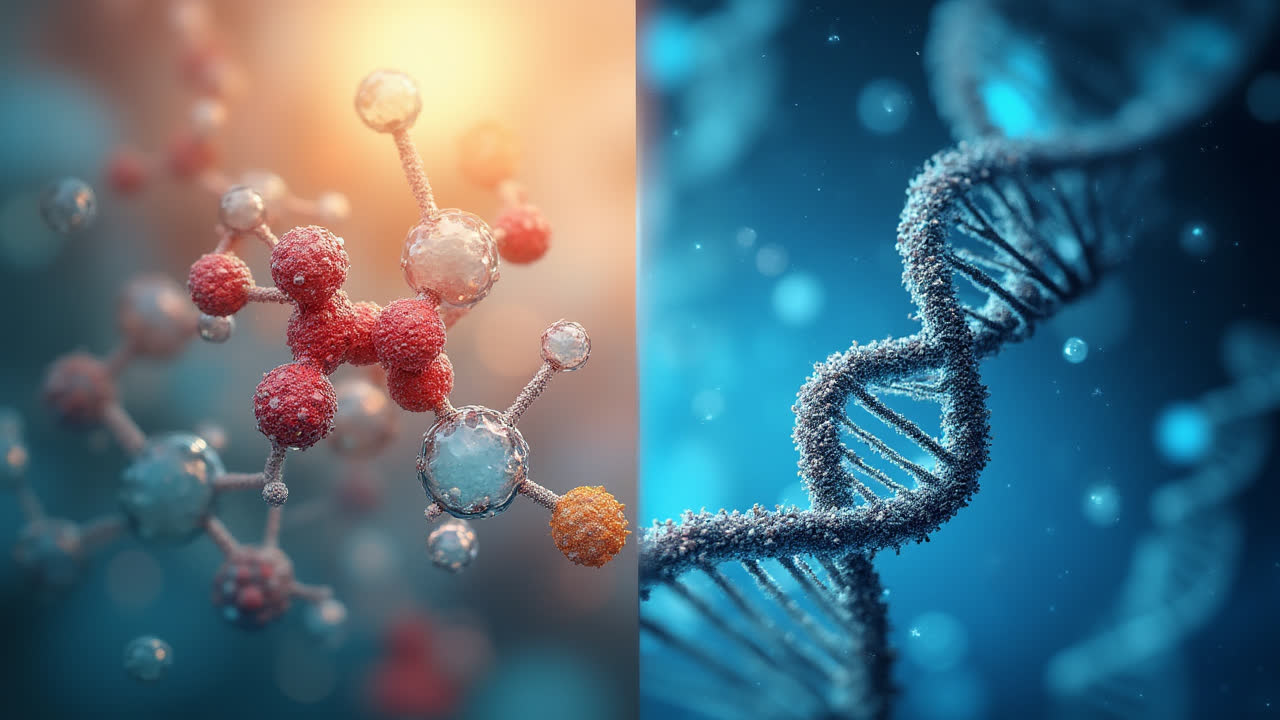
Ever wondered about the difference between biochemistry and molecular biology? I certainly did when I was first exploring career paths in biological sciences. These two fascinating fields often overlap in university departments and research labs, yet they maintain distinct identities with unique approaches to understanding life at its most fundamental level. While both disciplines investigate the microscopic machinery of living organisms, they do so through different lenses and with distinct objectives.
Understanding the Foundations: What Sets These Fields Apart
At their core, biochemistry and molecular biology represent two complementary approaches to studying life. Biochemistry emerged earlier as scientists began applying chemistry principles to biological systems. I've always found it helpful to think of biochemistry as the "chemistry of life" – it's concerned with the chemical compounds and reactions that make living things function. From metabolic pathways to enzyme kinetics, biochemists want to know how biological molecules interact and transform.
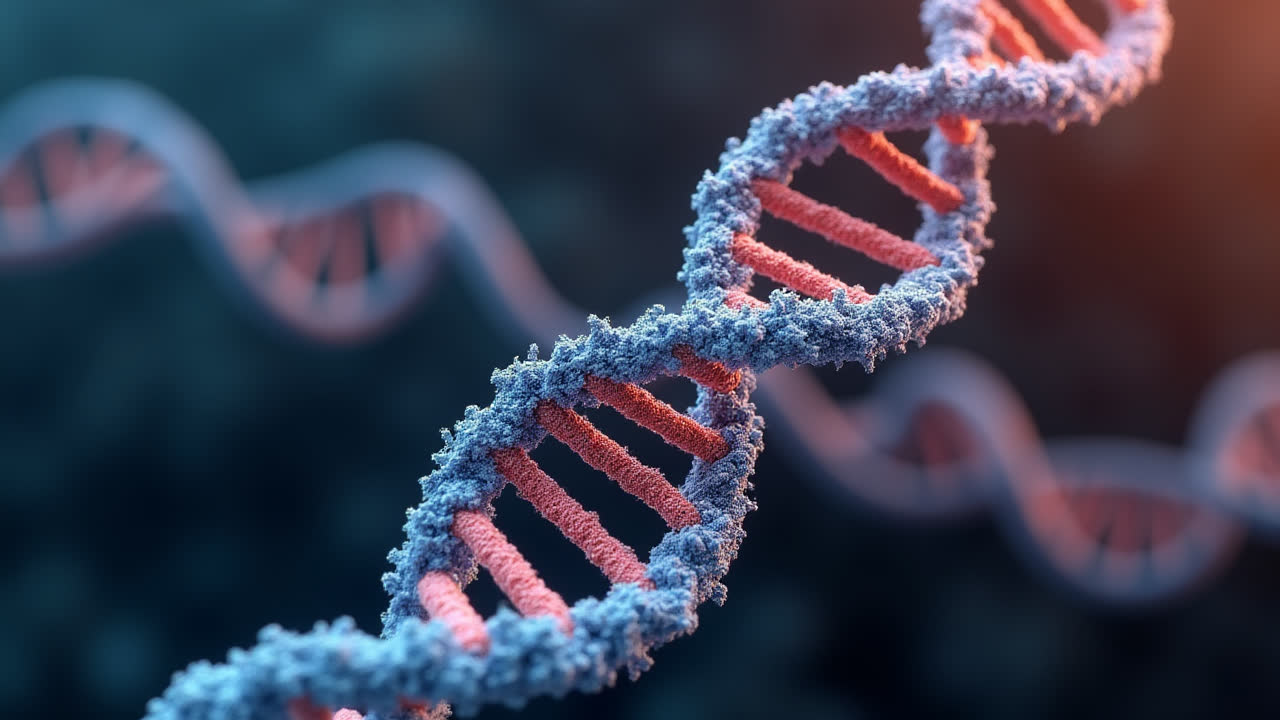
Molecular biology, on the other hand, developed later with the discovery of DNA's structure and focuses more specifically on how genetic information is stored, transferred, and expressed. In my conversations with molecular biologists, they often describe their field as investigating the "information processing" of life. They're particularly interested in nucleic acids (DNA and RNA) and the proteins they encode – essentially, how genetic instructions become functional molecules.
I remember struggling with this distinction during my undergraduate studies until a professor put it this way: "Biochemistry asks 'how does this molecule work?' while molecular biology asks 'how did this molecule get here and what does it do?'" That simple explanation clicked for me, highlighting how biochemistry tends to focus on mechanisms and reactions while molecular biology emphasizes information flow and macromolecular function.
Both fields have evolved dramatically since their inception. Modern biochemistry now incorporates sophisticated techniques for analyzing protein structures and interactions, while molecular biology has expanded beyond its initial focus on genes to include complex regulatory networks and cellular signaling. Yet despite this evolution and considerable overlap, the fundamental distinction in their approaches remains relevant today.
Core Focus Areas: Different Questions, Different Approaches
Biochemistry casts a wider net in terms of the molecules it studies. Besides nucleic acids and proteins, biochemists dedicate significant attention to lipids, carbohydrates, and the myriad smaller molecules involved in metabolism. One fascinating aspect of biochemistry that I've always appreciated is its investigation of metabolic pathways – those elegant sequences of chemical reactions that transform nutrients into energy and building blocks for cells.
During my time in a biochemistry lab, I spent weeks studying a single enzyme involved in cellular respiration, meticulously measuring how subtle changes in pH and temperature affected its activity. This microscopic focus on reaction mechanisms and molecular transformations exemplifies the biochemical approach – understanding the chemical language of life, one reaction at a time.
Molecular biology, meanwhile, zeroes in on the central dogma: how DNA is transcribed into RNA, which is then translated into proteins. Molecular biologists are particularly interested in gene expression – the complex processes that determine which genes are activated and when. They might investigate how DNA is packaged, how specific genes are regulated, or how mutations affect protein function.
I'll never forget watching a molecular biology demonstration where researchers used fluorescent markers to track the movement of messenger RNA within living cells. It was like watching the biological equivalent of a postal service – genetic messages being delivered precisely where they needed to go. This focus on information flow and genetic instructions sets molecular biology apart from the more chemically-oriented biochemistry.
Techniques and Methodologies: Different Tools for Different Questions
While both disciplines share some techniques, each has developed specialized methodologies suited to their particular questions. Isn't it fascinating how the questions we ask shape the tools we develop?
Traditional biochemical techniques often focus on purifying and characterizing individual molecules or studying reactions in controlled environments. Chromatography, for example, allows biochemists to separate complex mixtures of molecules based on their physical and chemical properties. Enzyme assays help determine how quickly reactions occur and what factors influence their rates. Protein crystallography reveals the three-dimensional structures of proteins, providing insights into how these molecular machines function.
I once spent an entire summer learning protein purification techniques, and while the work was painstaking, there was something deeply satisfying about starting with a complex cellular soup and ending with a pure, active enzyme. The biochemist's toolkit is designed to isolate, measure, and manipulate biological molecules to understand their properties and behaviors.
Molecular biology techniques, meanwhile, center around manipulating and analyzing nucleic acids. Polymerase chain reaction (PCR) allows scientists to amplify specific DNA sequences from tiny samples. Gel electrophoresis separates DNA or protein fragments by size. DNA sequencing determines the precise order of nucleotides in a DNA molecule. These techniques enable molecular biologists to read, copy, cut, and paste genetic information with remarkable precision.
Perhaps the most revolutionary molecular biology technique I've witnessed during my career is CRISPR-Cas9 gene editing, which allows scientists to modify DNA sequences with unprecedented precision. This technology has transformed not just molecular biology but numerous fields of science and medicine, highlighting how technique development in one discipline can catalyze breakthroughs across many others.
Comprehensive Comparison: Biochemistry vs Molecular Biology
| Comparison Point | Biochemistry | Molecular Biology |
|---|---|---|
| Definition | Study of chemical processes and substances in living organisms | Study of structure and function of macromolecules essential to life |
| Primary Focus | Chemistry of life processes | Genetic information storage, transfer, and expression |
| Key Biomolecules | Proteins, nucleic acids, carbohydrates, lipids | Primarily nucleic acids and proteins |
| Sub-disciplines | Molecular genetics, protein science, metabolism | Functions as a specialized branch of biochemistry |
| Common Techniques | Protein purification, chromatography, enzyme assays, protein crystallography | PCR, gel electrophoresis, macromolecular blotting, microarrays |
| Typical Research Focus | Known products of unknown genes | Known products of known genes |
| Historical Development | Emerged earlier from application of chemistry to biological systems | Developed later following discoveries about DNA structure and function |
| Career Applications | Pharmaceutical industry, nutrition, metabolic disease research | Genetic testing, biotechnology, gene therapy development |
Overlapping Territories: Where The Fields Converge
Despite their differences, these fields aren't isolated islands – they're more like overlapping territories with fuzzy boundaries. Many modern research questions require approaches from both disciplines. Take protein synthesis, for example. A biochemist might focus on the chemical reactions that link amino acids together, while a molecular biologist might investigate how the genetic code determines which amino acids are incorporated. Both perspectives are valuable and complementary.
I've noticed that in most university departments, these fields are increasingly taught together, recognizing their fundamental interconnectedness. Many researchers now identify as working in "molecular and cellular biochemistry" or similar hybrid designations that acknowledge the artificial nature of strict disciplinary boundaries.
Some of the most exciting research happens at these disciplinary intersections. When molecular biology techniques are combined with biochemical approaches, scientists gain a more complete understanding of biological systems. For instance, studies of the microbiome – the vast community of microorganisms that live in and on the human body – often blend molecular biology techniques to identify bacterial species with biochemical analyses of the metabolites they produce.
During a collaborative project I participated in, molecular biologists identified a previously unknown protein involved in cellular stress responses, while biochemists characterized its structure and catalytic activity. Neither group could have told the complete story alone – it was the combination of approaches that yielded meaningful insights. This kind of interdisciplinary work increasingly defines modern biological research.
Practical Applications: Different Career Trajectories
The distinctions between biochemistry and molecular biology extend into career applications as well. Biochemistry graduates might find themselves working in pharmaceutical companies, developing enzyme-based industrial processes, or studying metabolic disorders. Their expertise in the chemistry of biological systems makes them valuable in contexts where understanding and manipulating biochemical reactions is paramount.
A friend of mine who majored in biochemistry now works for a brewery, applying her knowledge of enzyme kinetics to optimize fermentation processes. Another works in a clinical laboratory, where she analyzes patient samples for metabolic markers of disease. The biochemical perspective – focusing on reactions, metabolites, and energy transformations – provides unique insights in these contexts.
Molecular biology graduates, meanwhile, often gravitate toward careers in genetic testing, biotechnology, or genomics research. Their training in manipulating and analyzing nucleic acids prepares them for work involving genetic information and its applications. I've watched several colleagues with molecular biology backgrounds transition into the booming field of personalized medicine, where their expertise in genetic analysis helps tailor treatments to individual patients' genetic profiles.
Of course, many scientists move fluidly between these fields throughout their careers, acquiring new skills as needed to address their research questions. The boundaries between biochemistry and molecular biology are permeable, and many successful scientists draw from both disciplines. In fact, I'd argue that the most innovative researchers are those who can integrate biochemical and molecular biological perspectives to tackle complex problems from multiple angles.
Frequently Asked Questions
Is molecular biology a branch of biochemistry?
Yes, molecular biology is often considered a specialized branch of biochemistry that focuses specifically on the structure, function, and interactions of nucleic acids and proteins. While biochemistry encompasses a broader range of biological molecules and reactions, molecular biology zooms in on the molecular mechanisms of genetic information storage, transfer, and expression. However, as molecular biology has evolved, it has developed its own distinct methodologies and research questions, leading many universities to treat it as a separate but related discipline.
Which is better to study: biochemistry or molecular biology?
Neither field is inherently "better" - the best choice depends on your specific interests and career goals. If you're fascinated by chemical reactions, metabolic pathways, and a wide range of biomolecules, biochemistry might be more appealing. If you're particularly interested in genes, DNA, and how genetic information is processed, molecular biology might be the better fit. Many undergraduate programs now offer combined majors that provide training in both areas, giving students flexibility in their future career paths. I recommend exploring introductory courses in both subjects before deciding which path to pursue.
What are the key techniques used in biochemistry versus molecular biology?
Biochemistry typically employs techniques like protein purification, enzyme assays, chromatography, spectroscopy, and protein crystallography - methods designed to isolate, characterize, and study the properties of biological molecules and their reactions. Molecular biology, meanwhile, relies heavily on techniques for manipulating and analyzing nucleic acids, including PCR (polymerase chain reaction), gel electrophoresis, DNA sequencing, cloning, CRISPR gene editing, and various hybridization methods like Southern and Northern blotting. While there's significant overlap in the techniques used across these fields today, each discipline has developed specialized methodologies suited to its particular research questions.
Conclusion: Complementary Approaches to Understanding Life
While biochemistry and molecular biology approach the study of life from different angles, they ultimately complement each other in our quest to understand biological systems. Biochemistry provides insights into the chemical reactions and molecular transformations that sustain life, while molecular biology illuminates how genetic information guides these processes.
The main difference between biochemistry and molecular biology lies in their fundamental approach: biochemistry studies the chemistry of life processes, while molecular biology focuses on the structure and function of the macromolecules that carry genetic information. Biochemistry casts a wider net in terms of the molecules it studies, while molecular biology zeroes in on nucleic acids and the proteins they encode.
As science progresses, the boundaries between these fields continue to blur, with many researchers drawing from both disciplines to address complex biological questions. Whether you're more drawn to the chemical reactions of biochemistry or the genetic focus of molecular biology, both fields offer exciting opportunities to explore the molecular foundations of life. And who knows? Perhaps the next great breakthrough will come from someone who skillfully bridges these two fascinating disciplines.