Understanding the Key Differences Between Assimilation and Multiculturalism
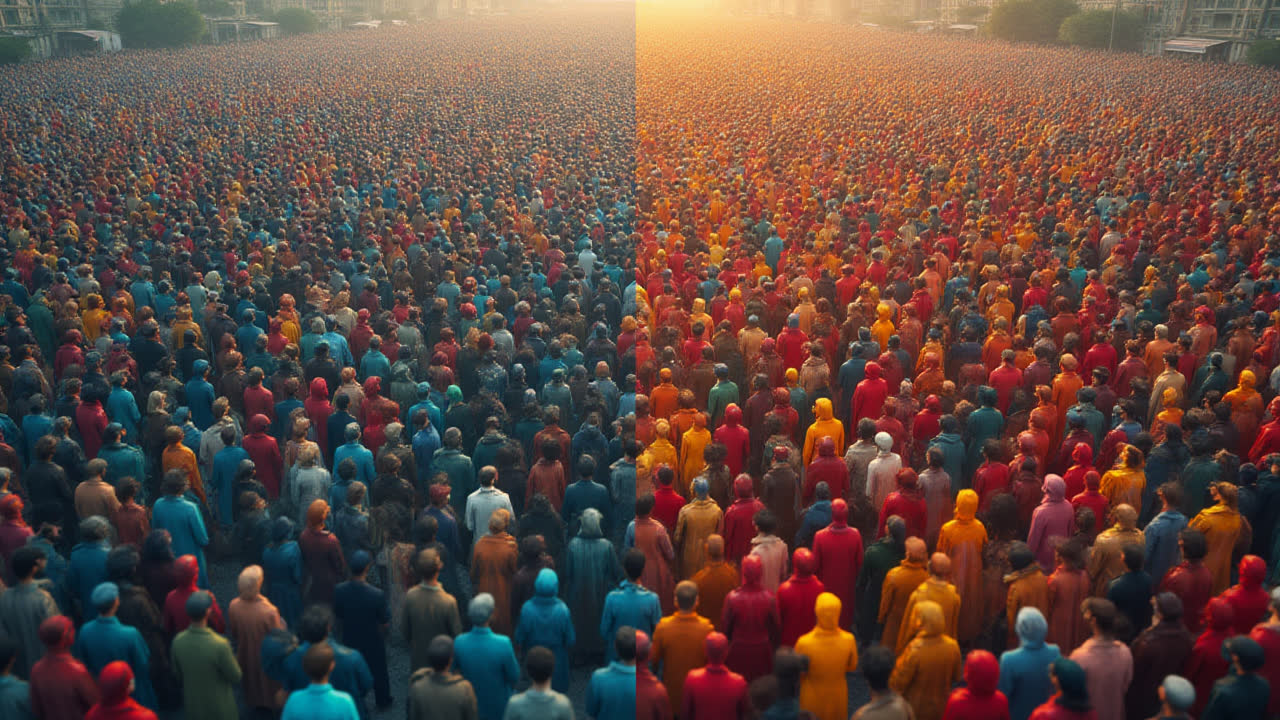
In our increasingly diverse global society, the concepts of assimilation and multiculturalism represent two fundamentally different approaches to managing cultural diversity. These concepts shape immigration policies, education systems, and social integration strategies across different nations. But what exactly sets these two approaches apart? This article explores the nuanced differences between assimilation and multiculturalism, examining their underlying philosophies, methods, and real-world applications.
When newcomers arrive in a different country or when minority groups exist within a larger society, questions inevitably arise about how these different cultural identities should interact. Should minorities adapt completely to the dominant culture, or should societies embrace a tapestry of different cultural expressions? These questions lie at the heart of the assimilation versus multiculturalism debate.
What is Assimilation?
Assimilation refers to the process by which minority cultural groups within a mainstream society gradually adopt the characteristics, values, and behaviors of the dominant culture. This process often involves minorities shedding aspects of their original cultural identity to become indistinguishable from the majority population. Think of it as a "melting pot" approach, where different cultural elements blend into one homogeneous culture.
The concept of cultural assimilation is closely related to acculturation, though they aren't identical. While acculturation involves cultural exchange that can go in multiple directions, assimilation typically flows in one direction—from the minority group toward the dominant culture. In full cultural assimilation, members of minority groups become virtually indistinguishable from the mainstream society in terms of cultural practices, language use, and social behaviors.
Have you ever noticed how second or third-generation immigrants often speak their ancestral language less fluently than their parents or grandparents? This is a common example of assimilation at work. Over time, the pressure to conform to mainstream practices can lead to a gradual loss of original cultural elements.
It's worth noting that assimilation can occur in different ways. Sometimes it happens naturally and voluntarily, as minority groups willingly adopt mainstream practices for practical reasons or social benefits. Other times, it may be forced through explicit policies that prohibit minority cultural expressions or through subtle social pressures that marginalize those who maintain distinct cultural identities.
Historical examples of assimilation policies include the "Americanization" campaigns in early 20th century United States, which pressured immigrants to abandon their native languages and customs in favor of English and American cultural norms. Similarly, many Indigenous peoples worldwide have faced intensive assimilation pressures through residential school systems that separated children from their cultural roots.
What is Multiculturalism?
In contrast to assimilation, multiculturalism represents an approach where cultural diversity is not only tolerated but celebrated and preserved. Rather than expecting minorities to conform to mainstream culture, multiculturalism acknowledges and embraces the unique characteristics of different cultural, ethnic, and racial groups within society. This approach can be likened to a "cultural mosaic" or "salad bowl," where distinct cultural identities remain visible while coexisting within the broader society.
Multiculturalism emerged as a response to the recognition that cultural diversity is an inherent aspect of modern democracies. It acknowledges that many minority cultural and social groups have historically faced discrimination, exclusion, and oppression due to their different cultural identities. By valuing diversity, multiculturalism seeks to create more equitable societies where cultural differences are respected rather than erased.
The implementation of multiculturalism can take various forms across different societies. It might involve recognizing minority cultural contributions to national identity, providing legal protections for cultural practices, supporting heritage language education, or even granting certain autonomous rights to specific cultural groups. Countries like Canada and Australia have formally adopted multiculturalism as official policy, while others incorporate multicultural elements more selectively.
When I walk through neighborhoods in cities like Toronto or London, I'm always struck by how different cultural traditions can thrive side by side—places of worship for various religions stand near each other, restaurants offer cuisine from around the world, and cultural festivals celebrate diverse heritages throughout the year. These visible manifestations of cultural diversity reflect a multicultural approach to social integration.
Comparing Assimilation and Multiculturalism
| Aspect | Assimilation | Multiculturalism |
|---|---|---|
| Core Philosophy | Minorities should adopt mainstream culture's values and practices | Cultural diversity should be preserved and celebrated |
| Approach to Difference | Reduces cultural differences | Recognizes and values cultural differences |
| Cultural Power Dynamic | Dominant culture sets the standard for integration | Multiple cultures coexist with relative equality |
| Language Policy | Often emphasizes dominant language acquisition | May support multilingualism and heritage language maintenance |
| Identity Outcome | Single, unified national identity | Multiple cultural identities within national framework |
| Historical Association | Nation-building in 19th and early 20th centuries | Post-1960s responses to civil rights movements |
| Example Countries | Historically France, pre-1970s United States | Canada, Australia, Sweden |
| Social Cohesion Method | Unity through similarity | Unity through mutual respect of differences |
The Social and Political Implications
The choice between assimilation and multiculturalism carries significant implications for how societies function. Assimilation advocates often argue that a shared cultural foundation strengthens social cohesion and creates a stronger sense of national unity. They suggest that common values, language, and cultural practices help societies function more smoothly with fewer conflicts arising from cultural misunderstandings.
On the other hand, supporters of multiculturalism point out that forcing minorities to abandon their cultural heritage can cause psychological harm, social marginalization, and resistance. They argue that true equality comes from respecting diverse cultural expressions rather than requiring conformity to a dominant standard. Multicultural approaches recognize that cultural diversity brings valuable perspectives, innovations, and richness to society.
Both approaches face legitimate challenges. Assimilation risks erasing valuable cultural heritage and disempowering minority communities. Meanwhile, multiculturalism can sometimes struggle with questions about where to draw boundaries when certain cultural practices conflict with widely held values or human rights principles. Finding the right balance between respecting cultural diversity and maintaining shared civic values remains an ongoing challenge for diverse societies.
The debate isn't purely theoretical—it shapes real policies affecting millions of people. Education systems, for instance, might emphasize standardized national curricula that reflect dominant cultural perspectives (an assimilationist approach) or incorporate diverse cultural content and perspectives (a multicultural approach). Immigration policies might require language tests and cultural knowledge examinations (assimilation-oriented) or provide services in multiple languages and support for cultural community development (multiculturalism-oriented).
Case Studies: Assimilation and Multiculturalism in Practice
France: The Assimilation Model
France has historically followed an assimilation model based on the republican ideal of creating citizens who identify primarily with French national culture. The French approach emphasizes secularism (laïcité) in public spaces and institutions, restricting visible religious symbols in schools and government buildings. French language acquisition is strongly emphasized, and public discourse often focuses on becoming "French" rather than maintaining hyphenated identities.
This approach stems from France's revolutionary history and emphasis on equality through uniformity. However, it has sometimes created tensions, particularly with more recent immigrant communities who may feel that their cultural and religious practices are not fully respected. The debate over Muslim head coverings in public schools exemplifies the challenges of strict assimilation policies in diverse modern societies.
Canada: The Multicultural Model
In contrast, Canada formally adopted multiculturalism as official policy in 1971 and enshrined it in the Canadian Charter of Rights and Freedoms in 1982. The Canadian approach actively promotes cultural diversity as central to national identity, supporting heritage language programs, cultural festivals, and accommodations for diverse religious practices.
Canada's multicultural approach recognizes both French and English as official languages while also supporting Indigenous languages and immigrant heritage languages. The government provides funding for cultural programs and takes steps to ensure diverse representation in public institutions. While not without challenges, Canada's multicultural model has generally been associated with relatively successful integration outcomes and high levels of immigrant civic participation.
I once attended a citizenship ceremony in Toronto where new Canadians took their oath in both English and French, while many proudly wore traditional clothing from their countries of origin. The ceremony explicitly celebrated the diverse backgrounds that new citizens brought to the Canadian mosaic—a vivid illustration of multiculturalism in practice.
Beyond the Binary: Hybrid Approaches
While assimilation and multiculturalism are often presented as opposing models, many societies actually implement hybrid approaches that combine elements of both. These hybrid models recognize that some degree of shared cultural understanding is necessary for social functioning while still valuing cultural diversity.
For instance, many countries expect newcomers to learn the dominant language and respect core civic values (elements of assimilation) while simultaneously protecting rights to cultural expression and religious freedom (elements of multiculturalism). The term "integration" is sometimes used to describe this middle path, where minorities participate fully in mainstream society while maintaining aspects of distinct cultural identity.
Interestingly, the relationship between assimilation and multiculturalism sometimes evolves over time within the same society. Countries that once strongly emphasized assimilation, like Australia with its former "White Australia" policy, have later shifted toward more multicultural approaches. Similarly, some countries that embraced multiculturalism have periodically reconsidered certain aspects in response to social tensions or changing political climates.
These shifts remind us that approaches to cultural diversity aren't static—they respond to changing demographics, social movements, global influences, and evolving understandings of identity and belonging. What works for one generation or historical context may need adaptation for another.
Frequently Asked Questions
Is assimilation always forced, or can it be voluntary?
Assimilation can occur both voluntarily and involuntarily. Voluntary assimilation happens when individuals or groups willingly adopt the dominant culture's practices, often for practical benefits like economic opportunities or social acceptance. Involuntary assimilation occurs when there are direct policies that prohibit minority cultural expressions or strong social pressures that marginalize those who maintain distinct cultural identities. Throughout history, we've seen examples of both—from immigrants choosing to learn a new language to improve job prospects to Indigenous peoples being forbidden from speaking their native languages in residential schools.
Does multiculturalism lead to social fragmentation?
Critics of multiculturalism sometimes argue that it may lead to social fragmentation by emphasizing differences rather than commonalities. However, research suggests that inclusive multicultural policies, when properly implemented, can actually strengthen social cohesion by reducing marginalization and creating a sense of belonging among diverse groups. The key appears to be balancing respect for cultural diversity with the development of shared civic values and cross-cultural interaction. Countries with strong multicultural policies like Canada often show high levels of national pride among immigrants and minorities. That said, successful multiculturalism requires thoughtful implementation and ongoing dialogue about shared values alongside cultural difference.
How do second and third generations navigate between assimilation and multiculturalism?
Second and third-generation descendants of immigrants often develop complex, hybrid identities that reflect elements of both their ancestral culture and the mainstream society. Many develop what sociologists call "selective acculturation," where they adopt certain aspects of the mainstream culture (often in public spheres like work and education) while maintaining other aspects of their heritage culture (often in private spheres like home and community). This navigation isn't always smooth—many experience tensions between different aspects of their identity or face pressure from both their ethnic community and the wider society. However, these bicultural or multicultural identities can also be a source of strength, providing varied perspectives and cultural resources. Digital communication and globalization have made it increasingly possible to maintain transnational connections that support cultural maintenance even amid significant integration.
Conclusion
The distinction between assimilation and multiculturalism represents more than just academic theory—it reflects fundamental questions about identity, belonging, and social organization in diverse societies. While assimilation emphasizes conformity to a dominant cultural standard, multiculturalism celebrates the preservation of diverse cultural identities within a cohesive national framework.
Neither approach offers a perfect solution to the complex challenges of diverse societies. Assimilation risks cultural erasure and the marginalization of minority experiences, while multiculturalism faces challenges in defining shared values and addressing practices that may conflict with broader social norms. Most functional diverse societies ultimately adopt elements of both approaches, seeking a balance that promotes both social cohesion and respect for diversity.
As our world becomes increasingly interconnected and mobile, questions about how to navigate cultural difference will only grow more important. The ongoing conversation between assimilation and multiculturalism continues to evolve, shaped by changing demographics, historical reckonings with past injustices, and emerging understandings of identity in a global age. By understanding these different approaches, we can contribute more thoughtfully to building societies that are both unified and respectful of human diversity.