Aioli vs Mayonnaise: What's the Real Difference? 2026 Guide
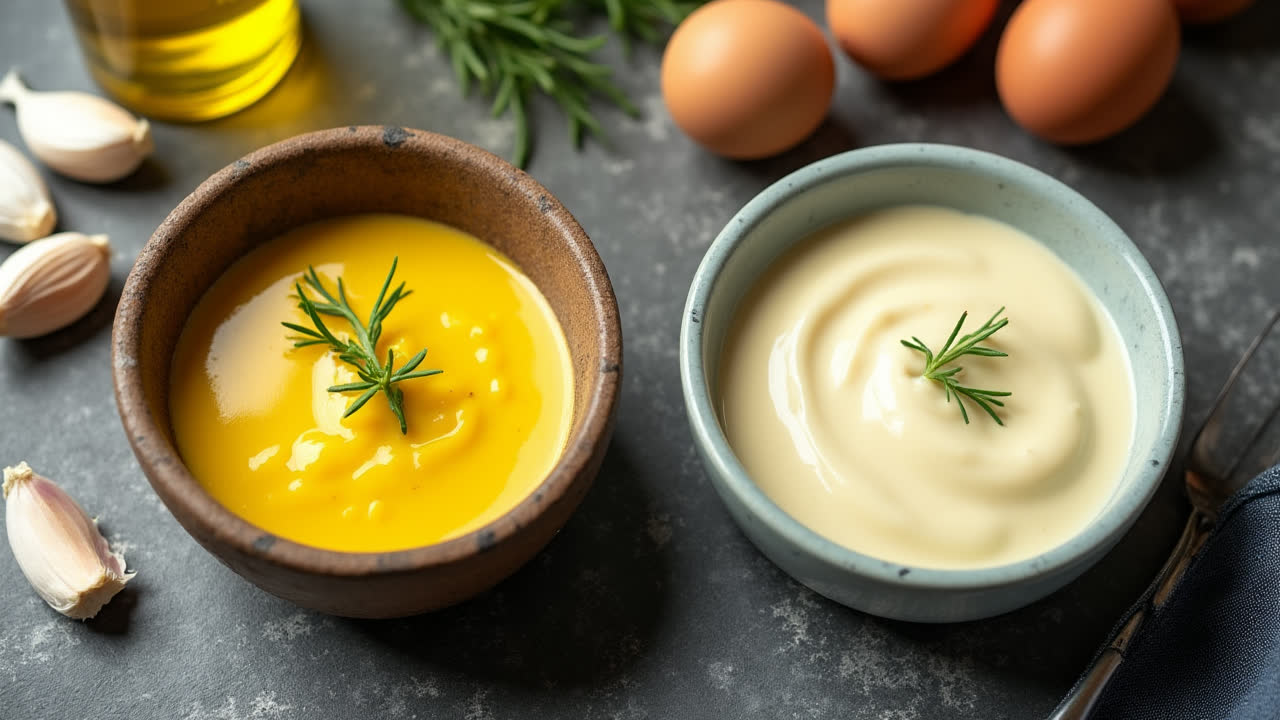
Aioli vs Mayonnaise: What's the Real Difference?
Ever wondered if aioli and mayonnaise are really the same thing? You're not alone! These two creamy condiments look remarkably similar, but trust me, they're as different as night and day. From their hearty ingredients to bold flavor profiles, understanding their differences can truly elevate your culinary game.
Look, I'll be honest with you – I used to think they were basically the same until I spent some time in a Mediterranean kitchen. That's when it hit me: these condiments have distinct personalities, and mixing them up is like confusing olive oil with vegetable oil when making a vinaigrette!
What Makes Aioli Unique?
Let's talk about traditional aioli for a moment. This isn't just any sauce – it's a time-honored emulsion that hails from the sunny coasts of Provence and Catalonia. The name itself tells you everything: "aioli" literally means "garlic oil." Fascinating, right?
Traditional aioli is made with just two main ingredients: garlic and extra virgin olive oil. That's it! But here's the catch – making it is quite the workout. I've tried it myself, and let me tell you, pounding garlic in a mortar and pestle while slowly drizzling olive oil is no joke. Your arm will feel it for days!
These days, many modern versions include egg yolk to help with emulsification. But even with this shortcut, authentic aioli still delivers that bold, unmistakable garlic punch that can clear a room – in the best way possible, of course!
Understanding Classic Mayonnaise
Mayonnaise, on the other hand, is like the reliable friend in the condiment world. It's been around forever, and honestly, it's pretty forgiving to make. The basic recipe calls for egg yolks, oil, and some acid (usually lemon juice or vinegar). No garlic in sight!
What's interesting about mayonnaise is how it welcomes lighter oils like canola or vegetable oil. These neutral oils give mayo its subtle flavor that doesn't overpower your food. I've made countless batches in my kitchen, and the secret is patience – add that oil drop by drop at first, or you'll end up with a sad, separated mess.
The beauty of mayonnaise lies in its versatility. It's the perfect base for tartar sauce, ranch dressing, or even aioli! Wait, did I just say that? Yes, many restaurants actually start with mayonnaise and add garlic to create what they call "aioli." Is it traditional? Not really. Does it taste good? Absolutely!
Complete Comparison Table
| Feature | Aioli | Mayonnaise |
|---|---|---|
| Origin | Mediterranean (Provence, Catalonia) | Global (origins debated) |
| Key Ingredients | Garlic, extra virgin olive oil, (optional egg yolk) | Egg yolks, neutral oil, acid (lemon/vinegar) |
| Flavor Profile | Strong garlic, robust olive oil taste | Neutral, tangy, creamy |
| Oil Type | Extra virgin olive oil | Vegetable or canola oil |
| Traditional Method | Mortar and pestle, physically demanding | Whisk or food processor, relatively easy |
| Common Uses | Fish, seafood, vegetables, French fries | Sandwiches, salads, dressings, dips |
| Texture | Thick, slightly grainy from garlic | Smooth, creamy, consistent |
| Dietary Considerations | Traditionally egg-free, keto-friendly | Contains eggs, high in calories |
Flavor Profiles: A World Apart
Here's where things get really interesting. Have you ever tasted the difference between these two side by side? It's mind-blowing! True aioli hits you with an unmistakable garlic punch – it's not shy about it. That extra virgin olive oil adds a peppery note that dances on your tongue.
Mayonnaise, by contrast, is like a gentle friend who doesn't demand attention. It's there to support other flavors, not steal the spotlight. This is why it's such a fantastic base for countless sauces and dressings.
I've had people tell me they don't like aioli, only to discover they've never actually tried real aioli! What they disliked was probably just garlic mayo. See the difference?
When to Use Each: The Practical Guide
Choosing between aioli and mayonnaise isn't just about taste – it's about pairing. I love spreading true aioli on grilled fish or serving it alongside roasted vegetables. It stands up beautifully to bold Mediterranean flavors.
Mayonnaise, though? It's my go-to for potato salad, chicken salad, or making a killer BLT. Its neutral flavor profile won't compete with delicate ingredients. Plus, let's be real – spreading aioli on a turkey sandwich might be a bit much for some people!
Something I've discovered through years of cooking: don't be afraid to experiment. I sometimes use a 50/50 blend for the best of both worlds. It's not traditional, but who's keeping score when it tastes amazing?
Making Your Own: Tips from Experience
Want to know a secret? Making traditional aioli is a bit of a workout, but it's worth every bit of effort. The satisfaction of seeing that creamy emulsion form right before your eyes is unmatched. Just remember: patience is key, and your arm will probably curse you tomorrow!
For mayonnaise, here's my foolproof method: start with room temperature ingredients, add oil almost painfully slowly at first, and keep whisking like your life depends on it. Once the emulsion starts forming, you can speed up a bit. But rush it early, and you'll have salad dressing soup!
Modern shortcuts exist for both – food processors and immersion blenders make life easier. But sometimes, the old ways produce something special that machines just can't replicate.
Cultural Context: More Than Just Condiments
These sauces tell stories about where they come from. Aioli speaks of Mediterranean markets, family recipes passed down through generations, and the importance of quality ingredients. In some parts of Provence, there's even an annual festival celebrating this humble sauce!
Mayonnaise, though its origins are debated (is it French? Spanish? Who knows?), has become a global staple. It's adapted to countless cuisines, from Japanese potato salad to American chicken salad. Talk about versatility!
I find it fascinating how these simple emulsions can carry so much cultural weight. They're not just sauces – they're connections to tradition, comfort food memories, and culinary heritage.
Frequently Asked Questions
Is all aioli actually garlic mayonnaise?
No, not all aioli is garlic mayonnaise. Traditional aioli from Provence and Catalonia contains only garlic, extra virgin olive oil, and salt. However, many modern restaurants serve a garlic-flavored mayonnaise that they call "aioli" for simplicity and practical reasons, as it's easier to make and has a smoother texture.
Can I substitute aioli for mayonnaise in recipes?
Generally, yes, but keep in mind the strong flavor differences. Traditional aioli's intense garlic flavor will dominate any dish, so it works best with Mediterranean dishes, grilled fish, or vegetables. For delicate sandwiches or potato salad, the garlic intensity might be overwhelming unless you enjoy bold flavors.
Which one is healthier?
Both are high in calories and fat, but traditional aioli might be slightly better if made without eggs. Extra virgin olive oil contains more beneficial monounsaturated fats and antioxidants than neutral oils used in mayonnaise. However, the portion size matters more than the type of sauce when considering health impacts.


Related Posts